


How to Design Custom Window Packaging That Sells
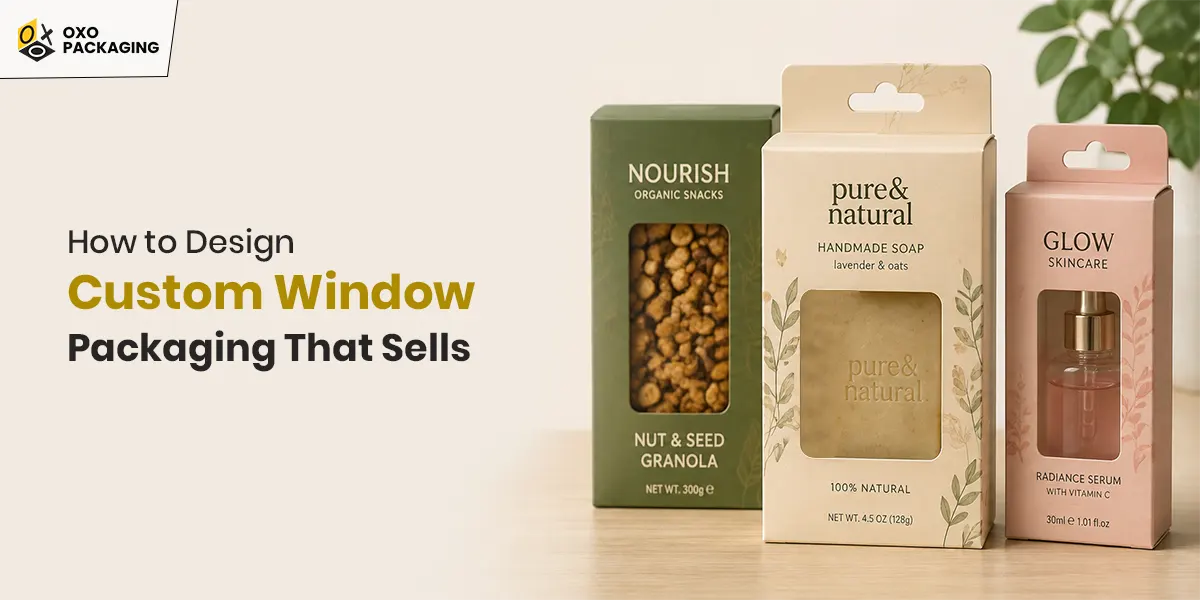
Packaging can influence what customers notice, trust, and ultimately buy. Custom window packaging is especially effective because it gives shoppers a clear view of the product before they make a purchase. This simple feature can build confidence while making the packaging more attractive on retail shelves.
However, adding a window alone does not guarantee better sales. The complete design needs to balance product visibility, branding, protection, and convenience. A well-planned package should communicate value within seconds and encourage customers to pick it up.
Here are practical ways to design custom window packaging that sells.
Start With Your Product
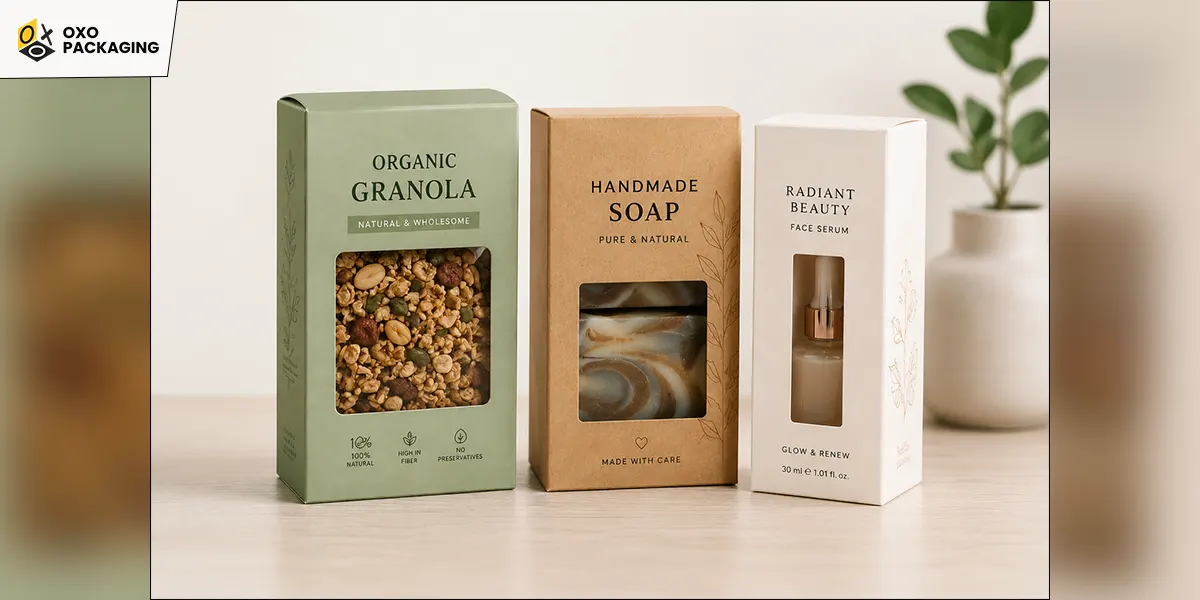
The product should guide the packaging design. Before choosing colours, graphics, or finishes, consider the product size, shape, weight, and presentation requirements.
For example: food products may need a sealed window to protect them from dust and handling. Handmade products may benefit from an open window that allows customers to feel and see the item. Cosmetics often need a smaller viewing area that highlights the product while keeping the rest of the package branded.
Select the Right Window Material
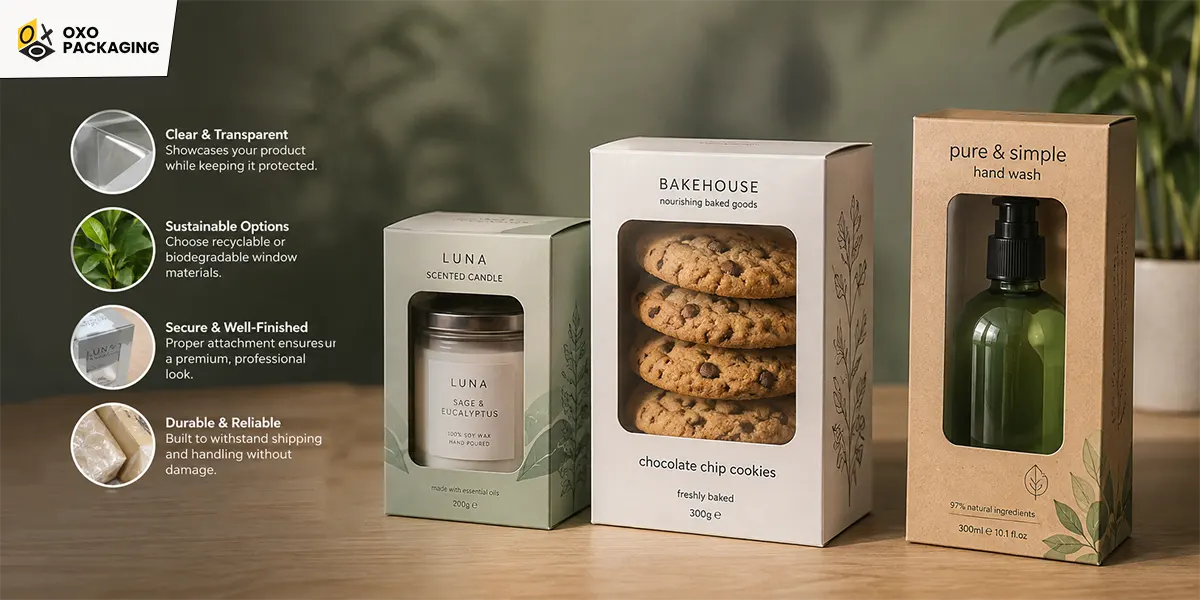
The window material should match your product and packaging requirements. Clear plastic film is widely used because it provides visibility while creating a barrier between the product and external contaminants.
For brands seeking more sustainable solutions, recyclable or biodegradable window materials may be worth considering where suitable options are available.
The window should also be securely attached to the package. Loose edges or poor finishing can make even an attractive design look inexpensive.
Always consider durability during shipping and handling. A beautiful window is not useful if it becomes scratched, detached, or damaged before reaching the customer.
Choose a Functional Box Style
The structure of the packaging matters just as much as its appearance. Select a box style that protects the product and makes opening easy.
Tuck-end boxes are practical for many lightweight products. Sleeve packaging can create a premium presentation. Rigid boxes work well for luxury items that require additional strength.
For products that need extra support, consider internal inserts. Inserts can prevent movement and keep the product positioned correctly behind the window.
The goal is to make the package attractive while ensuring it performs throughout storage, transportation, and retail handling.
Use High-Quality Printing
Professional printing can significantly improve the appearance of custom packaging. Sharp graphics and accurate colours make a brand appear more established and trustworthy.
Consider finishes based on the desired look. Matte finishes can provide a sophisticated appearance, while gloss can create a brighter and more vibrant surface. Foil stamping can highlight logos or important design elements.
Spot UV can also be used to create contrast by adding gloss to selected areas while leaving the rest of the package matte.
Use finishing techniques strategically. Too many effects can make the package look busy rather than premium.
Design For Shelf Impact
Your packaging needs to compete with surrounding products. Customers may see dozens of packages at once, so your design should be recognizable from a distance. Use a strong visual hierarchy. The logo, product name, window, and primary message should have clear positions.
Think about how several boxes will look together. If you sell multiple product varieties, create a consistent packaging system. Keep the structure and branding similar while using different colours or graphics to distinguish each product.
This approach makes your product range look organized and professional.
Make the Packaging Easy To Use
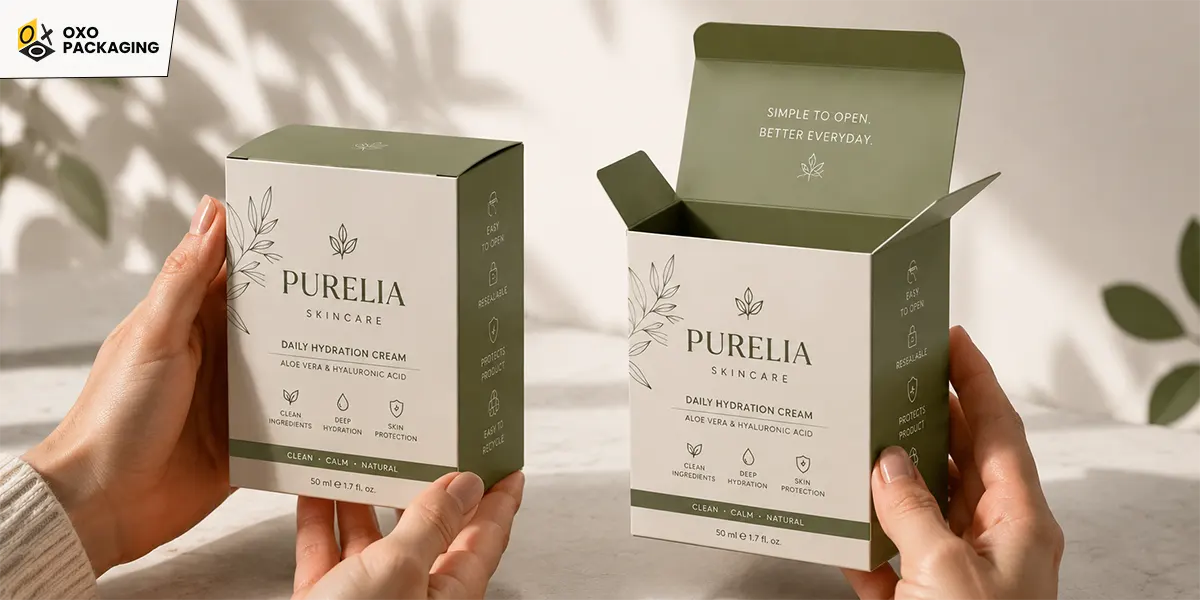
Good packaging should provide a positive experience after the purchase. Customers should be able to open it without unnecessary effort.
Consider resealable features where appropriate. Make sure the opening mechanism is intuitive and does not damage the product.
For retail products, the packaging should also be easy for staff to stack, display, and store. Practical packaging can reduce handling problems while improving the overall customer experience.
A package that looks attractive but is frustrating to open can negatively affect how customers perceive the brand.
Add a Clear Call to Action
Your packaging can continue marketing your brand after the customer has purchased the product. A simple call to action can encourage customers to engage further.
For example, you could include:
- Scan the QR code to learn more
- Visit our website
- Follow us on social media
- Explore our full collection
- Reorder online
Keep the message short and relevant. The purpose is to create another interaction with your brand rather than overcrowd the package.
Test the Design Before Production
Before ordering packaging in bulk, test the complete designs. Produce a physical prototype and inspect it from different angles.
You should also test the package during transportation. Shake, stack, and handle it as a customer or retailer might.
The tests can identify structural or visual problems before they become expensive production issues.
Common Mistakes To Avoid
Even attractive window packaging can lose its impact because of poor planning. Avoid making the window too small to showcase the product. At the same time, do not make it so large that branding and structural strength suffer.
Avoid excessive text, inconsistent colours, low-resolution artwork, and unnecessary decorative elements. Another common mistake is ignoring the product's protection requirements. Packaging should never sacrifice safety simply to create better visibility.
Finally, avoid copying competitors too closely. Your design should communicate what makes your brand and product different.
Conclusion:
Designing custom window packaging that actually sells goes beyond just adding a window. The best window packaging blends product visibility with branding, easy-to-read information, eye-catching colors, smart structure, and dependable protection.
Begin with the product and the customer. Think about what parts of the product need to be seen and design around that. Use high-quality printing and finishing techniques to boost your brand’s look. Keep things clean and simple no extra details that don’t add value.
Above all, test the packaging before you go into production. When the look, function, and brand message all match up, window packaging becomes more than a container. It draws attention, makes customers feel confident, and helps drive sales.
Custom window packaging features a transparent section that lets customers see the product inside without opening the package.
It improves product visibility, builds customer confidence, and makes products more attractive on retail shelves.
Yes, window packaging can be customized in different sizes and shapes to match your product and packaging design.
Yes, you can order which is suitable for businesses that need consistent branded packaging for retail, wholesale, or regular product distribution.







 Let's Call