


How to Package Handmade Soap for Sale: Complete Guide
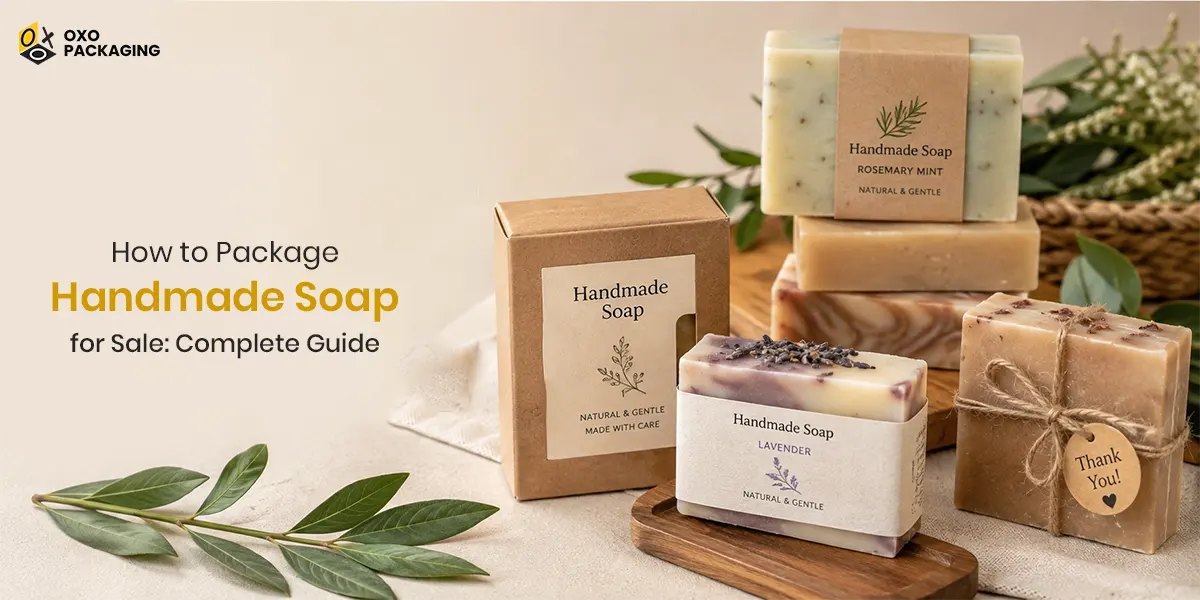
Selling handmade soap is not only about creating a quality product. The way you present and protect your soap can strongly influence how customers perceive your brand. Good packaging keeps soap clean, protected, and ready for retail shelves. It also helps communicate your brand values and product quality.
Whether you run a small business or a growing soap brand, choosing the right handmade soap packaging can make your products more appealing. This guide explains how to package handmade soap, which materials to use, and how to create packaging that looks professional and supports your sales.
Why Is Handmade Soap Packaging Important?
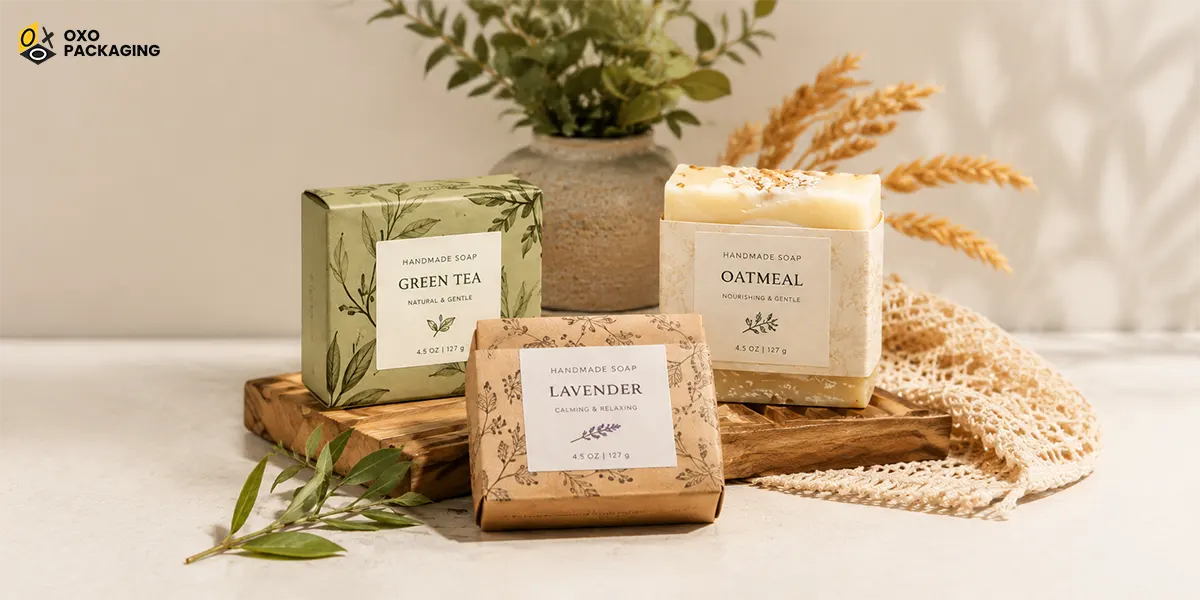
Packaging serves several purposes beyond making your soap look attractive. It protects the bar from dust, moisture, scratches, and handling during storage and transport. It also gives customers important information about the product.
- Well-designed packaging can help your soap:
- Look professional on retail shelves
- Communicate your brand identity
- Protect the soap during shipping
- Provide product and ingredient information
- Create a memorable unboxing experience
- Support premium pricing
- Encourage repeat purchases
For handmade products, packaging can also tell the story behind your brand. Natural colours, kraft materials, simple graphics, and botanical designs can reinforce an organic or artisanal image.
How to Package Handmade Soap For Sale
The right packaging depends on your soap type, brand style, budget, and sales channel. However, most successful packaging follows a simple process.
1. Choose the Right Soap Packaging Materials
Start by selecting materials that offer enough protection without hiding the character of your product. Common soap packaging materials include kraft paper, cardboard, recycled paper, tissue paper, glassine paper, and recyclable films.
Cardboard is a popular choice because it is lightweight yet strong. Kraft is another excellent option for brands that want a natural appearance.
Consider these factors when choosing materials:
- Product protection
- Moisture resistance
- Print quality
- Sustainability
- Cost
- Storage requirements
- Shipping conditions
2. Select a Suitable Packaging Style
There are several packaging styles available for handmade soap. Your choice should balance protection, presentation, and convenience.
Soap sleeves
Soap sleeves cover the center of the bar while leaving parts of the soap visible. They use less material than fully enclosed boxes and provide space for branding and product details.
Soap boxes
Boxes provide stronger protection and offer more space for printing. You can include your logo, ingredients, scent information, usage instructions, and other details.
Wrapping Paper
Paper wrapping creates a simple handmade appearance. It is particularly suitable for artisan soaps sold at markets, boutiques, and craft fairs.
3. Focus on Soap Packaging Design
Your soap packaging design should reflect the product inside. Avoid adding too many design elements that make the package look crowded. Instead, focus on a clear visual hierarchy. Your brand name and soap type should be easy to identify. Secondary information can appear in smaller text.
Consider using:
- Your brand logo
- A consistent palette
- Simple illustration
- Botanical graphics
- Clear typography
- Product scent or variant
- Ingredient information
- Net weight
- Usage instructions
For example, lavender soap could use soft botanical artwork, while citrus soap could feature bright, fresh graphics.
4. Try Attractive Soap Packaging Ideas
Packaging does not have to be complicated to stand out. Some of the most attractive soap packaging ideas rely on simple materials and thoughtful details. You could use a kraft sleeve with a custom logo stamp on custom soap boxes. Another option is a printed cardboard box with a small window.
You can also add textured paper, decorative labels, or a branded sticker. Other soap packaging ideas include
- Kraft boxes with custom labels
- Botanical-themed boxes
- Belly bands with brand information
- Recyclable paper wraps
- Die-cut window packaging
- Seasonal packaging
- Gift-ready soap boxes
Choose an approach that can be repeated across your product range. Consistency helps customers recognise your brand.
5. Explore Eco-friendly Soap Packaging
Sustainability is increasingly important to customers. If your soaps are marketed as natural or handmade, your packaging should ideally support the same positioning. Eco-friendly soap packaging can include recycled cardboard, kraft paper, recyclable paperboard, and other responsibly sourced materials.
Avoid unnecessary layers and excessive plastic where practical. Using a right-sized box can also reduce material waste and shipping volume. Sustainable packaging can become part of your brand message. You can communicate information about recyclable materials or responsible packaging choices through a small printed statement.
6. Consider the Best Packaging for Handmade Soap
There is no single packaging for handmade soap because different businesses have different requirements.
For farmers' markets and craft fairs, simple paper wraps or sleeves can be cost-effective. For online orders, stronger boxes can provide better protection. For premium retail products, high-quality printed boxes can create a more luxurious appearance.
Consider this comparison:
|
Packaging Type |
Best For |
Main Benefit |
|
Paper wrap |
Markets and artisan sales |
Simple and affordable |
|
Kraft sleeve |
Handmade brands |
Natural appearance |
|
Cardboard box |
Retail and shipping |
Strong protection |
|
Window box |
Retail displays |
Product visibility |
|
Premium box |
Luxury soaps |
High-end presentation |
Make Packaging Handmade Soap For Sale More Professional
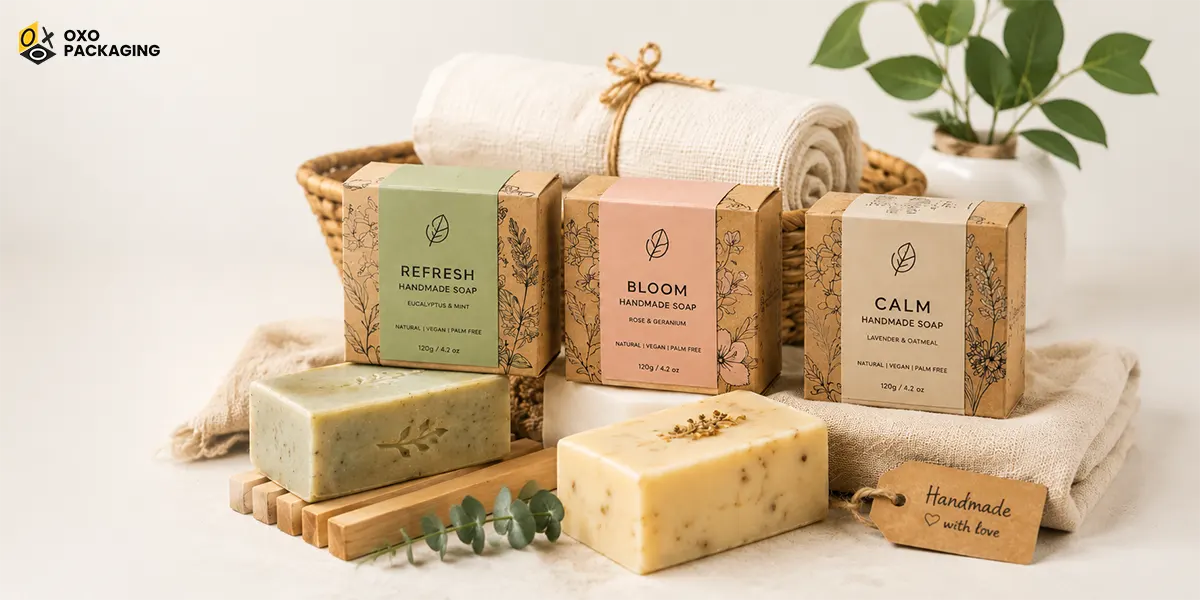
When packaging handmade soap for sale, think beyond the individual bar. Consider how the package will look in a display, shipping box, or customer's home.
Use consistent packaging across different scents and varieties. For example, maintain the same box structure and logo placement while changing colours or illustrations for each fragrance.
You can also create seasonal packaging for Christmas, Valentine's Day, weddings, or other occasions. This gives customers another reason to purchase your soaps as gifts.
Conclusion:
Learning how to package soap is a key step in building a successful soap business. Good packaging keeps the soap safe, shares details, and helps customers recognize your brand.
There are choices available. From basic kraft paper wraps to fancy printed boxes. Pick packaging that fits your soap, your customers, your budget, and your brand style.
Above all, pay attention to quality and consistency. How well it works in real life. The right packaging can make a plain handmade soap bar look professional and appealing. It turns a product into something people feel good about buying and giving as a gift.
The best packaging protects the soap while presenting your brand professionally. Kraft sleeves, cardboard boxes, and paper wraps are popular choices.
Wrap or box each soap bar securely using suitable paper, kraft, or cardboard. Add your brand name, product details, ingredients, and other required information.
Yes. DIY soap packaging can work well for small businesses and craft markets. Use neat cuts, consistent branding, and durable materials for a professional finish.
Kraft paper wraps, printed belly bands, paper sleeves, and branded stickers are simple options that are easy to customize and assemble.
Depending on your applicable labeling requirements, packaging can include the brand name, soap type, ingredients, scent or variant, net weight, usage instructions, and other required product information.







 Let's Call