customers will love









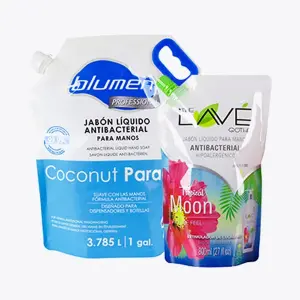
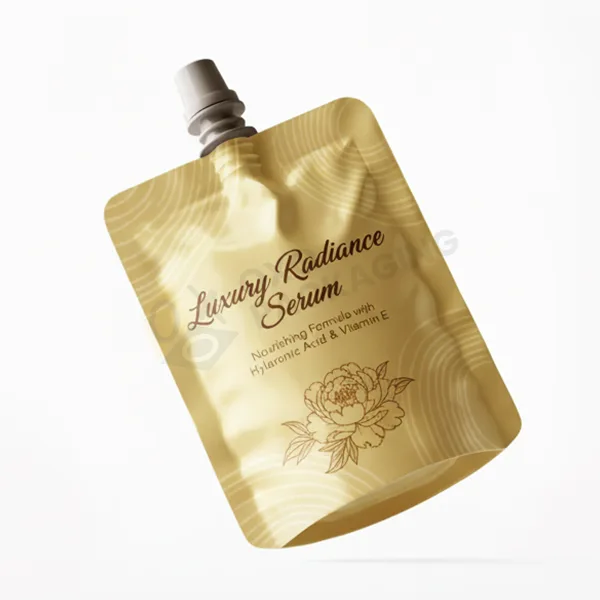
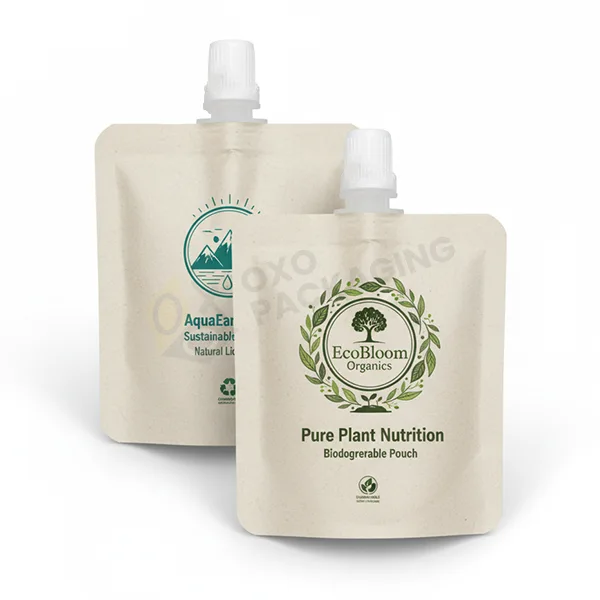
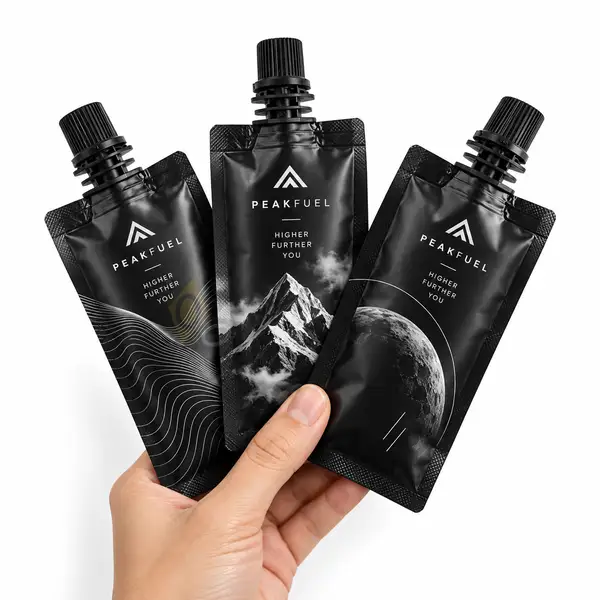
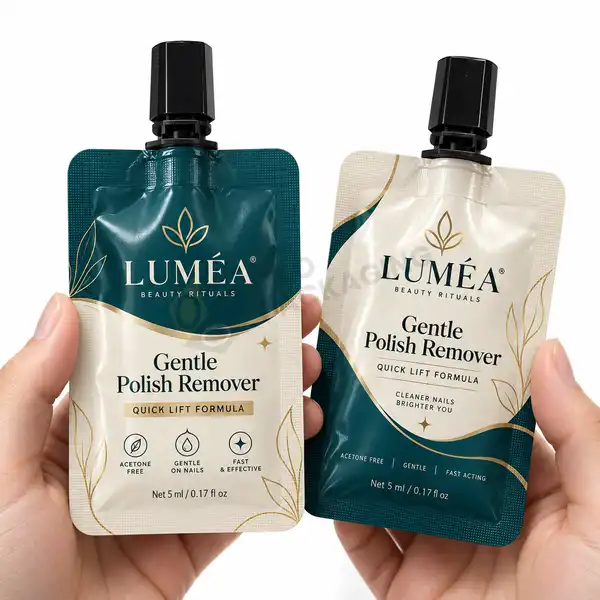
A spouted pouch is a flexible, stand-up packaging bag with a heat-sealed spout and cap, used to package, pour, and reseal liquid or semi-liquid products such as beverages, sauces, purees, and liquid personal care items. Compared to a bottle or jar, it uses less material, stands upright without secondary packaging, and offers a larger printable surface for branding.
Spouted pouches are flexible packaging bags made with an integrated spout and cap for holding and dispensing liquids, purees, sauces, and other pourable products. The spout is heat-sealed into the pouch during manufacturing, giving the package a built-in pour point and reclosable cap without the need for a separate bottle or jar.
Brands that pack liquid or semi-liquid products often run into the same set of problems with rigid containers: higher material costs, more warehouse and shelf space per unit, breakage during transit, and packaging that doesn't stand out on a crowded shelf. A custom spout pouch addresses these issues directly. It stands upright on its own, uses less material per unit of product than a bottle or jar, and gives the front and back panels open space for branding and product information.
Spout pouches are a fit for any product that needs to be poured, squeezed, or dispensed in controlled amounts and reclosed for later use. Common buyers include:
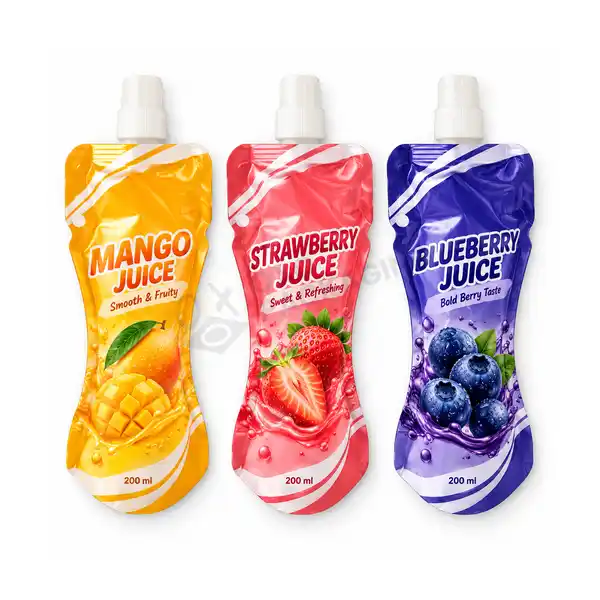
Stand-up format. A gusseted base lets the pouch stand upright on a shelf or counter without a secondary display or tray, which is one of the reasons stand up pouches with spout packaging have become common in beverage and sauce aisles.
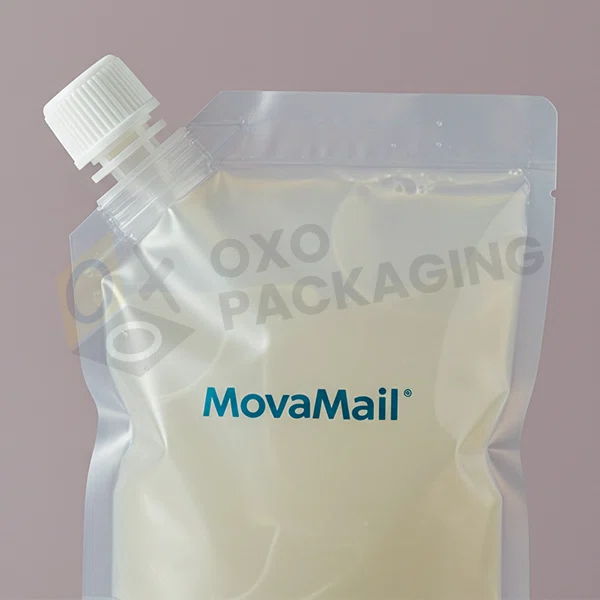
Integrated spout and cap. The spout is welded into the top or corner seal of the pouch, giving the product a controlled pour point. Caps can be flip-top, screw-on, or tamper-evident depending on the spout style selected.
Reclosable. Unlike a single-use sachet, a spouted pouch can be opened, poured, and resealed multiple times, which matters for products that aren't used in one sitting.
Efficient use of material. Because the pouch is flexible film rather than rigid plastic or glass, less packaging material is needed to hold the same volume of product compared to a bottle or jar of similar capacity.
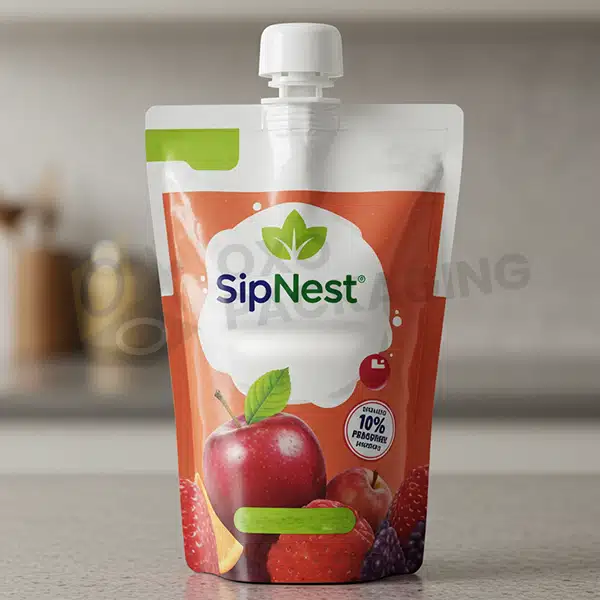
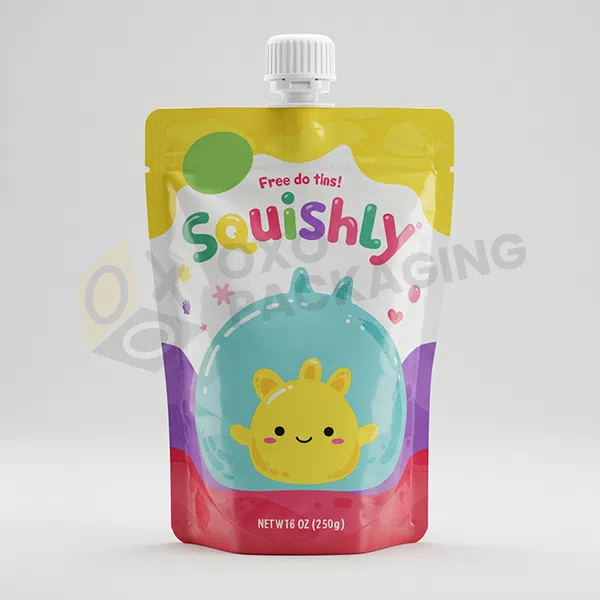
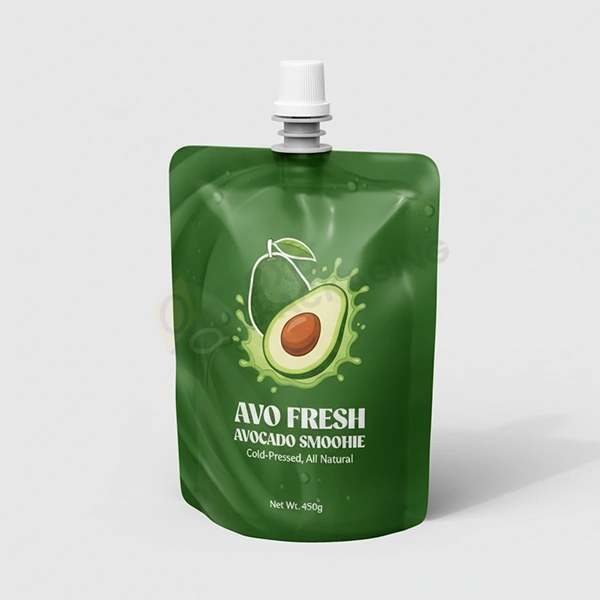
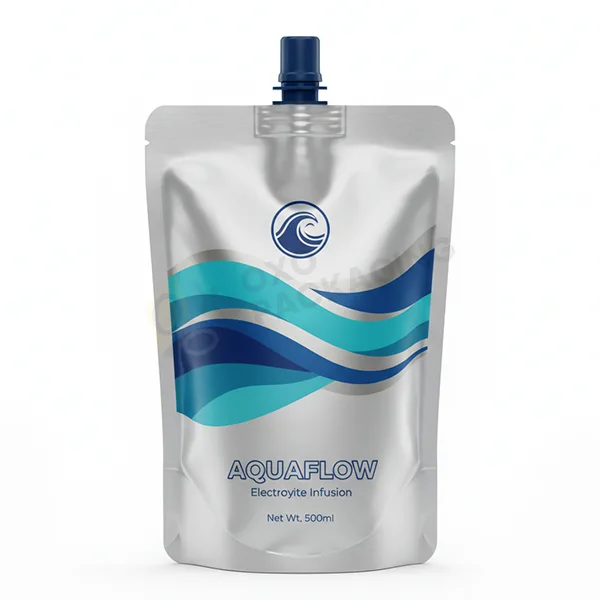
Large graphic area. The front and back panels of a spouted pouch offer continuous surface area for full-color printing, which supports shelf branding, ingredient panels, and regulatory copy without wrapping around a curved bottle surface.
Lightweight shipping profile. Empty pouches ship and store flat or nested, taking up less space than pre-formed rigid containers before they're filled.
Spouted pouches can help maintain product quality and flavour when the pouch material is matched to the product's barrier needs. Layers that limit oxygen and moisture exposure can help preserve the taste, aroma, and consistency of suitable liquids and semi-liquid products.
For products sensitive to light, an opaque or foil-based structure may provide additional protection. Correct filling, reliable heat seals, suitable storage conditions, and compatible materials are also essential to help prevent leakage or quality loss.
|
Factor |
Spouted Pouch |
Bottle/Jar |
|
Material use per fill volume |
Lower |
Higher |
|
Stands upright unaided |
Yes (gusseted base) |
Yes |
|
Shipping profile (empty) |
Flat/nested |
Pre-formed, more space |
|
Reclosable |
Yes, with cap |
Yes, with cap |
|
Print/graphic surface |
Full front and back panel |
Curved surface, wraparound label |
|
Breakage risk in transit |
Lower (flexible film) |
Higher (glass/rigid plastic) |
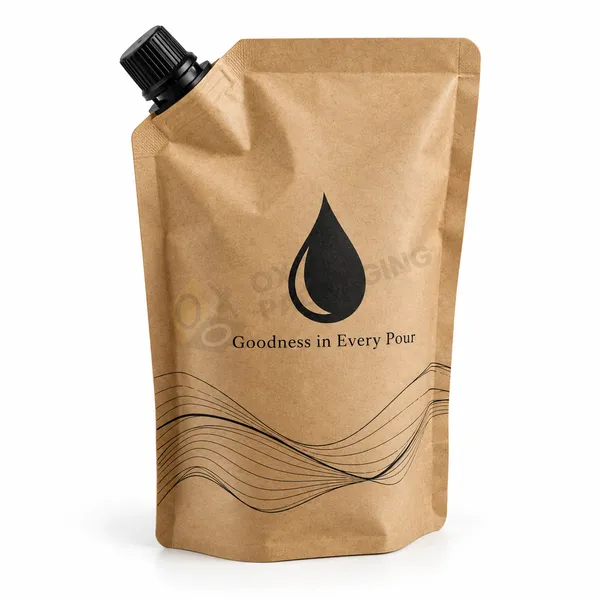
Spouted pouches are made from layered flexible films, with the material structure selected based on the product being packed, the required barrier properties, and the intended shelf life. Structures often combine PET, aluminum foil, and polyethylene layers, along with mono-material options made for recyclable or environmentally friendly packaging programs. The right material combination depends on whether the product needs an oxygen barrier, moisture barrier, or resistance to oils and acids.
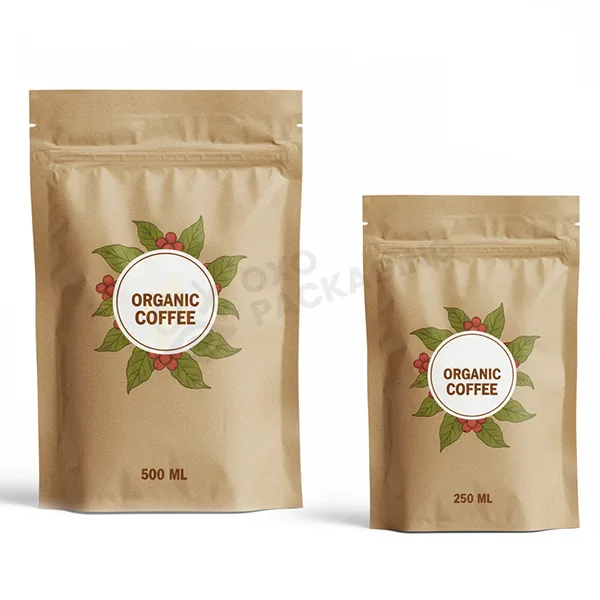
Spout pouches are produced across a range of fill volumes to match different product categories, from single-serve pouches to larger format pouches used for bulk liquids or refill products. Size is usually specified by fill volume and pouch dimensions based on the filling equipment being used.
Spout placement and closure style affect both usability and shelf presentation:
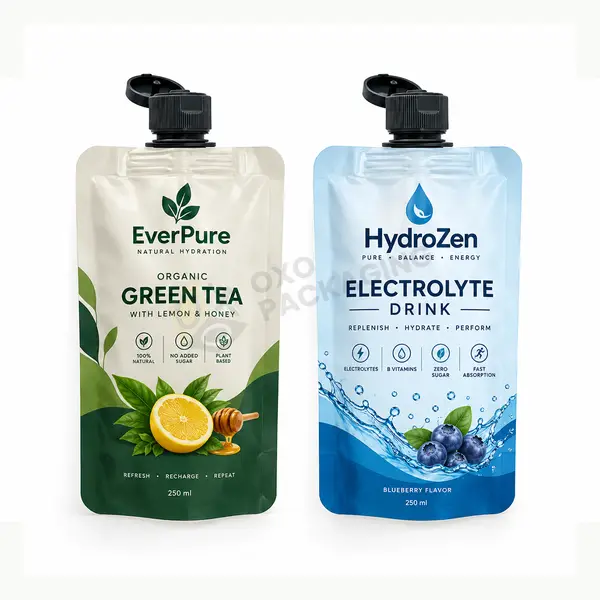
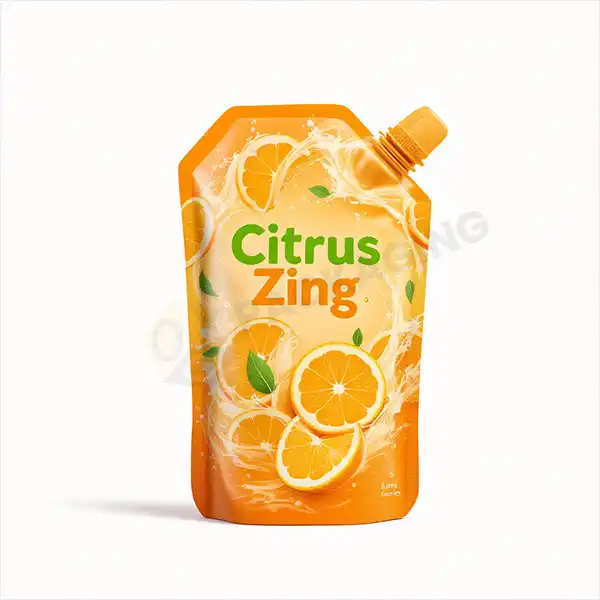
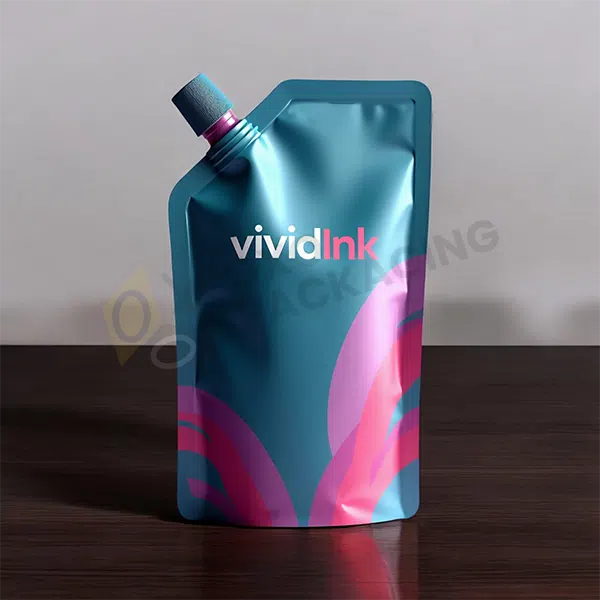
Spouted pouches can be customized with different spout positions, diameters, and cap styles to suit the product and pouring needs. Top-mounted spouts are often used for beverages, while corner spouts can make controlled pouring easier for sauces and purees.
Screw caps and flip-top closures support repeated use, and tamper-evident options can help show whether a package has been opened. For larger pouches, handle options may improve carrying and pouring convenience where the pouch design and supplier's manufacturing capabilities allow them. Confirm spout, cap, and handle choices against the product's viscosity, fill volume, and filling equipment.
Built-in spouts are available in variations designed for different dispensing needs:
The best option depends on product thickness, required flow rate, cap compatibility, consumer use, and filling-line requirements. Confirm the spout dimensions and seal design with the packaging supplier before production.
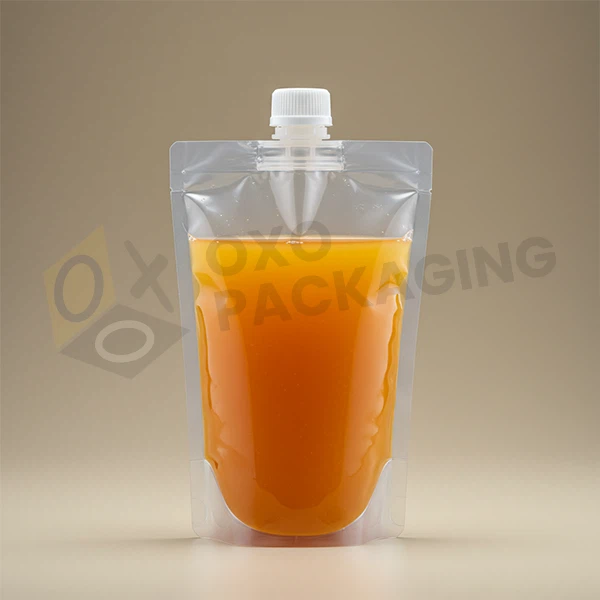
Pouches can be produced in matte or gloss film finishes, with options for clear windows to show the product inside.
Custom spout pouches are generally printed using rotogravure or digital printing, depending on order requirements and design complexity. Customization options include:
Working with a packaging supplier on custom spout pouches usually starts with confirming the product being filled, the required barrier properties, the fill volume, and the filling equipment compatibility, since spout diameter and pouch dimensions need to match the filler.
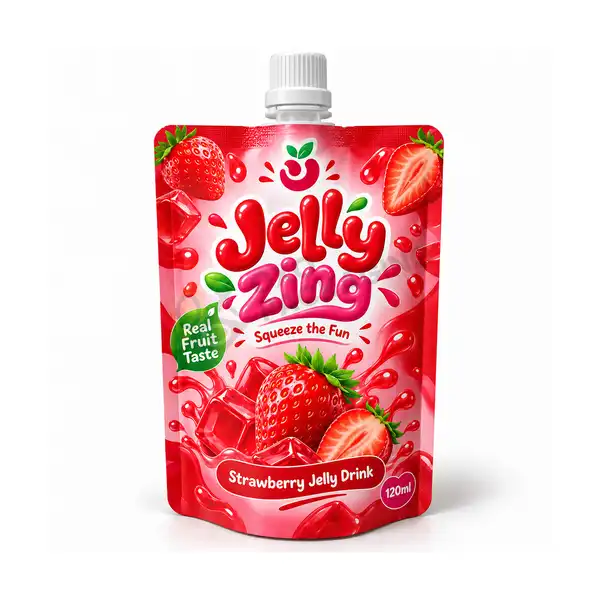
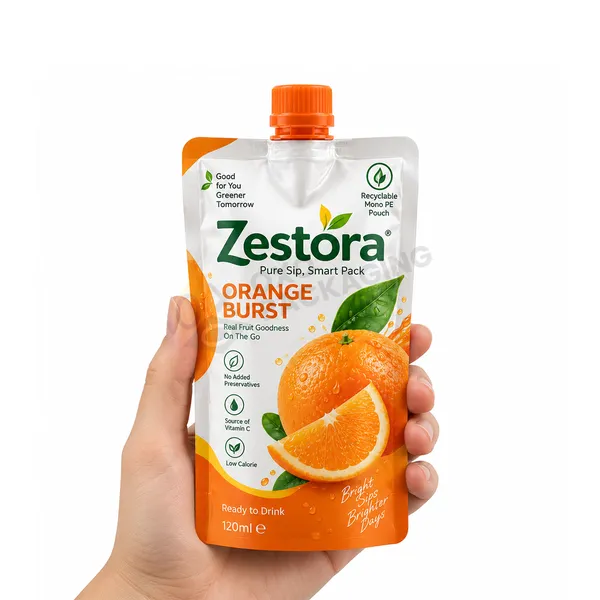
Beverages. Juice, smoothies, sports drinks, and other ready-to-drink products use spouted pouches for their pour control and shelf stand-up format.
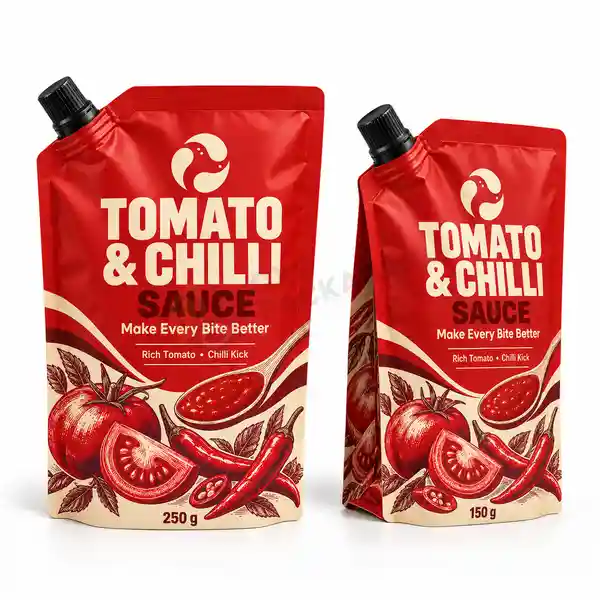
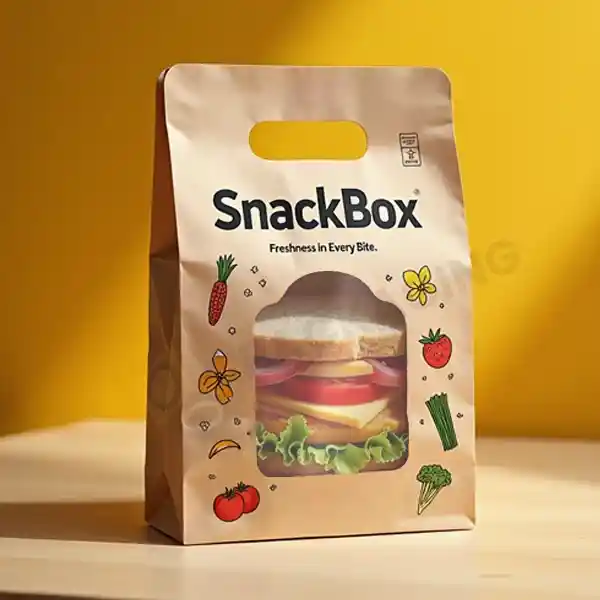
Food and condiments. Sauces, syrups, purees, dressings, and baby food are commonly packed in spout pouches because the reclosable cap supports multiple servings from one package. Brands packing dry or solid food items alongside liquid lines often pair spout pouches with custom food boxes for a consistent shelf presentation.
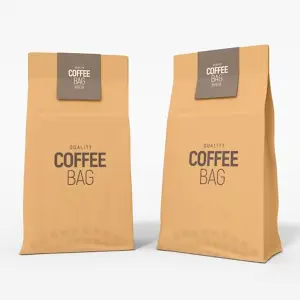
Coffee and specialty beverages. Liquid coffee concentrates, cold brew, and flavored syrups are packed in spout pouches for controlled pouring and resealing; brands running a full coffee line often pair this with custom coffee packaging for bagged or ground product.
Frozen and dessert products. Liquid bases for ice cream, sorbet, and dessert toppings are packed in spout pouches; brands with a broader frozen dessert line may also need custom ice cream packaging for the finished retail product.
Personal care. Liquid soap, shampoo, lotion, and refill formats for personal care brands use spout pouches to reduce packaging weight compared to bottles.
Household and cleaning products. Concentrated cleaning liquids and refill pouches use spout packaging to cut down on rigid plastic use per fill.
Industrial and specialty liquids. Adhesives, lubricants, and other non-consumer liquids are packed in spout pouches where a pourable, sealed container is needed without full rigid packaging.
Confectionery. Liquid chocolate, caramel, and dessert sauces are packed in spout pouches for foodservice and retail use; brands also selling solid confectionery items often need custom chocolate packaging to match.
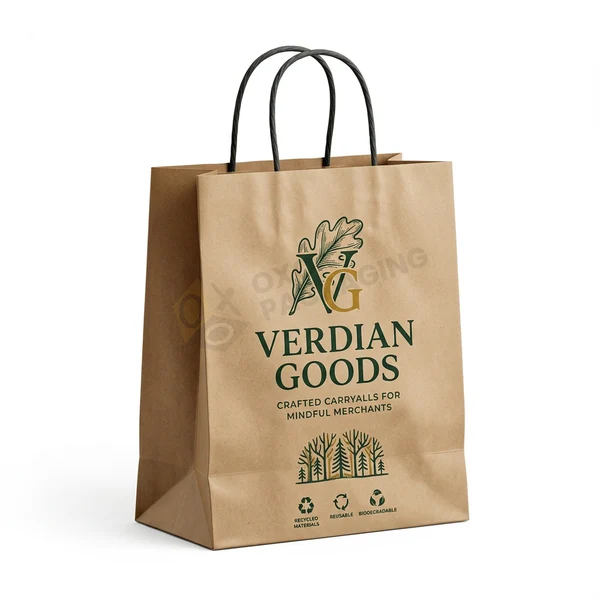
Brands running a full retail line alongside their spout pouches often need supporting packaging and labeling, including labels and stickers for lot codes and branding, or custom paper bags for retail carry-out and gifting.
Selecting the right spout pouch comes down to a few practical decisions:
If any of these details aren't clear yet, a packaging supplier can help work through the product specifications before finalizing pouch dimensions and film structure.
If you're evaluating custom spouted pouches for a liquid or semi-liquid product, the next step is to share your product details, target fill volume, and any barrier or print requirements you already have in mind. Contact OXO Packaging to request a quote or talk through spout type, film structure, and sizing for your specific application.Call (510) 500-9533 or email sales@oxopackaging.com to request pricing or start your custom spout pouch project.
Yes. We can provide samples or proofs so you can review film, print quality, and spout function before committing to a production run. Reach out to our team to request one.
Film structure selection depends on your product's chemistry. If your product is high in acidity or oil content, we'll help you select a film structure with barrier layers suited to it. Share your product details with our team and we'll recommend the right structure.
Spout placement and seal strength are built into the pouch construction to hold up under normal filling, palletizing, and shipping conditions. Let us know how your pouch will be filled and shipped, and we'll factor that into the spout and seal design.
We build spouted pouches from layered flexible films, often combining materials such as PET, foil, and polyethylene. The exact structure is chosen with you based on your product's barrier and shelf-life requirements.
Spouted pouches can be recycled with ease and do not release any harmful chemicals during the recycling process.
Leakage may occur if the spout-to-film seal is weak, the pouch is damaged, the cap isn't closed properly, or the spout and pouch structure isn't suited to the product or filling process. Excessive filling pressure, rough handling, and incompatible materials can also contribute.
Yes, custom spouted pouches can typically be printed with brand logos, product names, colors, product imagery, and required product information. Digital or rotogravure printing may be available depending on order quantity and design needs.

We collaborate with people and brands.
lets build something great together.


We collaborate with people and brands.
lets build something great together.
Sign up for exclusive offers and updates!
Contact Us
Copyright 2026. www.oxopackaging.com Project By Just Hub LLC. All rights reserved.










 Let's Call
Rachel has been a delight to work with from start to finish, responding to my many questions and requests. She worked well with my graphic designer to...