customers will love









Electronics fail in transit for three reasons: the device moves inside the box, something presses on a port or a screen, or static reaches a circuit board. The right box style is the one that solves your product's version of those three problems without paying for structure you do not need.
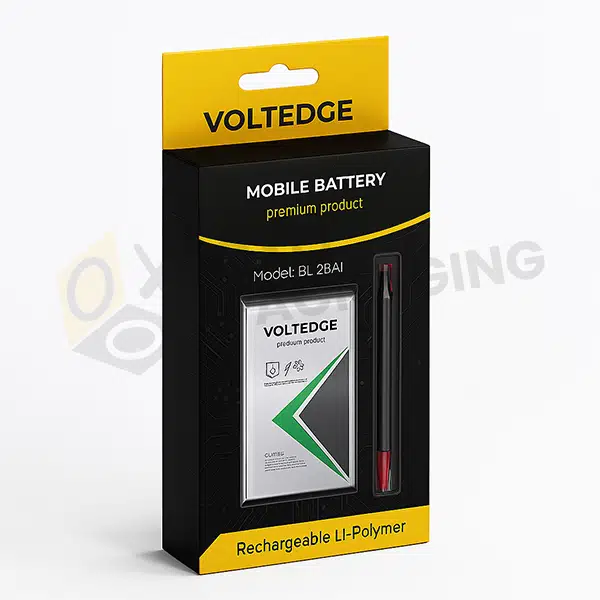
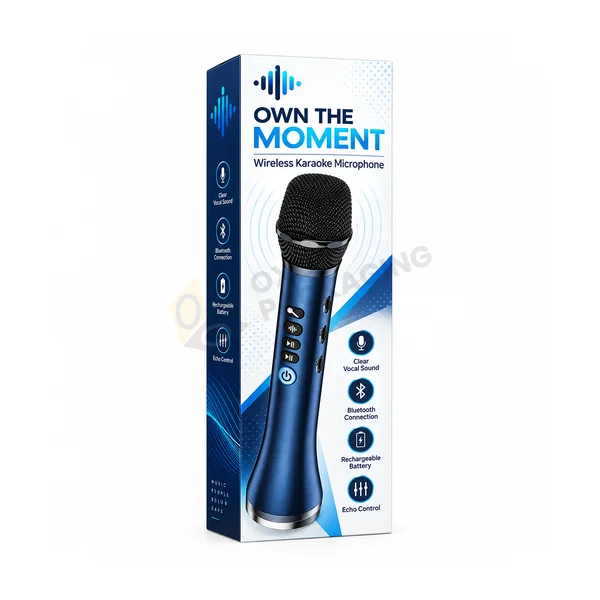
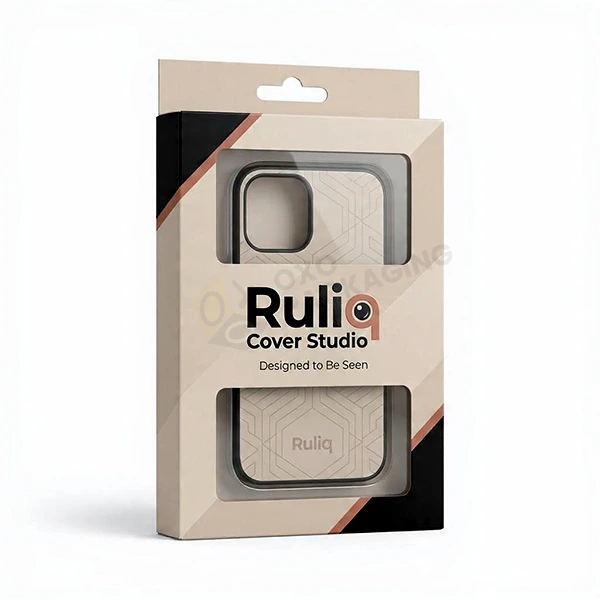
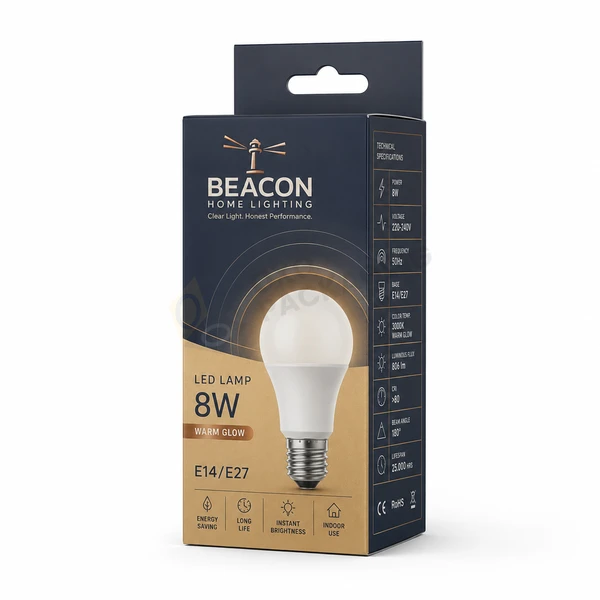
Chargers, cables, earbuds, USB drives, phone cases and adapters usually ship in a 14–18pt folding carton, often with a hang tab for peg display. Add a window if the buyer needs to see the colour; skip it if the product is black plastic that looks the same as every other black plastic. The carton is cheap to print in colour and stacks flat until you fill it, which matters when you are packing 5,000 units.
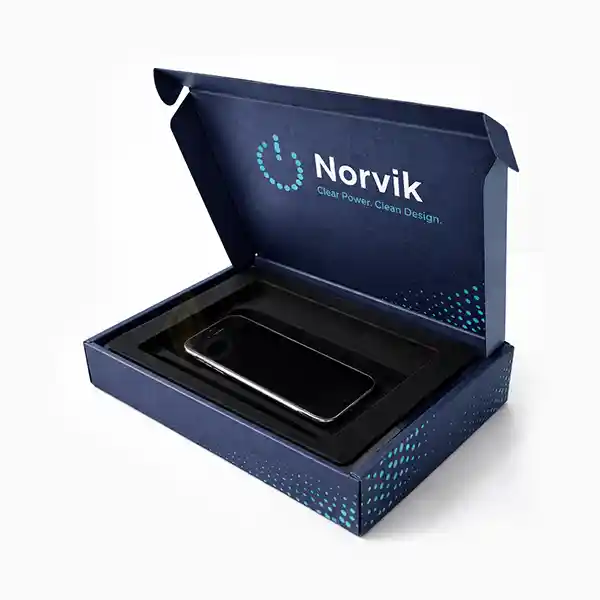
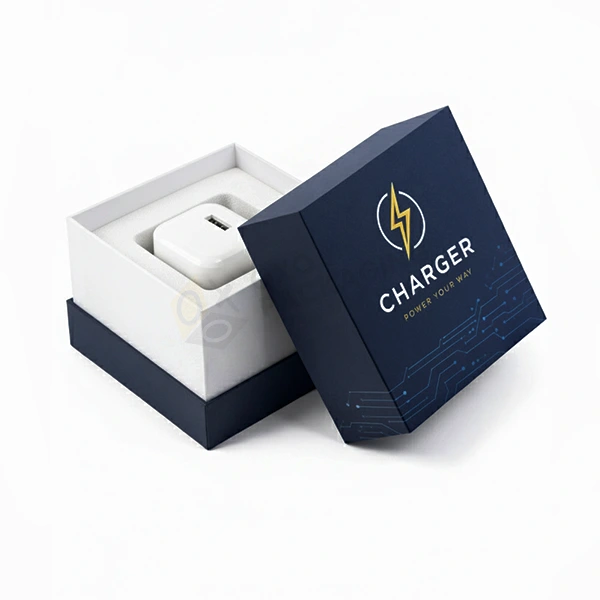
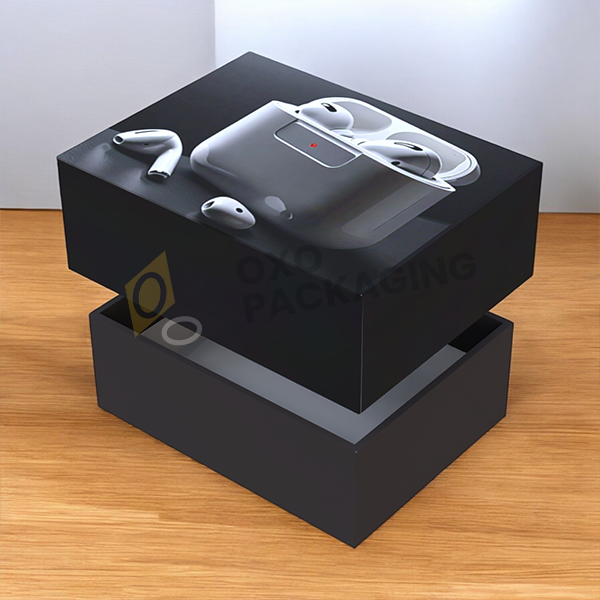
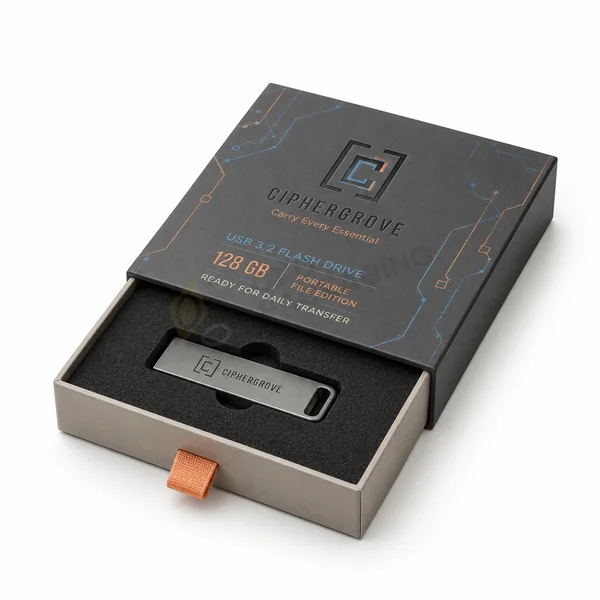
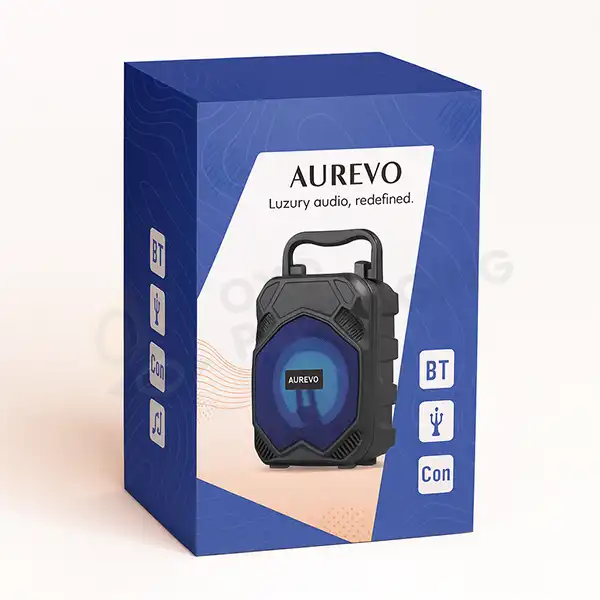
Headphones, smartwatches, speakers and anything that sells above about $80 tends to use a rigid box: a 1.5–2 mm greyboard core wrapped in printed paper. The lid lifts off cleanly, the device sits in a shaped tray and the whole thing photographs well. Rigid costs three to five times a folding carton, so it earns its place where the box is part of the product experience, not where the box goes straight into the bin.
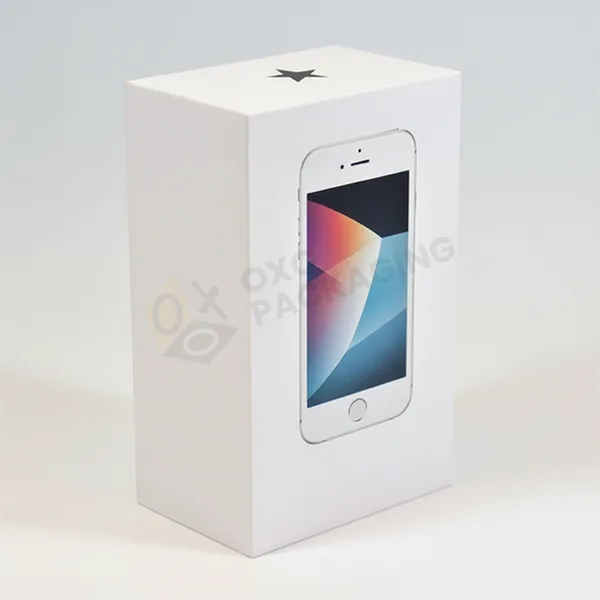
A printed sleeve sliding over a tray holds phone-sized devices with a single pull and keeps the tray's insert in place. Good for phones, tablets, e-readers and anything with a glass face that should not be shaken loose by a lid coming off.
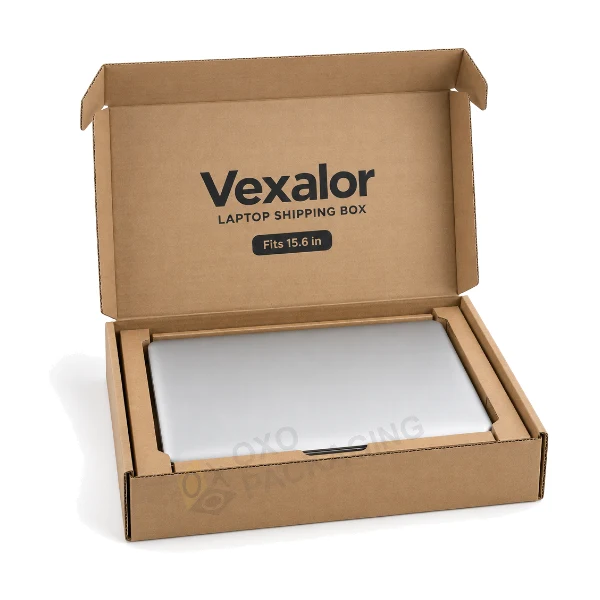
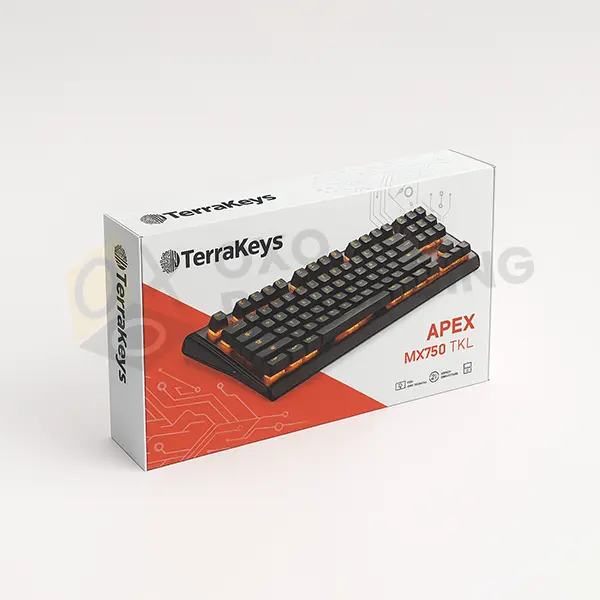
If the product ships direct to the customer with no outer carton, use an E-flute or B-flute corrugated mailer with the insert built in. E-flute (about 1.5 mm) prints almost as cleanly as paperboard; B-flute (about 3 mm) takes a heavier drop. Keyboards, routers, power banks and small appliances usually go this way.
Counter and hanging displays for cables, chargers and accessories sold at checkout see our retail display boxes for the formats that work on a counter.
Not sure which applies? Send us the device dimensions and its weight and we will recommend a structure and send a blank sample before you commit to print.
The box stops the outside world; the insert stops the device moving. Choosing the insert is where most electronics packaging goes right or wrong.
1. Die-Cut Foam: Closed-cell PE or EVA foam cut to the device's outline, usually 10–30 mm thick, with finger cut-outs so the product lifts out. Best for anything with an irregular shape, a delicate antenna or a lens. Foam takes repeated drops without deforming, which is why it is the default for cameras, drones and audio gear. Our custom foam inserts are cut to your CAD or to a sample you send us.
2. Molded Pulp: Recycled fibre moulded into a tray with pockets for the device, the charger and the manual. It is what most phone and tablet packaging uses now, because it is curbside-recyclable, cheap at volume and holds tolerances tight enough for a phone to sit flush. It is less forgiving than foam on a hard drop and needs a mould, so it suits runs from about 5,000 units. See molded pulp packaging.
3. Paperboard Platforms and Cardboard Dividers: A folded 18–24pt paperboard platform holds a flat device (a tablet, a keyboard) above the box floor and gives a cavity for accessories underneath. Cardboard dividers separate a device from its cable so the cable cannot scratch a screen. Lowest cost, fully recyclable, fine for products under about 500 g.
4. ESD-Safe Options: For bare boards, memory, sensors and anything sold to an assembler rather than a consumer, static matters more than drops. Pink anti-static PE foam and conductive black foam both dissipate charge; the board should not sit against a plain paperboard surface. For consumer devices in a sealed housing, standard packaging is fine the housing already protects the electronics.
5. Fit Rule of Thumb: The cavity should be the device's outline plus 1–2 mm; the insert should sit 3–5 mm below the box lid so the lid compresses the insert slightly and nothing rattles. If you can hear the product when you shake the sealed box, the insert is wrong.
|
Material |
Thickness / weight |
Best for |
Notes |
|
SBS paperboard (C1S) |
14pt (≈270 gsm), 16pt (≈300 gsm), 18pt (≈350 gsm), 24pt (≈450 gsm) |
Folding cartons for accessories, sleeves, hang-tab cartons |
Bright white, best colour reproduction; 14pt for light accessories, 18–24pt for anything over ~300 g |
|
Kraft paperboard |
18pt, 24pt |
Natural-look accessory cartons, eco-positioned brands |
Prints darker; keep artwork to one or two colours |
|
Corrugated E-flute |
≈1.5 mm, 32 ECT |
Printed mailers for devices under ~1 kg |
Prints almost like paperboard; standard for direct-to-consumer electronics |
|
Corrugated B-flute |
≈3 mm, 32–44 ECT |
Shippers for keyboards, small appliances, multi-device kits |
Heavier drop protection; coarser print surface |
|
Rigid greyboard, paper-wrapped |
1.5 mm, 2 mm |
Headphones, watches, speakers, premium phones |
Does not fold flat; ships assembled, so factor freight |
|
Device |
Typical box (L × W × H, inches) |
Style |
Insert |
|
Earbuds / small charger |
3 × 3 × 1.5 |
Folding carton, hang tab |
Paperboard platform |
|
Phone case / cable |
7 × 3.5 × 0.75 |
Folding carton with window |
None or paperboard |
|
Smartphone |
6.5 × 3.75 × 2 |
Sleeve + tray or lift-off rigid |
Molded pulp |
|
Smartwatch |
4 × 4 × 2.5 |
Rigid two-piece |
Die-cut foam |
|
Over-ear headphones |
8.5 × 7 × 3.5 |
Rigid lift-off |
Die-cut foam |
|
Tablet / e-reader |
10.5 × 7.5 × 1.5 |
Sleeve + tray |
Molded pulp |
|
Bluetooth speaker |
8 × 4 × 4 |
Rigid or E-flute mailer |
Die-cut foam |
|
Keyboard |
18 × 7 × 2 |
E-flute or B-flute mailer |
Paperboard platform + divider |
|
Power bank |
6 × 3.5 × 1.5 |
Folding carton |
Paperboard |
Measure the device itself, not its old packaging. Add the insert allowance from the fit rule above, then send us the numbers or send the device and we will measure it.
Partnering with OXO Packaging helps you unlock unlimited customization options for your electronic box packaging. You can get custom shapes & sizes of these boxes according to your preferences. Choosing the right dimensions and style will help you fit your products snugly inside the box and make your items presentable on the retail shelves.
You can also get exceptional printing options from us. For high-quality results with great attention to detail, you can benefit from screen printing, offset, or digital techniques. Also, you can get remarkable finishing choices like matte or gloss lamination to enhance the visual appeal of your custom boxes.
We also offer holographic finishing that resonates with the essence of your electronic items due to the reflective surface. You can also choose ESD control lamination if you want to protect your electronic items from static discharge.
High-end and durable packaging for electrical appliances and other items comes with endless benefits. If you choose the right personalized packaging for your brand, you can enjoy advantages beyond just safety. Here are some of the reasons you must consider exceptional packaging for electronics:
Styles of custom packaging matter a lot when it comes to showcasing your electronic products on the retail shelves. By partnering with us, you can unlock unlimited style customizations for your products. Some of the box styles you can consider are listed here:
If you are looking for a reliable packaging partner for your wholesale electronics packaging, reach out to OXO Packaging. We will provide you with high-quality and durable packaging according to your requirements. With fast and free shipping and volume wholesale discounts, we offer remarkable services to our customers. Trust us! Place an order and get an instant quote today.
An electrostatic discharge (ESD) packaging prevents the electronic circuits in devices from coming in contact with ESD-sensitive products. The prime purpose of this packaging is to minimize electrostatic discharge and protect the machinery
The dimensions and features of an ideal electronics packaging depend upon the characteristics and requirements of your electronic products. Talking about suitable packaging materials; cardboard, corrugated, and rigid stocks are the most reliable options to choose from
Fragile electronic products like laptops, printers, projectors, etc. need extra protection while packaging them. You can use foam or bubble wrap to cover these items before packing them in a box. These wraps provide additional protection to electronic products
A 14–18pt folding carton, usually with a hang tab, is the standard for chargers, cables, earbuds and cases. Add a window only if colour or finish sells the product. For anything sold above roughly $80, or unboxed on camera, move to a rigid two-piece box.
Yes die-cut foam, molded pulp, and paperboard platforms, cut to your device's outline. Foam suits irregular or fragile shapes; molded pulp suits phones and tablets at volume and is fully recyclable; paperboard is the low-cost option for light, flat products.
Only if the electronics are exposed bare boards, modules, memory, sensors. Consumer devices in a sealed housing do not need ESD packaging; the housing does that job. Where it is needed we use pink anti-static or conductive foam inside a standard printed box.
14 – 16pt for accessories under about 300 g, 18 – 24pt for heavier accessories and sleeves, E-flute corrugated for shipping mailers, and 1.5 – 2 mm rigid greyboard for premium devices. Heavier is not automatically safer the insert does most of the protection.
Yes, if it is built for it: an E-flute or B-flute mailer with the insert integrated, and a lid that locks rather than lifts. A paperboard retail carton should go inside an outer shipper it is not designed to take a parcel-network drop on its own.

We collaborate with people and brands.
lets build something great together.


We collaborate with people and brands.
lets build something great together.
Sign up for exclusive offers and updates!
Contact Us
Copyright 2026. www.oxopackaging.com Project By Just Hub LLC. All rights reserved.



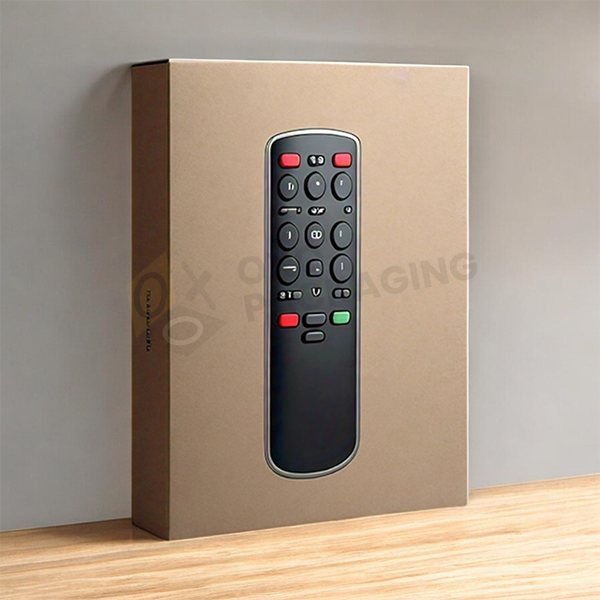
.webp "customized power bank packaging")
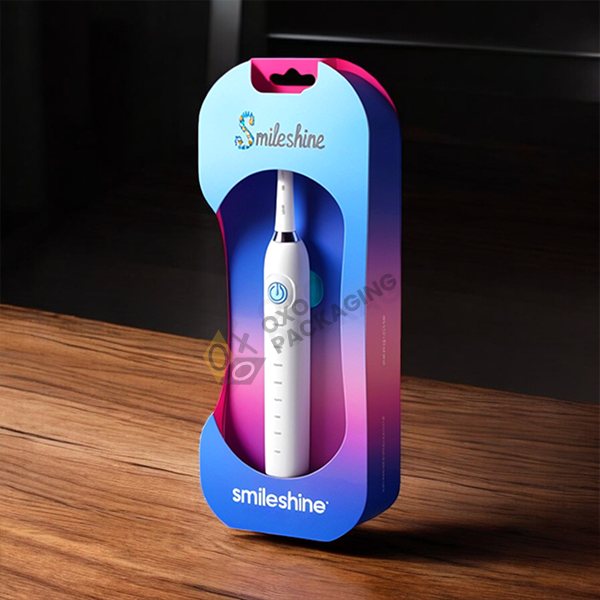
.webp "adaptor packaging")





 Let's Call
Rachel has been a delight to work with from start to finish, responding to my many questions and requests. She worked well with my graphic designer to...