


Cottage Food Labeling: What Your Bakery Packaging Must Show
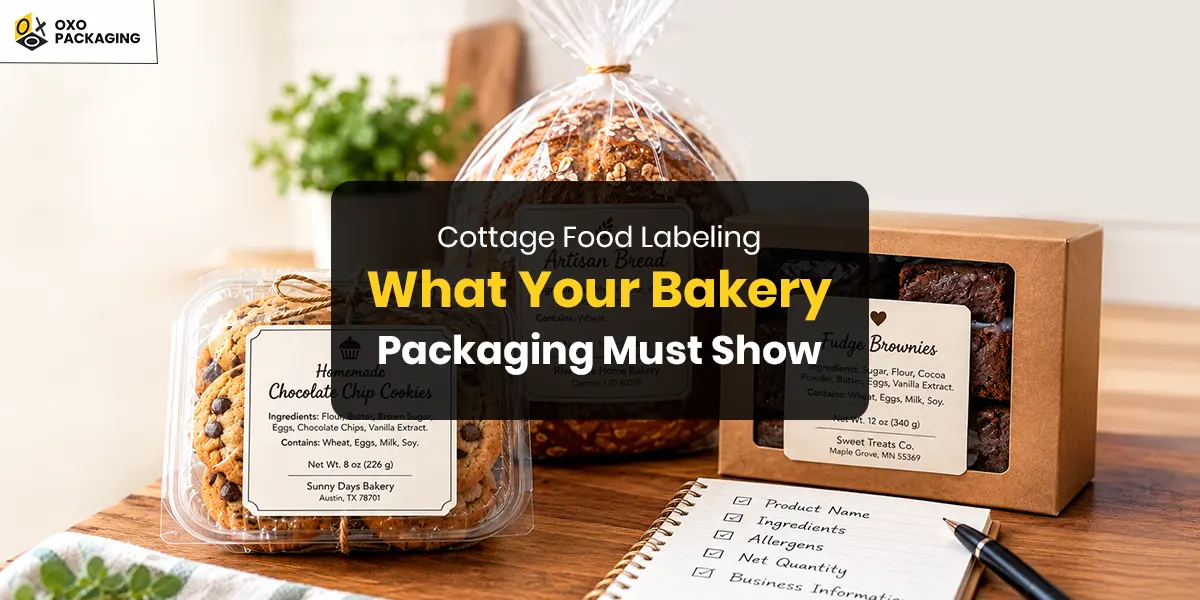
Starting a home bakery is an exciting way to turn baking skills into a small business. From cookies and brownies to bread, cakes, and other shelf-stable treats, cottage food businesses can serve local customers without operating a traditional commercial bakery. However, selling homemade food also means paying attention to labeling.
Understanding cottage food labeling requirements by state is important because rules can differ depending on where your business operates. Your bakery boxes may need to show the product name, ingredients, allergens, net quantity, business information, and specific statements required by your state.
A well-designed label does more than meet regulations. It also helps customers understand your product and creates a professional presentation. Here is what cottage food bakers should know before printing their bakery labels.
Why Cottage Food Labeling Matters
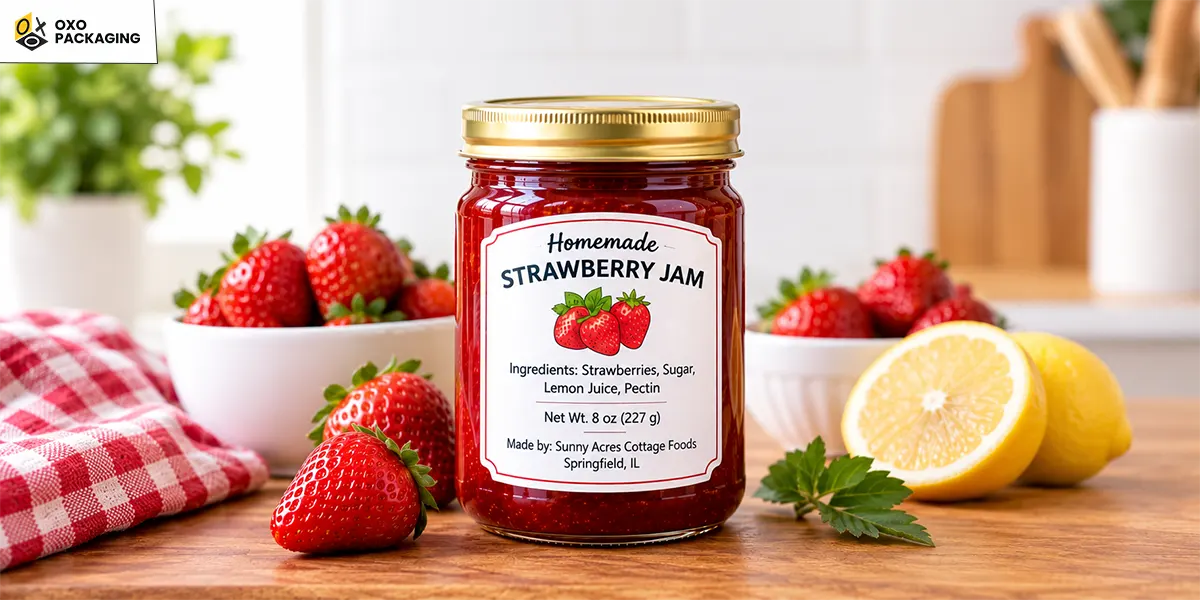
Food labels give customers important information before they purchase or consume a product. They can identify ingredients, allergens, the business responsible for the product, and other required details.
The FDA advises home-based food businesses to review both federal requirements and applicable state and local health regulations.
For cottage food businesses, requirements can be different from those for large commercial food manufacturers. Some states allow certain homemade foods under cottage food laws, while others impose specific restrictions on where products can be sold, which foods qualify, and what information must appear on packaging.
This makes checking your state's current rules an essential first step.
What Must Be on a Cottage Food Label?
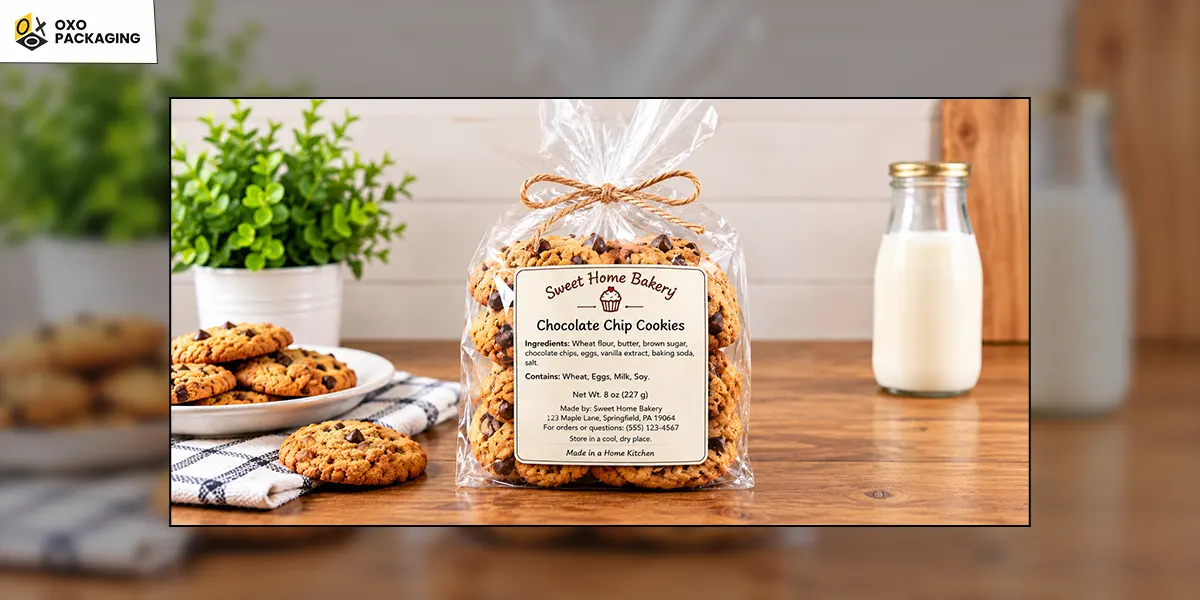
So what must be on a cottage food label? The exact requirements depend on your location and product, but several pieces of information are commonly required or useful.
Your label may need to include:
- Product or food name
- Ingredient list
- Major allergen information
- Net weight or quantity
- Name of the cottage food business
- Business address or other required contact information
- Required home-kitchen or cottage-food statement
- Production or permit information when required by the state
- Storage or handling instructions when applicable
Federal food-labeling rules also generally require packaged foods to identify major food allergens when applicable. The FDA currently recognizes nine major allergens: milk, eggs, fish, crustacean shellfish, tree nuts, peanuts, wheat, soybeans, and sesame.
Cottage Food Label Ingredient List
A clear cottage food label ingredient list helps customers understand exactly what is in your product, and it builds trust.
Ingredients are generally listed by their usual names and in descending order of predominance by weight, under federal food?labeling rules, so the ingredient list is easy to read.
For example, a cookie label might include:
Ingredients: Wheat flour, sugar, butter, eggs, chocolate chips, vanilla extract, baking soda and salt.
If an ingredient contains components, those sub?ingredients may also need to be identified on the ingredient list.
Keep your ingredient list updated whenever you change a recipe because changing chocolate, flour, flavoring, frosting, or another component can affect both the ingredient declaration and allergen information.
Cottage Food Allergen Statement
A cottage food allergen statement is very important for bakery products because many common baking ingredients have allergens.
For example, a product that has wheat, milk, and eggs might use a statement like:
Contains: Wheat, Milk, Egg.
According to allergen-labeling rules, allergens can usually be shown in the list of ingredients or through a separate "Contains" statement that comes right after or next to the ingredient list.
Keep in mind that "Contains" and "May contain" are not the same. A "Contains" statement shows allergens that are used as ingredients. Statements like "may contain" are usually optional. Should not be used instead of good allergen controls.
Do You Need a Made in a Home Kitchen Label?
Some cottage food laws require a statement informing customers that the product was prepared in a home kitchen or under a cottage food operation. Depending on the jurisdiction, this may be similar to a made-in-a-home-kitchen label or another prescribed statement.
Do not simply create your own wording if your state provides specific language. Check the current cottage food law or guidance from the relevant state agency and use the required wording exactly when applicable.
This statement is important because customers should be able to understand the nature of the food business and the conditions under which the product was prepared.
Cottage Food Packaging Requirements
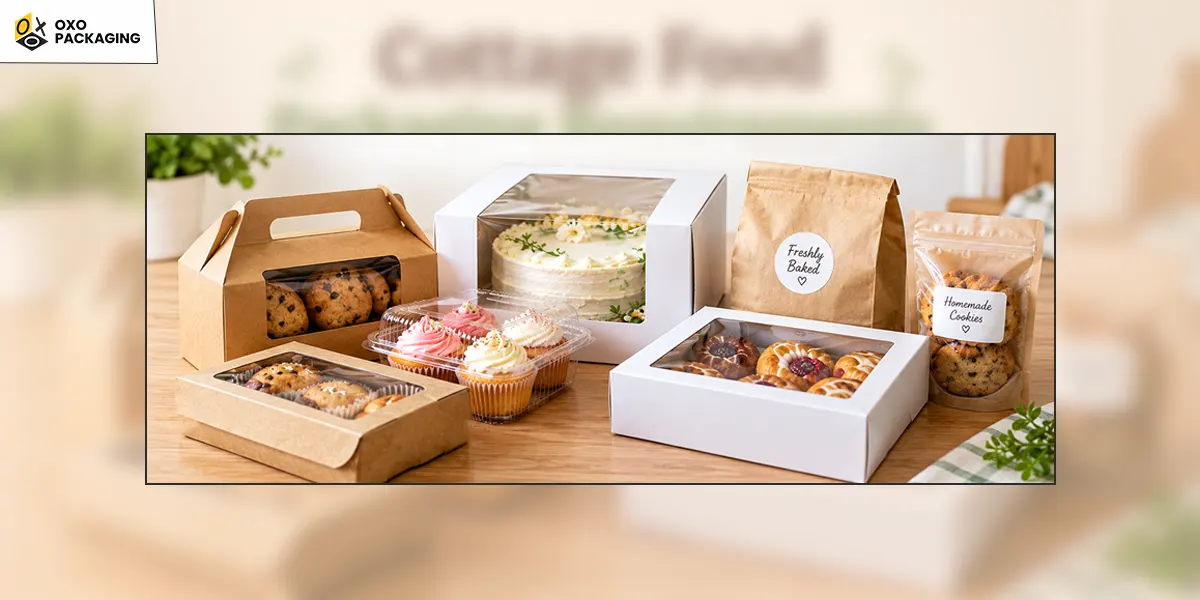
Labels are only one part of cottage food packaging requirements. The packaging itself should protect the product from contamination, damage, moisture, and unnecessary exposure during storage and transportation.
For bakery products, packaging might include:
- Cookie boxes
- Bakery boxes
- Cake boxes
- Cupcake boxes
- Pastry boxes
- Paperboard food boxes
- Food-safe pouches
- Window bakery packaging
Where to Put the Label on Bakery Packaging
Putting the label in the designated right spot on bakery packaging ensures that compliancimproves makecustomeromer’s expebetter. The important thing is to place the main label where customers can see it clearly without having to open the package.
Critical details should not be hidden under the product, inside the box. Tucked away on a flap that’s hard to reach—unless the rules you follow allow it.
For boxes, the front or top panel is ideal for the product name and brand. Another clear panel can hold ingredients, allergen warnings, business details, and other information required by law.
For bags and pouches, the front label can show the brand and product name. The back or side of the package can then carry the ingredients list and any required regulatory information.
Always check that the required information stays visible. Make sure it isn’t covered by folds, seams, windows, ribbons, or anything else on the packaging. The label should stay readable at all times.
Make Your Labels Part of Your Brand
Compliance does not mean your bakery packaging needs to look boring. Custom bakery labels for cottage food businesses can combine required information with attractive branding.
Consider including:
- Bakery logo
- Brand colors
- Product name
- Simple illustrations
- Social media handle
- Website
- Flavor information
- Storage instructions
- QR code, when appropriate
Keep required information easy to read. Decorative elements should support the label rather than make important information difficult to find.
Professional labels can also make a small home bakery appear more established and consistent across different products.
Final Checklist Before Printing
Before ordering your labels, review the following:
- Check your state's current cottage food rules.
- Confirm that your product is permitted.
- Write the complete ingredient list.
- Check all ingredients for major allergens.
- Add the required allergen statement.
- Confirm whether a home-kitchen or cottage-food statement is required.
- Add your business information.
- Check net quantity requirements.
- Make sure the label is readable.
- Confirm that the label fits securely on your packaging.
A cottage food label commonly includes the product name, ingredients, allergens, net quantity, business information, and any required cottage-food statement.
Yes, applicable major allergens should be clearly identified according to federal and state requirements.
Yes, custom bakery labels can combine required food information with your bakery name, logo, colors, and branding.







 Let's Call