


Flip Top Boxes vs. Rigid Boxes: Which One is Right for Your Product?
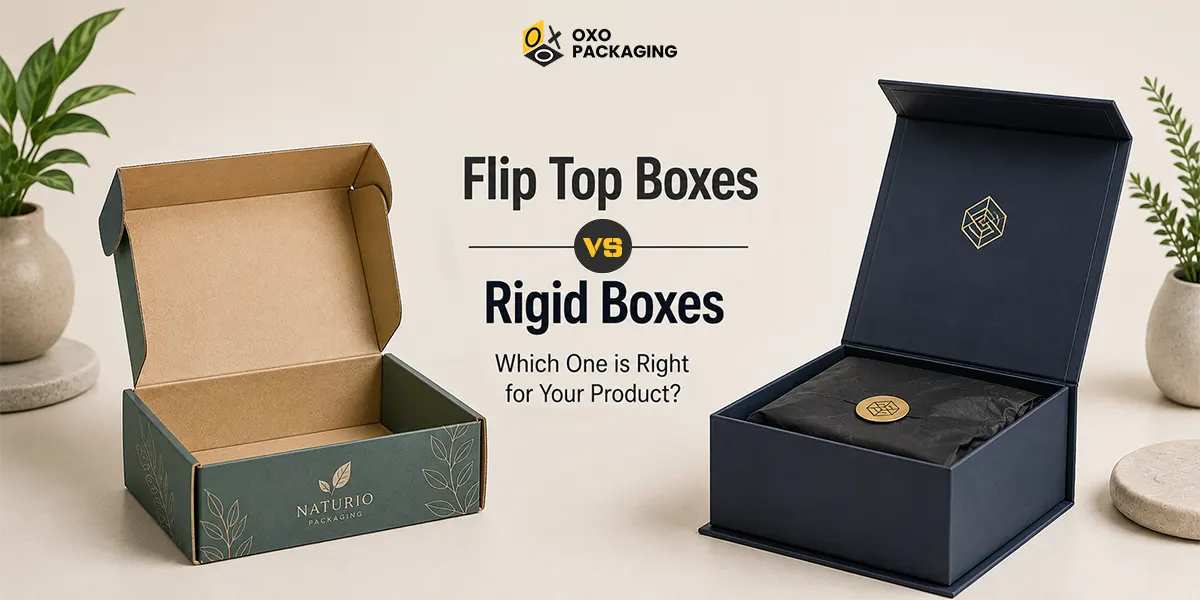
Choosing the right packaging is more than selecting a box that looks attractive. Your packaging affects product protection, shipping costs, storage space, branding, and the customer's unboxing experience. This is why many businesses compare flip-top boxes vs rigid boxes: which one is right for your product?
Both packaging styles offer excellent presentation. However, they have different structures, costs, storage requirements, and applications. Flip-top boxes are often lightweight and practical, while rigid packaging is known for its strength and luxury appeal.
Understanding these differences can help you select packaging that supports both your product and business goals.
What Are Flip-Top Boxes?
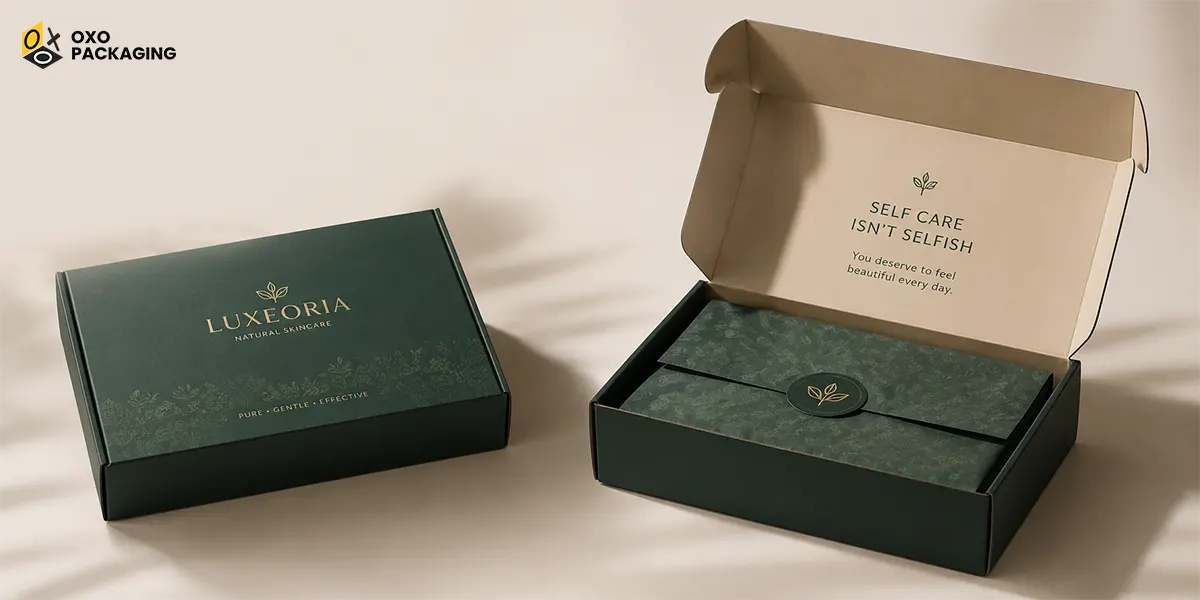
Flip-Top boxes feature an attached lid that opens from the top. Unlike separate two-piece packaging, the lid remains connected to the base. This creates a convenient opening experience while keeping the packaging structure simple.
A flip top box can be produced from thick paperboard or corrugated materials. Many designs are delivered flat before use, which can reduce storage and transportation requirements.
The box flip top structure also provides valuable printing space. Brands can customize both the exterior and interior to display logos, product information, promotional messages, or personalized greetings.
This makes custom flip top boxes suitable for retail, e-commerce, subscription products, gifts, cosmetics, accessories, electronics, and other consumer products.
What Are Rigid Boxes?
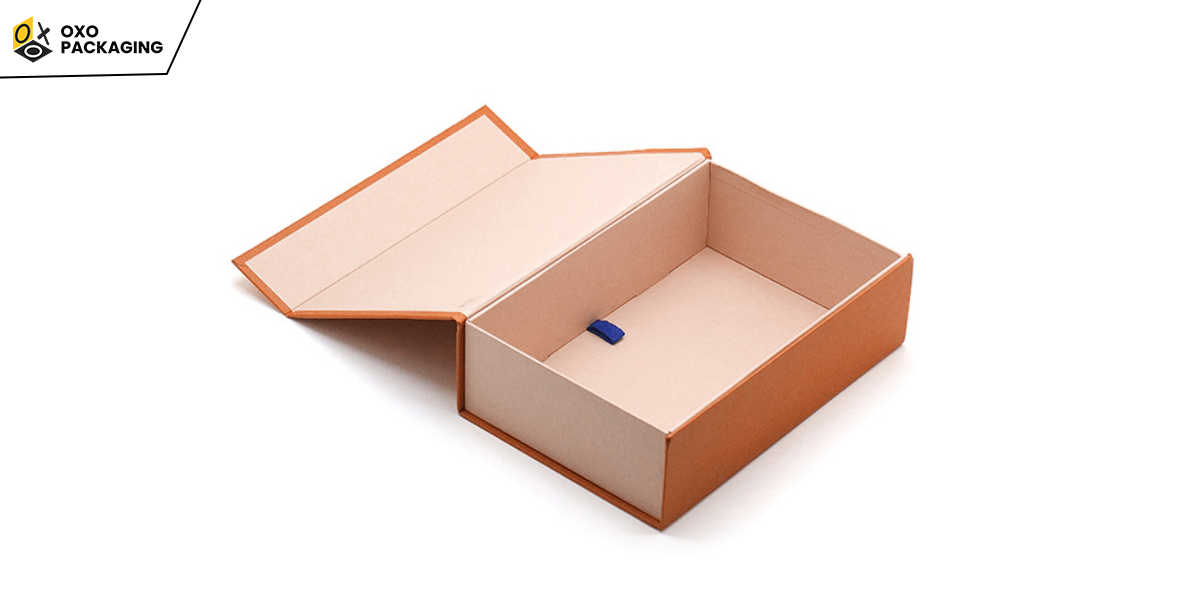
A rigid box is manufactured from thick, durable paperboard. Unlike folding packaging, it generally maintains its shape and arrives pre-assembled.
Rigid packaging is widely associated with premium products. Its sturdy construction provides excellent protection while creating an impressive presentation.
Custom rigid boxes can be produced in different sizes, colours, finishes, and structures. Brands can add inserts, foam, ribbons, magnetic closures, foil stamping, embossing, and other features.
For products positioned at the higher end of the market, luxury rigid boxes can make the packaging an important part of the overall customer experience.
Flip Top Boxes VS Rigid Boxes: Key Differences
|
Feature |
Flip Top Boxes |
Rigid Boxes |
|
Construction |
Folding or hinged structure |
Thick, permanent structure |
|
Storage |
Space-efficient when flat |
Requires more storage space |
|
Shipping |
Lightweight and efficient |
Heavier and bulkier |
|
Durability |
Strong with suitable material |
Very high structural strength |
|
Unboxing |
Interactive and engaging |
Premium and luxurious |
|
Cost |
Generally more economical |
Generally higher |
|
Best suited for |
Retail and e-commerce |
Luxury and high-value products |
|
Closure |
Tuck, friction, or magnetic |
Lid, magnetic, or other closures |
This reference approach also highlights the importance of considering the total packaging cost, including the box itself, transportation, and warehouse space.
Structural Strength and Product Protection
Packaging must protect products throughout handling, storage, and delivery. Flip-top boxes packaging can provide strong protection when the correct paperboard or corrugated material is selected. Different material grades can be used according to product weight and shipping requirements.
Rigid packaging construction does not automatically make one option better. Your product requirements should determine the material and structure.
Storage and Shipping Considerations
Storage is an important factor for businesses ordering packaging in large quantities. Many flip-top designs can be supplied flat. This allows businesses to store more packaging in less warehouse space. Flat packaging can also reduce the volume occupied during transportation.
Rigid boxes are normally assembled. Their permanent structure means they require more warehouse space before products are packed.
For e-commerce businesses, subscription companies, and brands shipping large quantities, this difference can significantly influence logistics costs.
This is one of the strongest advantages of Flip top boxes and similar folding structures when businesses need practical packaging that can be stored efficiently.
The Premium Appeal of Flip Top Boxes
Some businesses assume that only rigid packaging can provide a luxury appearance. That is not necessarily true.
Custom flip top boxes can include premium printing and finishing techniques. Foil stamping, embossing, debossing, spot UV, matte lamination, and textured finishes can create an attractive presentation.
A printed interior can also enhance the unboxing experience. The inside lid can display a brand message, product instructions, a thank-you note, or promotional content. This gives flip-top packaging a useful balance between practicality and premium packaging.
Flip-Top Boxes With Magnetic Closure
For brands looking to make their packaging more sophisticated, Flip-top boxes with magnetic closure are an excellent option.
A magnetic mechanism keeps the lid securely closed while creating a smooth opening experience. When the customer opens the package, the magnetic closure adds a satisfying feel that can make the product presentation more memorable.
A flip top magnetic box can work particularly well for cosmetics, skincare, technology accessories, premium gifts, stationery, and other higher-value products.
When choosing magnetic packaging, businesses should test the closure before mass production. The magnet should provide enough holding strength without making the box difficult to open.
How to Choose the Right Box for Your Product
Ask these questions before placing your packaging order:
What is your product weight?
Heavier products may require stronger materials and structural support.
How much warehouse space do you have?
If space is limited, flat-pack flip-top packaging can be advantageous.
How important is luxury presentation?
For premium products, rigid packaging can provide a stronger high-end impression.
What is your packaging budget?
Flip-top designs can offer premium presentation without the same investment as some rigid structures.
How will the product be shipped?
E-commerce brands should consider packaging weight, dimensions, and shipping volume.
Do you need a magnetic closure?
Magnetic options are available for both premium flip-top and rigid packaging designs.
Final Verdict: Which Box Should You Choose?
If you want packaging that's easy to use and store and you do not want to spend a lot of money, then flip-top boxes are a good choice. They are great for people who sell things online in stores or by subscription. You can also use them to send out things to promote your business.
On the other hand, if you want your packaging to look fancy and feel strong, then custom rigid boxes are the way to go. These boxes are perfect for things like jewellery, expensive makeup, watches, electronics, and gifts that're very valuable.
What if you want something in between? That is where flip-top boxes with closures come in. They give you a feeling when you open them, but they are still practical.
In the end, the best packaging keeps your product safe, fits your needs, and does not cost much. It should also make your brand look good. Whether you choose a box, a flip-top box with a magnet, or something entirely different, good packaging can make getting a product a special experience.
Flip-top boxes and custom rigid boxes can both be options depending on what you need.
Generally, yes. Flip-top boxes can be more cost-effective because they use less material and can often be stored or shipped flat.
Yes, luxury rigid boxes provide a sturdy structure and premium presentation, making them ideal for jewellery, cosmetics, watches, and high-end gifts.
Yes, flip-top boxes with magnetic closure offer secure fastening and create a more premium opening experience.
Choose flip-top packaging for flexibility, efficient storage, and cost control. Choose custom rigid boxes when luxury presentation, durability, and a memorable unboxing experience are priorities.







 Let's Call