


Freezer Bag vs. Storage Bag: Differences You Must Know About
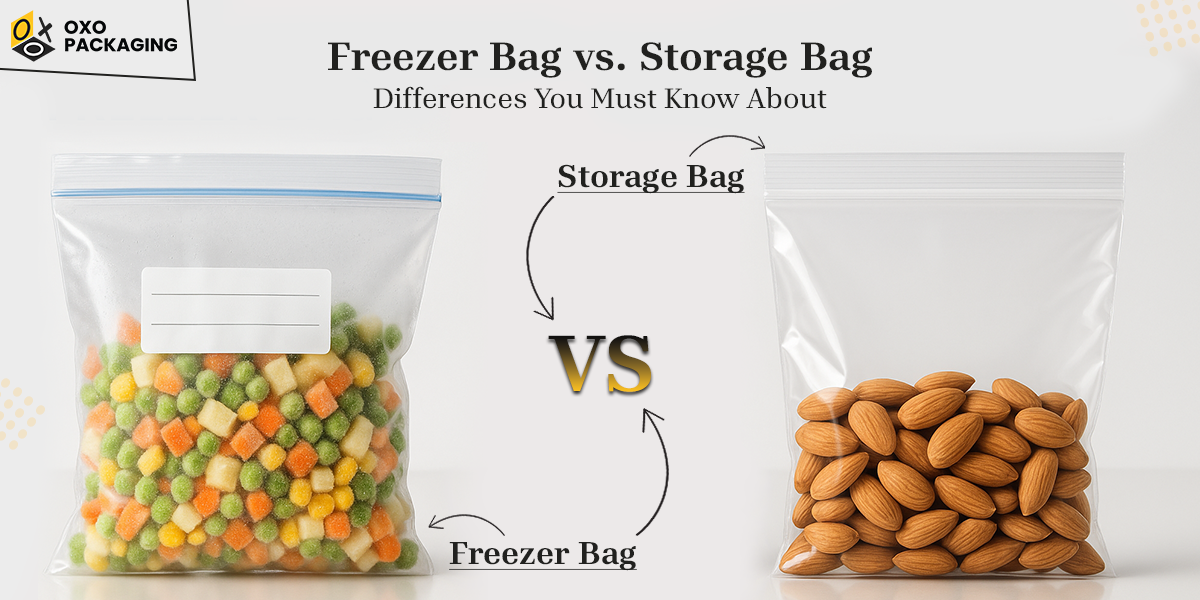
Food and product storage it’s a delicate task; if not done the right way, it can cost you a lot. The item may get spoiled or lose its original flavour, no matter how hard you try to regain it. If you’re stuck in the selection between a freezer and a storage bag, here in this guide, we’ll explore them comprehensively and equip you with the knowledge to make a better decision. So, read on to know more about it.
Factors That Make Freezer Bags & Storage Bags Distinctive
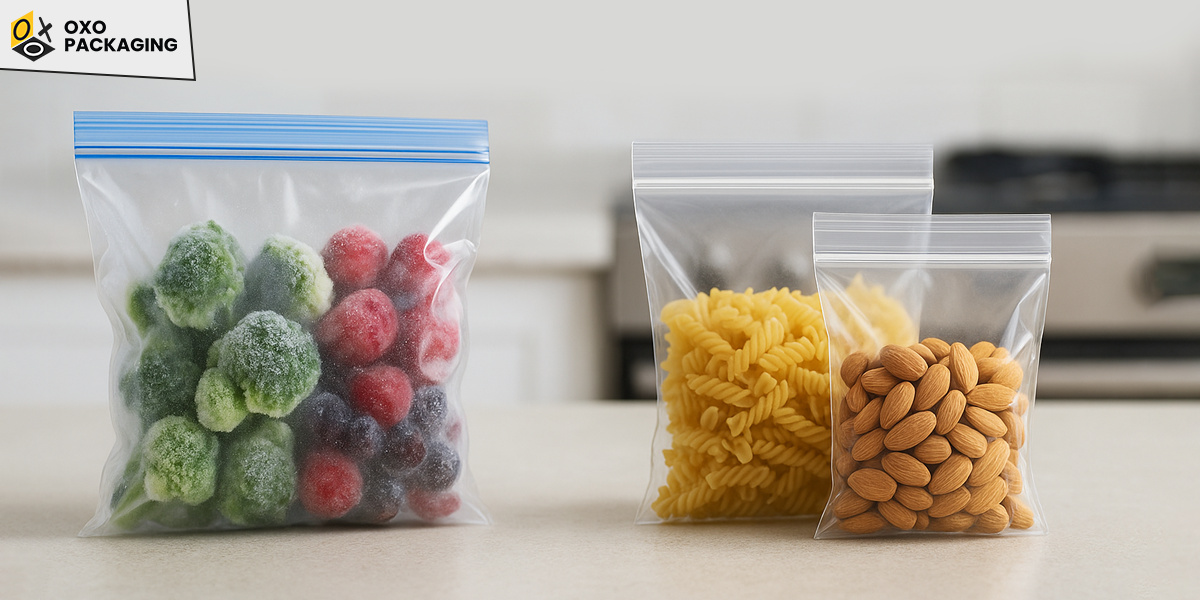
Among dozens of aspects that make freezer and storage bags different food packaging bags, we’re going to explore the top ones that count a lot. Below are those factors that, if you consider them, you can easily determine whether you need a freezer or a storage bag.
Thickness of Material
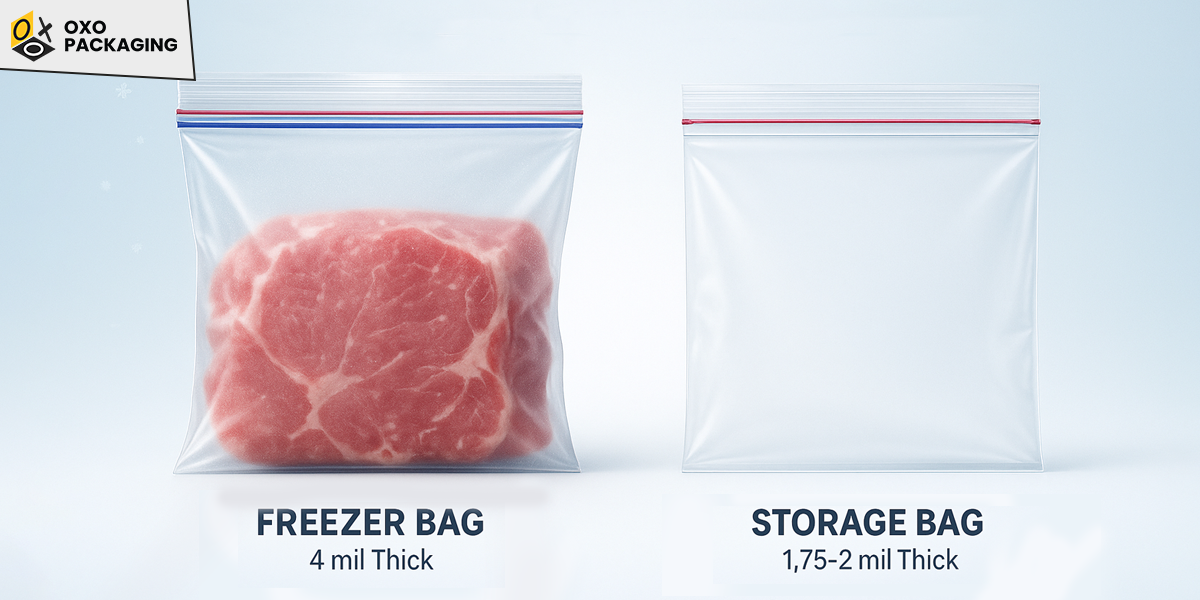
The first and foremost element of both bags is the thickness of the material they’re made of. Since it directly contributes to the strength of the overall packaging, changing it can make or break the whole purpose.
For instance, a normal freezer bag can have a thickness of 4 mil of kraft paper, providing enough robustness to keep the inside content scratch-free. The transparent but flexible material is best at resisting the rough and tough surfaces that are normal in freezers due to ice buildup. Thereby protecting the meat or any other material packed inside from getting torn.
On the other hand, the thickness of the storage bag material is around 1.75-2 mil, which also offers considerable strength. Because it’s almost half of a freezer bag, the strength level of the material is also half if we take it as a measuring scale.
Note: The lower thickness of the storage bags doesn’t mean it’s poorer in solidness, but it’s ideal for off-freezer purposes.
Durability
Secondly, the durability of the bags tells how harsh an environment it can bear without losing its shape. Because it’s linked to the thickness of the material, if you know it, you can evaluate the ability to uphold the weight in a matter of moments.
Whereas, most of the freezer bags are resistant to punctures and can bear the extreme cold, and don’t go bad due to freezer burns. The thickness enables the bag to tolerate the abnormal freezing temperatures. That’s why they’re known as freezer bags.
Comparatively, storage bags are less resistant and may get punctured if placed in a cold environment for a long time. The material is reliable for basic storage food boxes needs, but not ideal for freezing,just as off the freezer bags.
Usage & Practicality
How much time a bag can be stored in extreme temperatures determines its strength! Since both bags may seem similar to each other, their utilization isn't the same at all.
A freezer bag can be used to store products for a long time, months, even years or more. The characteristics of the material handle the tough environment, keeping the content in the best state.
Unfortunately, you can’t expect the same from storage bags in the freezing atmosphere. They’re meant to provide a stable solution for short to medium term inside refrigerators where the temperature is less harsh than freezers.
Cost of Bags
Although it’s not an aspect because both of the bags are different in nature and the purpose they’re used for. Still, if you count on it, there’s some difference in the cost of them.
As expected, freezer bags are more expensive due to their amazing features that no one can deny. Even being costlier, it’s still the best option, featuring a range of perks in the reliable freezing packaging products category.
In contrast, storage bags are budget-friendly and cost a fraction of the price. One reason the shopper may take them for granted is because of their price when compared with freezer bags. But that’s not the case at all. In reality, they’re also best for storage purposes within the refrigerator and beyond.
What’s Common in Both Options?
So far, we are comparing all of the features with one another, but are they similar in both? Below are some of the aspects that are common no matter what you choose.
- Both bags’ fundamental material is the same — polyethylene plastic; the actual difference lies in the thickness, which determines the overall flexibility and strength.
- Closure mechanism, as it can be the same for both, as a zipper-style or ziplock that offers a secure seal, keeping the air flow inside and out and vice versa.
- Available in the same sizes. For instance, if you purchase a 1-liter freezer bag, you can also go for a storage bag of the same volume without a difference of a milliliter.
Both bag options are versatile for dry, solid, or liquid food items. You can store, organize, and transport the products inside it without worrying about their spoilage.
Which Bag to Choose?
We hope that now you’ve explored the differences between the options and can pick the ideal one that suits your packaging needs. Sometimes it can be tricky to decide what to choose and what to skip to avoid this situation. Consider your needs, and you’ll find a better solution.
If we compare them, there’s no doubt that freezer bags are one step ahead of storage bags, but this doesn’t mean that any of the options is superior to others.
Yes, you can also use a storage bag for freezing, but only for a short or medium term. But ensure that the air isn’t present in the pouch that can cause freezer burns and may damage the bag’s integrity.
Yes, both bags can have child-resistant zip-locks to ensure the kids don’t access the inside packed content easily. But most of the bags have double seals, which also serve nearly the same purpose.







 Let's Call