


How to Choose Packaging When You Don't Know What Material You Need
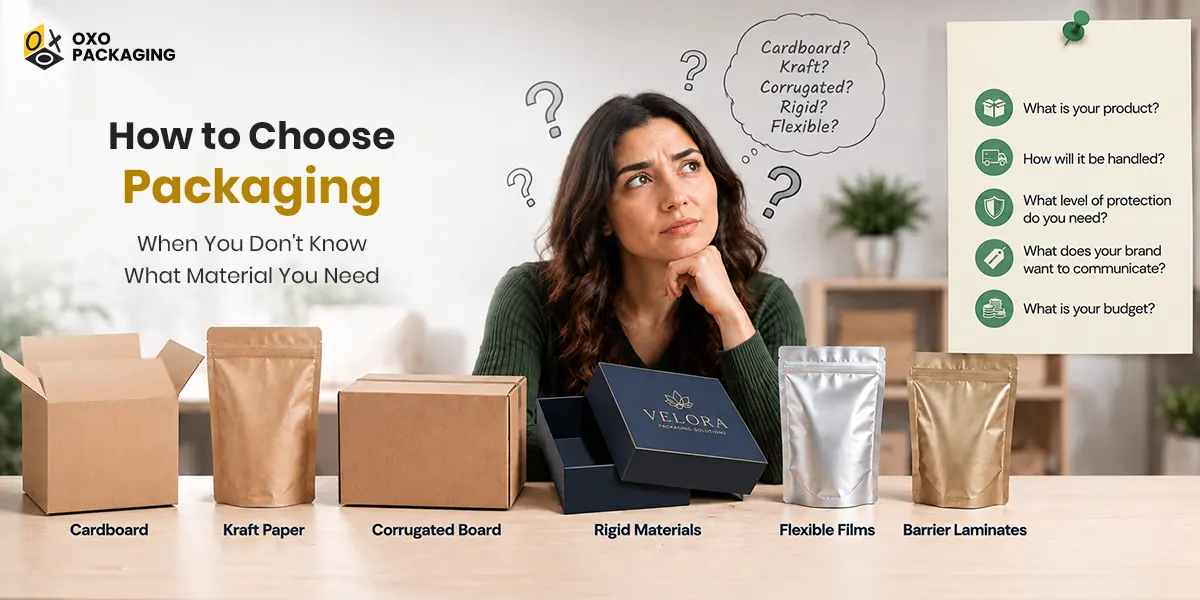
Choosing packaging can feel confusing when you know what your product needs but do not know which material or structure is right. Cardboard, kraft paper, corrugated board, rigid materials, flexible films, and barrier laminates all serve different purposes. Choosing the wrong one can lead to damaged products, higher costs, or packaging that does not match your brand.
The good news is that you do not need to be a packaging expert to make the right decision. Start by understanding your product, how it will be handled, and what you want the packaging to achieve. Asking a few simple questions can quickly narrow down your options.
Start With the Product
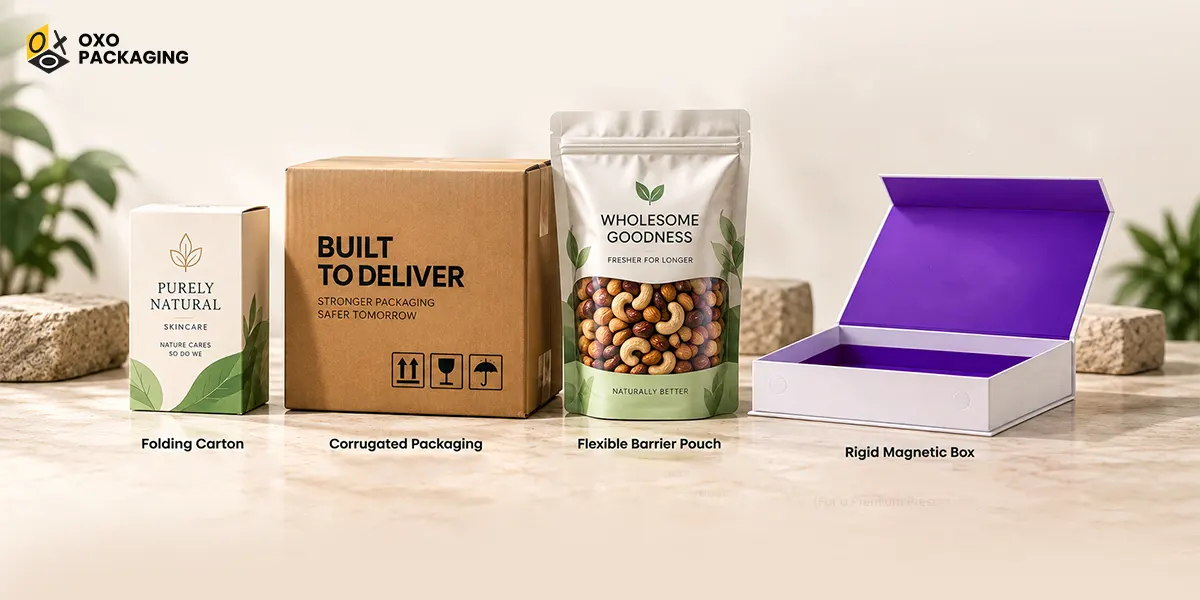
The product itself should always guide your packaging choice. Consider its size, weight, shape, shelf life, sensitivity, and how customers will use it.
For example: a lightweight retail product may work well in a folding carton, while a heavy product being shipped may need corrugated packaging. A product that can leak or absorb moisture may require a flexible barrier pouch rather than standard paper packaging.
Before choosing a material, ask:
- Is it fragile?
- Does it need moisture protection?
- Does it need oxygen/light protection?
- Is it being shipped?
- Is premium presentation important?
- What's the expected order quantity?
- Is sustainability a priority?
These questions help you move from a general packaging idea to a practical packaging structure.
Is it Fragile?
If your product can break, crack, bend, or become damaged during handling, protection should be a priority. Fragile products often benefit from sturdy packaging combined with inserts. Rigid boxes can provide a premium structure for products such as jewellery, electronics, and gift items. Folding cartons can work for lighter products when combined with suitable inserts.
For products that will be shipped, stronger corrugated packaging may be more appropriate because it is designed to handle stacking, movement, and transportation.
Think about the journey your product takes from your warehouse to the customer's hand. If it passes through several handling points, the packaging needs enough strength to survive that journey.
Does It Need Moisture Protection
Moisture can damage packaging and products in several ways. It can soften paper-based materials and affect product quality, encourage spoilage, or damage labels and printing.
Ask yourself whether the product will be exposed to:
- Humidity
- Water
- Condensation
- Refrigeration
- Outdoor storage
- Long-distance transportation
If moisture protection is important, standard paper packaging may not be enough by itself. Barrier pouches and laminated structures can provide better protection for products that need a stronger moisture barrier.
For food, coffee, powders, and other moisture-sensitive products, packaging should be selected based on the product's shelf life and storage requirements.
Does It Need Oxygen or Light Protection?
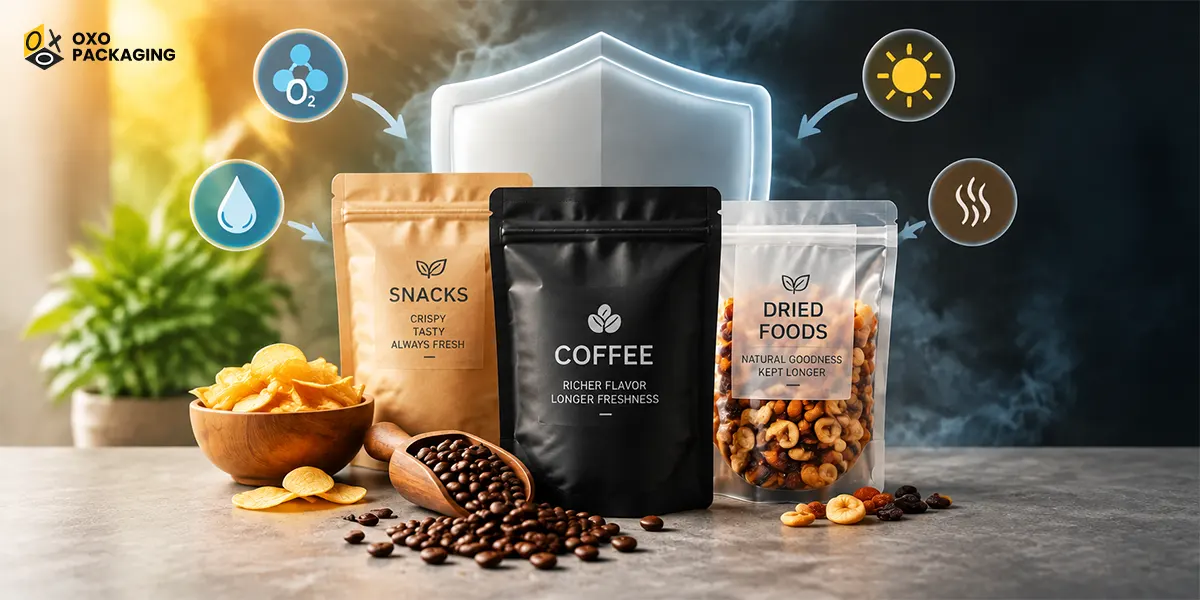
Some products are sensitive to oxygen, light, or both. Coffee, snacks, dried foods, and other products can lose quality when exposed to oxygen or light for extended periods. This is where barrier packaging becomes important.
A barrier pouch can be designed to limit exposure to oxygen, moisture, aromas, and light. Depending on the product, you may need a structure that provides stronger protection than ordinary paper or plastic packaging.
Instead of simply asking, "Which material looks best?" ask, "What does my product need protection from?"
This question can quickly narrow your choices.
Is It Being Shipped?
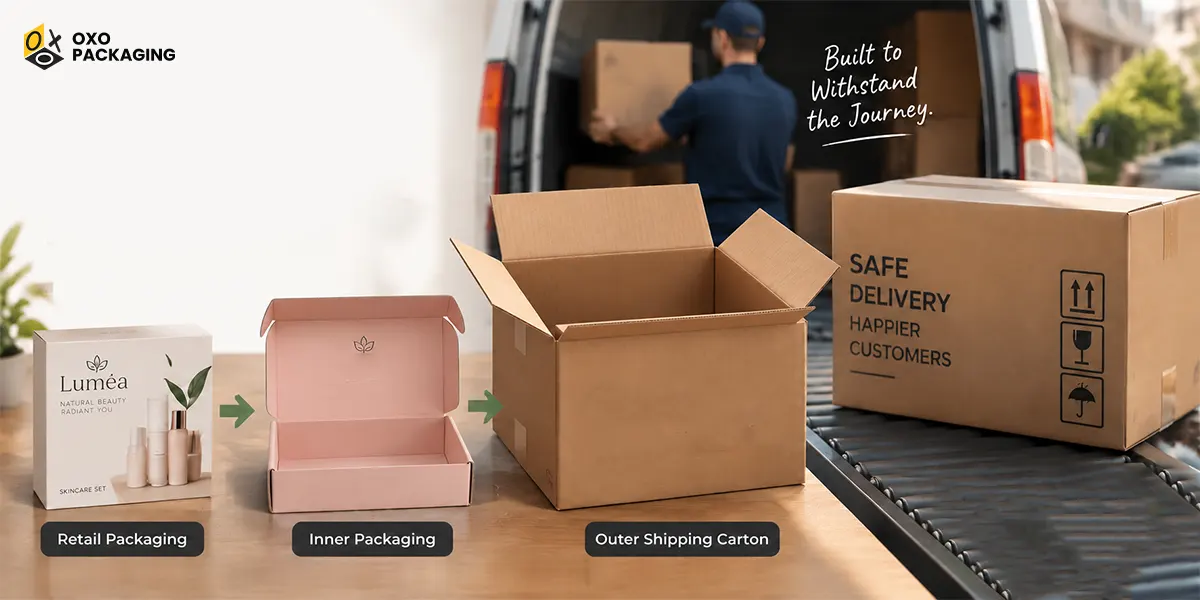
When a product is being shipped, the packaging needs to change. Retail packaging is often made to look good on store shelves. It focuses on how the product appears. Shipping packaging must do more. It must protect the product during transit. Packages can be dropped, stacked, squeezed, shaken, or handled roughly. So the packaging must be strong enough to survive.
If your product is sold online, you need packaging built for shipping. Mailers and shipping cartons are choices. Corrugated board is frequently used when the product needs strength. It is tough. Gives good protection.
You can also use two layers of packaging. For example, a product might be put in a folding carton or a rigid box. That inner package is for looks. Then it is placed inside a shipping carton. The outer carton takes the hits during transport. The inner package keeps the presentation clean and professional.
Is Premium Presentation Important?
Packaging is not just about protection. It also shapes how customers see your brand. A good package can make a product feel special. If your product is luxury or meant as a gift, the packaging matters more. The materials you choose become part of the experience.
Think about boxes, specialty papers, textured surfaces, magnetic closures, and custom inserts. These details can make a product feel premium. They give a sense of care and quality.
Premium packaging works for:
- Jewelry
- Perfume
- Premium cosmetics
- Watches
- Gifts
- High-end accessories
But premium does not mean heavy or thick. Sometimes a designed folding carton with high-quality printing and finishes can look just as luxurious. The key is to match the packaging with your product’s price and brand. The packaging should feel right for what the product's who it is, for.
What's the Expected Order Quantity?
Your expected order quantity can also influence material and packaging structure.
If you are ordering a quantity, a complicated packaging structure may not be the most practical choice. Some packaging options require tooling, setup, or higher production volumes.
For orders, custom structures and specialty materials may become more economical because production costs can be distributed across more units.
Before selecting a material, determine whether you need:
- Small quantities for testing
- Medium production runs
- Large wholesale quantities
- Regular repeat orders
Is Sustainability a Priority?
I believe that if sustainability matters to your brand, you should put sustainability in the decision from the start.
Paperboard, kraft paper, corrugated board and other fiber?based materials may suit brands that want to cut down on structures. Still, sustainability really depends on the packaging system with coatings, laminations, inks, adhesives and end?of?life options all playing a role.
I advise you not to pick a material simply because it carries the label "eco?friendly." Instead, ask how the complete package is made, used, and disposed of.
Also consider whether the packaging is unnecessarily large. Using the amount of material can cut waste and lower transportation costs.
Consider Your Budget
I think cost is another part of material selection. A packaging material that offers protection may not always be required for your product.
When picking the cheapest material, focus on value. I find that spending more on packaging can make sense if it cuts product damage during shipping. Likewise, premium packaging might justify a cost if customers expect a luxury experience.
Conclusion:
Choosing packaging material becomes much easier when you stop trying to memorize every available material and focus on your product needs. Start with protection, then consider shipping, presentation, quantity, sustainability, and budget.
Your packaging should protect the product, support your brand, and make financial sense. When you are uncertain, share your product specifications with a packaging professional and request material recommendations and samples. The right questions can turn a confusing packaging decision into a straightforward one.
Consider your product's weight, fragility, moisture sensitivity, shipping needs, presentation goals, order quantity, and budget before choosing a material.
Rigid board, corrugated board, and protective inserts are common choices for fragile products because they provide better structural support and cushioning.
Barrier pouches and laminated packaging structures can provide strong moisture protection for products such as coffee, food, powders, and other moisture-sensitive goods.







 Let's Call