


Eco-Friendly Packaging Materials You May Not Even Know About
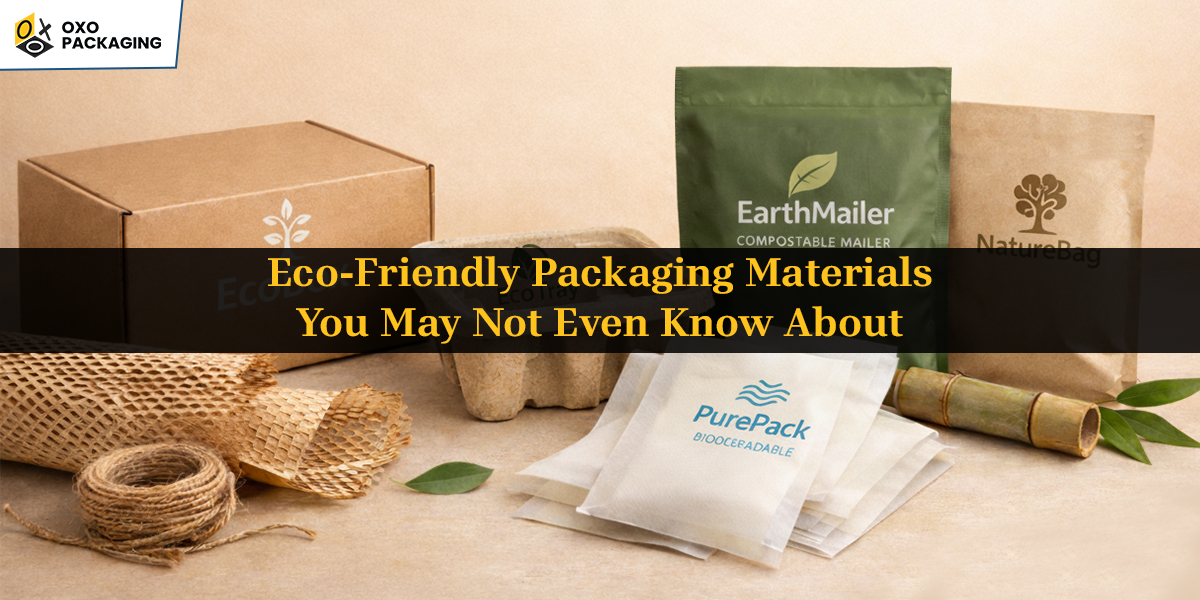
From North to South and East to West. Every corner, every nation, and every entity is trying to make our planet cleaner and greener. The major ingredient that can contribute to this effort is the packaging material. If it’s environmentally friendly, we’re good to go with. Otherwise, it can cause more harm.
Have no idea about green packaging materials at all? Here in this blog post, we’ll explore them through and find out what perks it offers to you.
Unfamous Eco-Friendly Packaging Materials
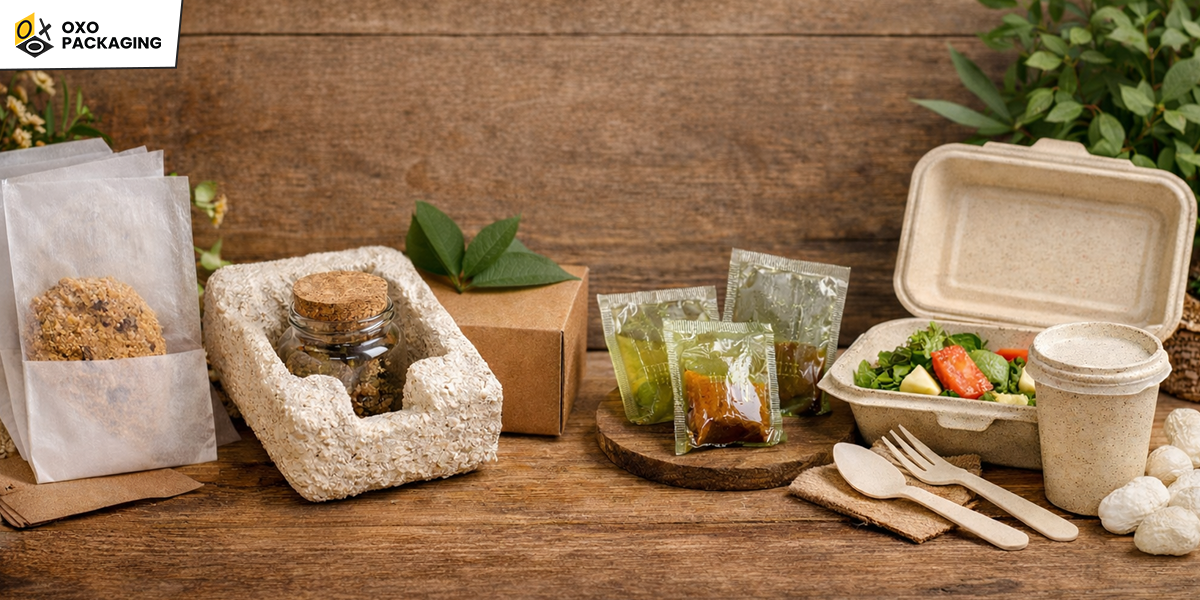
In our list, we’ve included some of the uncommon packaging materials that you may hear for the first time. But they’re one of the perfect options as they don't have any harmful effects. Some of them are:
Compostable Packaging
All organic, no chemical, no industrial processing. The compostable materials are the utmost benchmark of eco-friendly packaging materials. It fulfills all aspects of decomposition, where the material settles down to earth-enriching soil without leaving any harmful effects behind at all. Some of its plant-based materials can be sugar cane, bamboo, or corn.
Corrugated Packaging
This packaging material is the most popular choice for shipping and cargo purposes due to its thick, multi-layered fiber materials. Since the material is versatile, it can be reused multiple times to produce new packaging products such as cartons and bags.
Meanwhile, corrugated packaging is widely used in e-commerce and retail shipping to pack the products inside and deliver them in their best state. You can also opt for this for your brand’s packaging needs and benefit from the eco-friendly materials that don’t put strain on the environment.
Recycled Paper & Plastic Packaging
Plastic packaging and sustainable materials? Yes! Because recycled material contributes to the environment without demanding the production of the same material again, it takes a lot of resources. The existing materials we already have are enough to fulfill the packaging needs. So, why not utilize them again and again to reduce the carbon footprint in the ideal way we can?
Glassine Packaging

An exclusive and practical packaging material that may seem similar to butter paper. Yet, it’s made from finely processed wood pulp featuring a glossy and smooth appeal. The material is recyclable and degrades without demanding any sophisticated techniques.
That’s why glassine bags and wraps are a trendy and top-notch option for arts and craft and home décor product brands to present their offering uniquely.
Seaweed Packaging
Grown underwater, biodegradable, and sometimes edible. Seaweed is one of the sustainable materials for green packaging needs. Brands that are still on plastic-based and hard-degradable packaging can opt for it as a top choice. At the top, since seaweed packaging is edible, seaweed is most compatible for food or consumption product packaging.
Cornstarch Packaging
Made from corn. The cornstarch packaging is an ideal option to make your brand stand out in terms of presentation. Since it mimicked the Styrofoam boxes, it’s the ideal solution to sustainable packaging. So, if your business is looking for an alternative to styrene packaging, this material is the go-to choice to opt for.
Mushroom Packaging
Similar to the previous one we’ve discussed. Mushroom packaging is also another great option sourced from mushrooms’ ingredient known as mycelium. Its sturdiness properties are enough to utilize for pristine packaging needs, which also seems similar to Styrofoam, but can be compressed more or less.
However, multiple brands are benefiting from this biodegradable material for their packaging needs, as its aesthetics are functional and beyond, it stands out as a reliable choice for all.
Kraft paper
Nothing can beat the decomposability when it comes to kraft packaging materials. These are directly made from the wood pulp, leaving no residue behind throughout the process. From making custom small kraft bags to big cartons, this material always outperforms among its peers. That’s why it’s a top packaging material for every industry, whether it’s food, apparel, or even tech.
What’s the Best Packaging Material for Your Brand?
As we’ve discussed multiple eco-friendly packaging materials above. The big question is, what material is best for your brand? Well, this depends upon your product’s distinctive presentation requirements. For some, the basic Kraft materials work ideally, while some may need the Glassine to stand out.
So, for each business, this varies accordingly. Though you can experiment with some MVPs to better analyze the user’s behavior and evaluate which material appeals better or what doesn’t. Yet, to save your precious time and mental effort, it’s best to consult with a packaging expert rather than relying on guesswork.
How to Choose the Right Sustainable Packaging Materials
Choosing the right sustainable packaging materials demands considering some factors in detail before you finally select the packaging materials for your product packaging. Some highly significant and valuable factors include the following:
-
Evaluate Product Packaging Requirements
Consider your product's details and evaluate its packaging requirements, like weight and density, fragility and delicacy, and barrier and protection requirements. All these factors demand in-depth knowledge and understanding before you finally choose the right packaging materials.
Simply, you need to consider rigid packaging for the fragile, premium, and delicate items of your brand. For natural products, you need to opt for sustainable and eco-friendly packaging materials, like kraft paper, and so on…
-
Focus on Brand Nature
For the luxurious and high-ticket items of premium brands, they need to consider premium packaging. This packaging might influence the buying decision of the customers with the use of valuable embellishments, inserts, and add-ons to enhance the unboxing experience and boost their brand image.
-
Consider Your Cost and Budgets
Cost and budgetary requirements are important to consider before ordering your product packaging for your brand. You need to clearly decide which type of packaging, packaging materials, and display you need for your products and brand. For instance, for low-cost packaging materials, you might prioritise the selection of recycled paperboard packaging materials, while for premium packaging you will choose rigid box packaging for your brand.
Industries That Benefit Most from Sustainable Packaging
Sustainable packaging today is highly desirable and is opted by most of the popular industries worldwide. A few of the popular industries we can share for your convenience in understanding the significance, usage, and benefits of sustainable packaging:
-
Food and Beverages
The food and beverage industry is one of the most significant to consider on a priority. This industry produces a lot of packaging, creates huge packaging waste, and ends up with a pile-up of unwanted and unhealthy environmental impact on the whole community. Alternatively, sustainable packaging can reduce harmful waste to a great extent and keep the environment comparatively healthy.
-
Ecommerce and Retail Shipping
The exponentially growing online shopping trend worldwide requires special attention in producing sustainable packaging to have a check on the harmful impact on the environment. The use of sustainable packaging can help reduce not only environmental pollution but also help in reducing waste and the cost of packaging.
-
Beauty and Personal Care
Beauty and personal care items need to be showcased in a way they reflect nature, protects natural beauty, and enhances care and affection for nature. This is why sustainable packaging materials are the perfect choice for these products.
Who to Partner for Sustainable Packaging?
If you’re looking for a packaging company that addresses the concerns of crafting an ideal solution, there are a lot of companies you’ll find online as well as offline. Whereas finding the vendor who complies with the green packaging regulations is a bit tricky.
Don’t worry. OXO Packaging understands this concern deeply, thereby offering a best-fit solution at competitive costs. You can reach us by calling (510) 500-9533 or writing to sales@oxopackaging.com for a bespoke quote, or request a 3D mockup of eco-friendly boxes at no cost!
The cost of the green packaging is a bit more compared to other options because of the availability of raw materials, production, and supply chain-related costs. Even though they’re costly but impact on the environment is much better than traditional options.
Yes. Any packaging made from eco-friendly materials can be customized in any manner, including printing, finishes, and add-ons.
Indeed. Whatever green material is utilized for the manufacturing of boxes. It can be printed in the ideal way without missing any details on the surface on any side. Also, they can be merged with the eco-friendly printing inks to provide a full-fledged solution.
There are multiple ways to spot decomposable packaging. One of the top ways is by looking at the official labels that confirm that the materials of the box/bag are safe for the environment and don’t pose any risk at all.







 Let's Call