


Smart Luxury Packaging: Can Rigid Boxes Support NFC & QR Authentication?
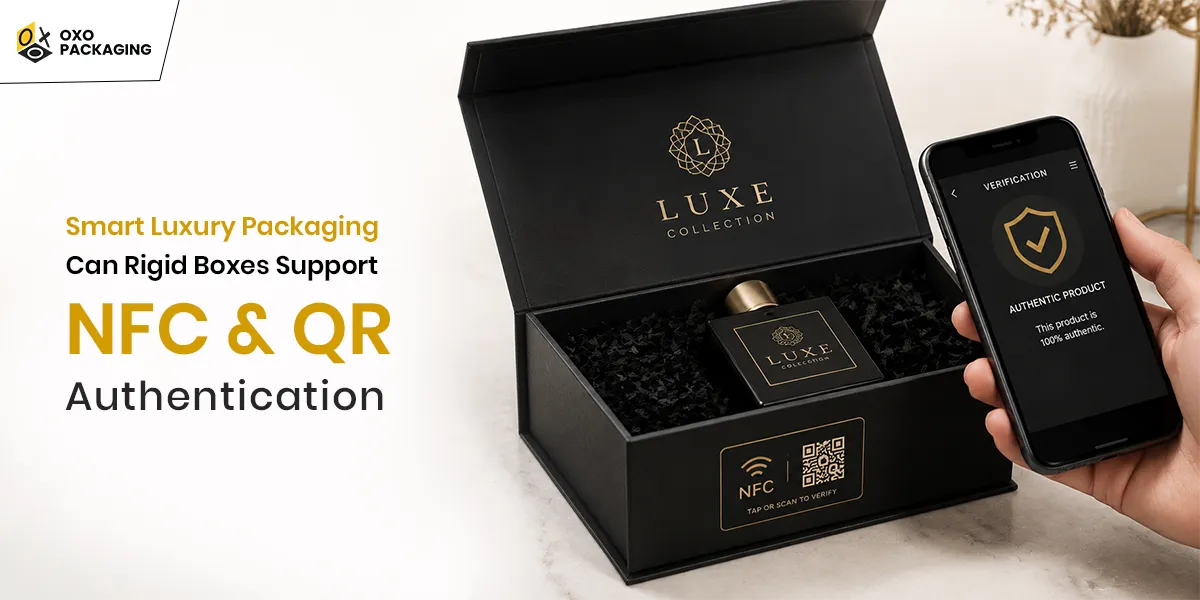
Luxury packaging is no longer limited to elegant finishes, premium materials, and impressive unboxing experiences. Brands are now adding digital technology to packaging to improve product security, customer engagement, and brand trust. This shift has created the concept of smart luxury packaging, where physical boxes connect customers to digital experiences.
Rigid Boxes are especially suitable for this purpose. Their sturdy construction provides enough space to integrate NFC tags, QR codes, security features, and other smart elements without compromising the premium appearance of the packaging.
But can rigid boxes really support NFC and QR authentication? Yes, when planned correctly, these technologies can turn a luxury box into a powerful authentication and engagement tool.
What is Smart Luxury Packaging?
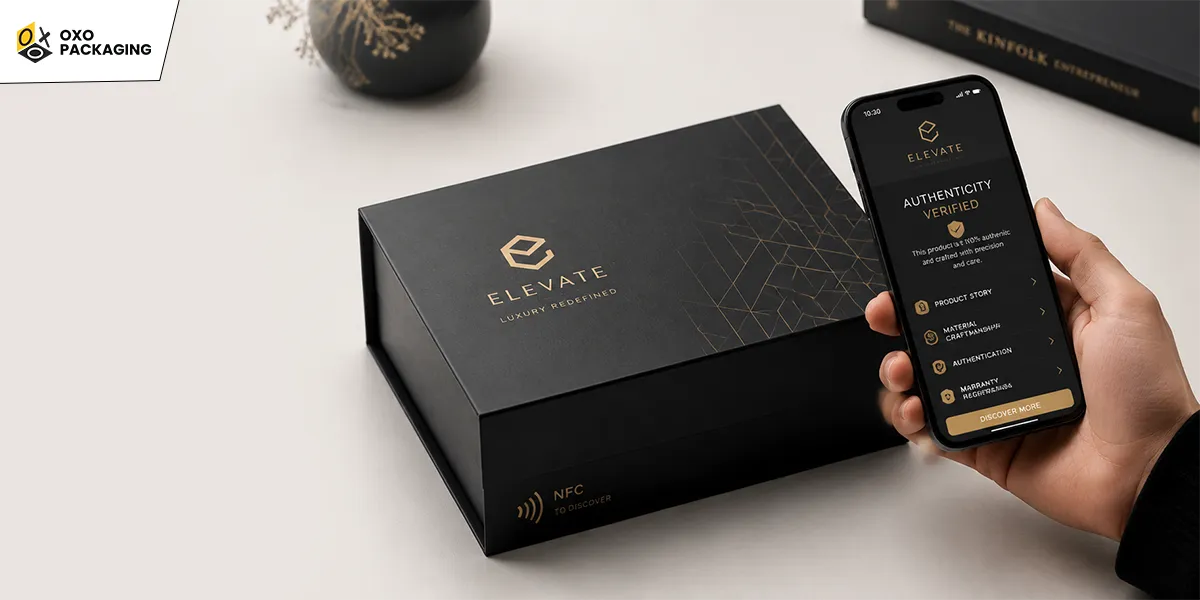
Smart luxury packaging combines traditional premium packaging with digital technology. Instead of serving only as a protective layer, the box can communicate with customers through a smartphone.
NFC technology allows users to tap their phones against a compatible tag. QR technology lets them scan a printed code using their phone camera. Both methods can connect customers to product information, authentication pages, warranty registration, brand stories, and other digital content.
For luxury brands, this creates an important opportunity. The packaging can become part of the product's identity rather than something customers simply throw away.
NFC integration in rigid packaging can also create interactive experiences, improve authentication, and support supply-chain visibility.
Why Rigid Boxes Are Ideal for Smart Packaging
Rigid boxes are widely used for premium products because they offer strength, structure, and a sophisticated presentation. These characteristics also make them practical for smart packaging technology.
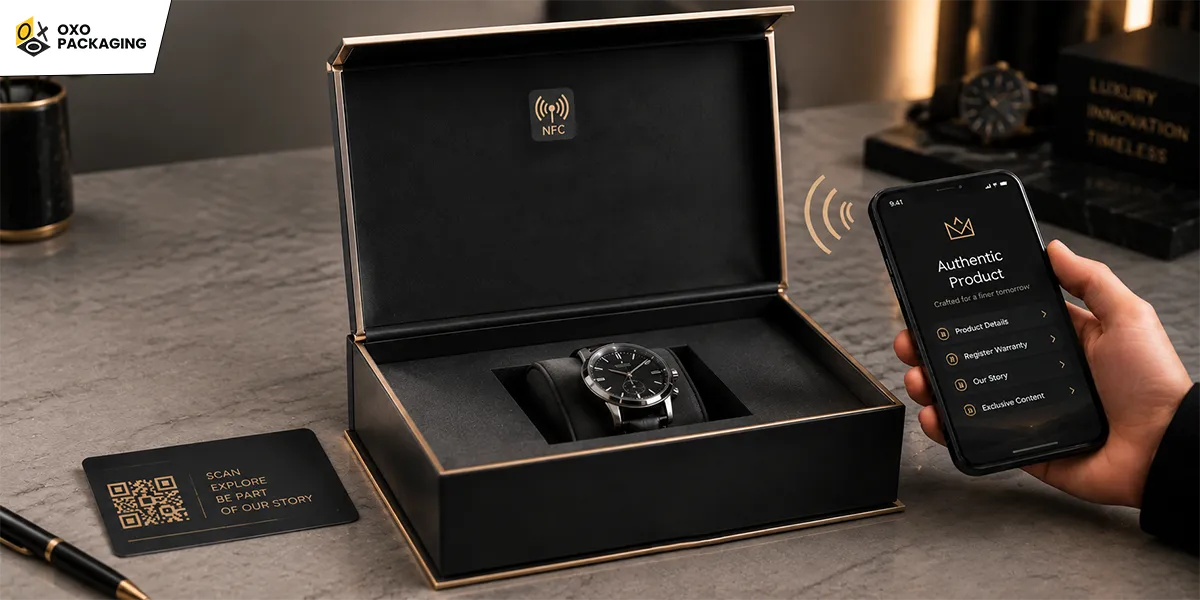
NFC tags can be placed inside a box lid, beneath a paperboard layer, within an insert, or around a closure area. QR codes can be printed directly on the box or incorporated into an artwork.
Because rigid boxes have a solid construction, brands can carefully position smart components without making them look like an afterthought.
For example, a luxury watch box could contain a discrete NFC tag beneath the lid. The customer could tap the box to access an authentication page, product registration, warranty information, or the brand's story.
This approach combines physical luxury with digital convenience.
How NFC Authentication Works In Rigid Boxes
NFC stands for Near Field Communication. It enables short-range communication between an NFC tag and a compatible smartphone. For authentication, the NFC tag can be linked to a unique digital identity. When a customer taps the box, the system checks the identifier and displays a verification result.
The process can be simple:
- The brand players have gained a unique identity.
- An NFC tag is integrated into the rigid box.
- The tag is connected to a secure digital platform.
- The customer taps the box with a smartphone.
- The system checks the product information.
- The customer receives an authentication result.
Advanced NFC authentication can provide stronger protection than a simple static code. Some systems use cryptographic technology to create unique responses that are harder to copy.
This makes NFC particularly attractive for luxury products where counterfeit protection is important.
Can QR Codes Also Support Authentication?
Yes, QR codes can also be used as part of an authentication system. A QR code can direct customers to a branded verification page. When each product receives a unique, serialised QR code, the system can check the code against a database and determine whether the product is recongized.
QR codes are useful because they are affordable, highly visible, and accessible through standard smartphone cameras. They can also provide product information, warranty registration, instructions, and promotional content.
However, brands should distinguish between a basic QR code and a secure, serialised QR authentication system. A static QR code can be copied and reproduced. A unique code from a secure verification platform provides stronger authentication.
NFC vs QR: Which Is Better for Luxury Authentication?
Both technologies have advantages, but they serve slightly different purposes.
|
Feature |
NFC |
QR Code |
|
Interaction |
Tap |
Scan |
|
Visibility |
Can remain hidden |
Usually visible |
|
Smartphone camera needed |
No |
Yes |
|
Printing required |
No |
Yes |
|
Authentication potential |
High with secure chips |
High with serialised systems |
|
Cost |
Generally higher |
Generally lower |
|
Luxury experience |
Highly discreet |
More familiar |
|
Product information |
Yes |
Yes |
Where Can NFC and QR Codes Be Integrated?
Smart technology does not have to interfere with the appearance of a luxury rigid box.
- Inside the Box Lid
- Under a Paper Layer
- On a Packaging Insert
- On a Security Seal
Benefits of NFC and QR Authentication for Luxury Brands
The following are the benefits of NFC and QR authentication for luxury brands.
- Protect Against Counterfeiting
- Build Customer Trust
- Create Better Unboxing Experiences
- Support Product Registration
- Improve Customer Engagement
Which Luxury Products Can Use Smart Rigid Boxes?
Smart rigid packaging can work across several premium industries.
- Luxury jewellery
- Watches
- Cosmetics
- Perfumes
- Electronics
- Collectibles
Final thoughts:
Rigid boxes can definitely support NFC and QR authentication, making them a strong base for luxury packaging. NFC gives a subtle and high-end way to interact, while QR codes offer access and variety.
For luxury brands, using structure along with digital authentication can change packaging from a simple display tool into a key part of the customer journey.
No matter if the aim is to stop products, check realness, make unboxing better, register warranties, or create better customer connections, smart rigid packaging offers a real way to link physical items with digital experiences.
The future of luxury packaging is not about how a box looks. It is also about what the box can do.
Yes, NFC tags can be integrated inside lids, inserts, closures, or beneath suitable paper coverings.
Yes, Unique, serialised QR codes can connect individual products to secure verification systems.
NFC can provide a more discreet and secure experience, while QR codes are affordable and widely accessible.
NFC and QR interactions can provide product information, tutorials, registration, loyalty features, and exclusive brand content.







 Let's Call