


Tin Vs Aluminum Packaging - Which One is Better?
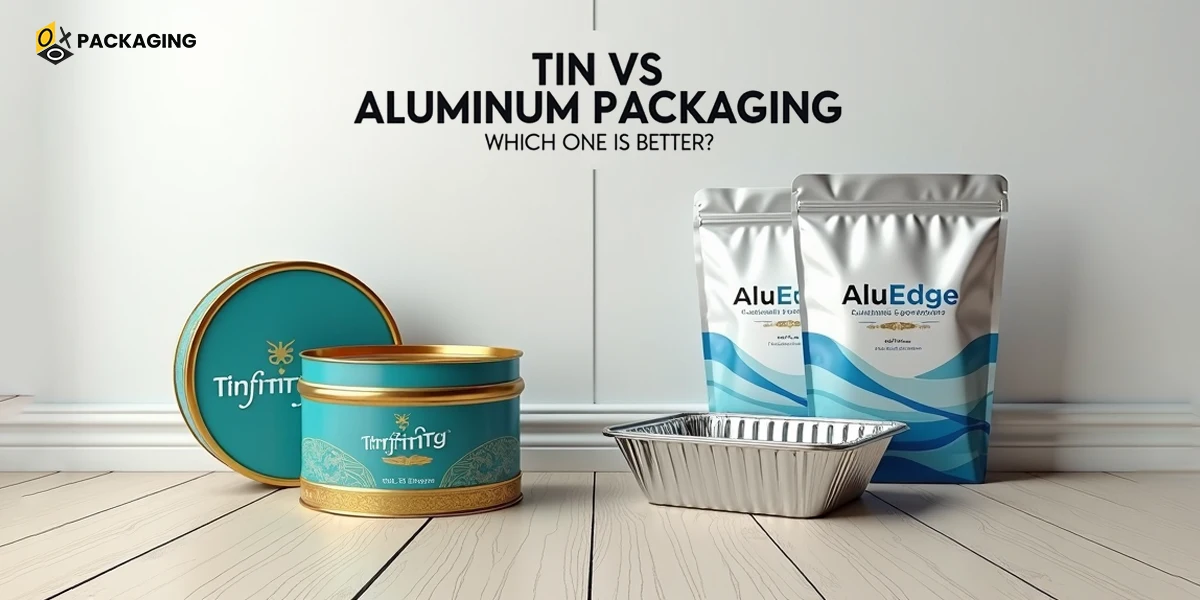
Metal packaging demand is rising due to propelling factors such as durability, brand differentiation, and reusability. These all factors exhibit a growth at a CAGR of 6.7%.
Read this blog, to learn the basics of these two packaging differences that might help you to choose one of the best options for your business.
What is Tin Packaging?
Tin is made from alloy-coated metal and contains barrier properties to withstand impact. These containers provide excellent and sophisticated presentation while preserving the food quality. Pack your food in these ideal tin boxes due to their non-corrosive properties.
Customize these containers in any size, shape, or style due to their flexibility and malleability. They are lightweight, portable, and used to prevent contamination. Store a variety of items in these tin boxes due to their ability to preserve freshness.
Tin packaging can handle impact during shipping and protect your food flavors for a long time. You can create them with amazing artwork and can bring more vibrancy to colors.
What is Aluminum Packaging?
Aluminum packaging is lightweight, flexible, and can be recycled easily. Due to their non-toxic, non-corrosion properties, these are highly used to pack and preserve products for a long time. These packaging are highly used in the cosmetic and pharmaceutical industry to prevent contamination.
It is a popular material used in metal packaging that can withstand impact during shipping. These boxes are made from aluminum foil that completely provides a barrier against external elements. You can make your metal packaging with these corrosion-resistant materials.
This packaging suits beverages due to its qualities and properties. Aluminum packaging helped in reducing overall carbon footprints. Customize these boxes in shape or style due to malleable properties and make your brand stand out. Wrap your food in aluminum foil and preserve your food.
Difference Between Tin and Aluminum Packaging
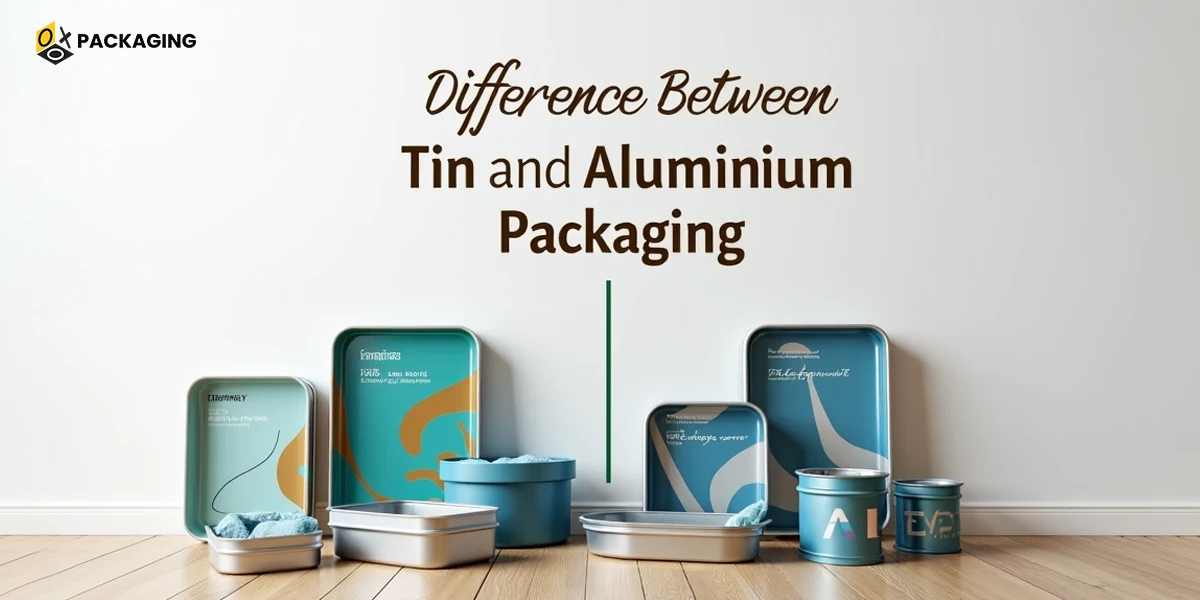
Comparing these two metals for packaging can result in premium and elegant storage containers. From physical appearances to bearing qualities, both metals provide excellent packaging solutions. But one property (a lower melting point) can make a huge difference while selecting the metal for their product packaging.
Both are lightweight, non-corrosive, and durable in protecting products from damage and increasing their shelf life. When it comes to manufacturing costs, tin containers are more expensive than aluminum containers and other packaging. The reason behind costly tins is its higher raw material cost.
One of the big differences between tin vs aluminum for food storage is the strength of these packaging materials. Aluminum is comparatively stronger than aluminum and provides better protection to its content.
These metal packaging contain various characteristics that make them both versatile and eco-friendly. Each packaging material has a unique advantage that depends on its industrial usage. In protecting and preserving products, tin offers more resistance to corrosion and reactive substances.
Below is a detailed difference between these two metal packaging that can help you understand better for your product:
Pros and Cons of Tin vs Aluminum Packaging
Neither tin nor aluminum is 100% perfect or imperfect. Each metal type has its own pros and cons. Let’s dive into them so that you can choose the right packaging for your items:
|
Characteristics |
Pros of Aluminum Packaging |
Cons of Tin Packaging |
|
Shipping Cost |
Being lightweight reduces shipping costs |
Heavier than aluminum, which protects products effectively but raises shipping costs to an extent |
|
Reactive Nature |
Highly resistant to corrosion |
Non-reactive in nature, but less corrosion-resistant than aluminum |
|
Recyclability |
Can be recycled repeatedly without loss of quality |
Has limited recyclability and needs extensive energy to get recycled |
By analyzing the above table, you see that the pros of aluminum become the cons of tin packaging. Similarly, the cons of aluminum become the pros of tin packaging. Have a look at them:
|
Characteristics |
Pros of Tin Packaging |
Cons of Aluminum Packaging |
|
Durability |
Provides robust physical protection |
Less durable compared to tin packaging |
|
Additional Coating |
The tin coating itself is non-toxic and helps resist corrosion. |
May need additional coatings to meet strict food-contact regulations. |
Applications of Aluminum vs. Tin in the Packaging Industry
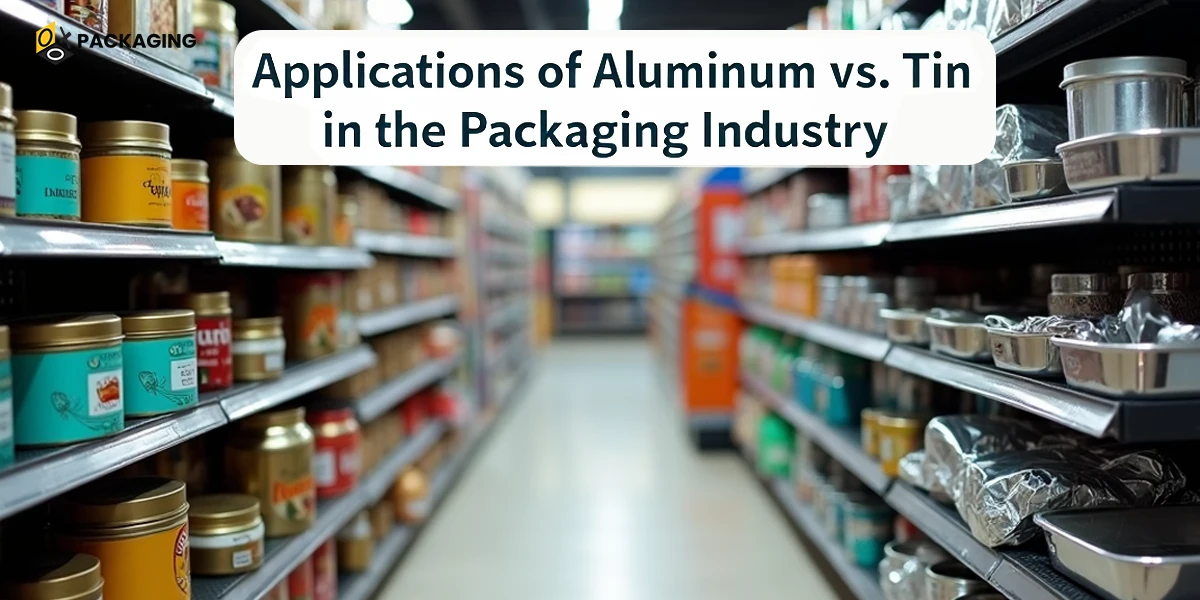
Both are popular in the packaging industry for storing, packing, and shipping products safely. Keep your items fresh and flavorful with these non-corrosive metal packaging. Personalize these boxes with various hues, prints, and styles to get attractive shelf appearances.
Both are used in various industries such as cosmetics, bakery, food, pharmaceutical, clothing, and more due to their characteristics. Get more reliable and flexible options in designing them in the desired shape to make your customer.
To make these boxes more charming, add gloss or matte finishes and apply a coat to make the outer surface shine. This packaging prevents corrosion and rust and extends your product's shelf life. Both are used nowadays and offer different properties and serve distinct purposes. Let's take a look at their usage and application in various industries:
-
Uses of Aluminum Packaging
The most common industrial use of aluminum packaging is in the beverage industry. Pack your soda, juices, sparkling water, and more items in these cans and preserve their quality. These contain barrier-resistant properties that prevent items from moisture, air, or oxygen.
Make smart packaging containers for takeout or delivery food boxes in restaurants. They enhance their customers' experience with these boxes and serve food in original condition.
Use these aluminum bottles to store deodorant, perfume, oils, and sprays to prevent external elements and prevent hazardous situations. Store your cosmetics in these aluminum containers and use foil in plastic containers to prevent contamination. Further, you can create aluminum water bottles, foil packages for snacks, and aluminum cups.
Other than the food packaging industry, aluminum packaging materials is also considered one of the top choices. Some popular industries include, sports, aerospace, and automotive industry. This is due to the fact that this packaging material has more strength, offers better protection, and above all carries less weight.
-
Uses of Tin Packaging
Using tins in industries enhances their image among customers as they are heavy and more durable. Create tin boxes to store various products such as chocolates, snacks, spices, sweets, candies, candles, medicines, and more.
Apply various coatings on the outer surface and make your brand stand out. Tin packaging is commonly used in the oil industry, gift stores, soap or detergent industry. You can create boxes in distinct shapes and present your cookies in mate surface tin boxes to impress your customers.
Need Aluminum and Tin Packaging at Wholesale?
Whether you are looking for aluminum or tin packaging for your product packaging, chat with us and tell us your detailed requirements. Irrespective of the quantity, we provide you with premium-quality metal packaging. Still have queries to choose between aluminum and tin packaging, count on us!
Neither tin nor aluminum is definitively "better". Each one has different strengths. Aluminum is lighter, more recyclable, and cheaper for widespread use in items like beverage cans. However, traditional tin-plated steel cans are stronger and offer better protection for certain perishable goods.
Tin is still used. But it is not as common for everyday items. The reason is that tin is expensive, soft, and can impart a metallic taste to food compared to aluminum packaging. That’s why brands and consumers prefer aluminum over tin.
The main disadvantages of tin packaging are its higher cost, greater weight, and susceptibility to corrosion. Despite being durable and strong, tin becomes heavier and raises the shipping costs as a result.
This is because aluminum became a cheaper, lighter, and more versatile material due to advancements in its production. Aluminum foil also does not impart a metallic taste to food, and its abundance makes it a more sustainable and cost-effective choice than tin.






 Let's Call