


Learn from the Top 20 Questions Related to Mylar Bags
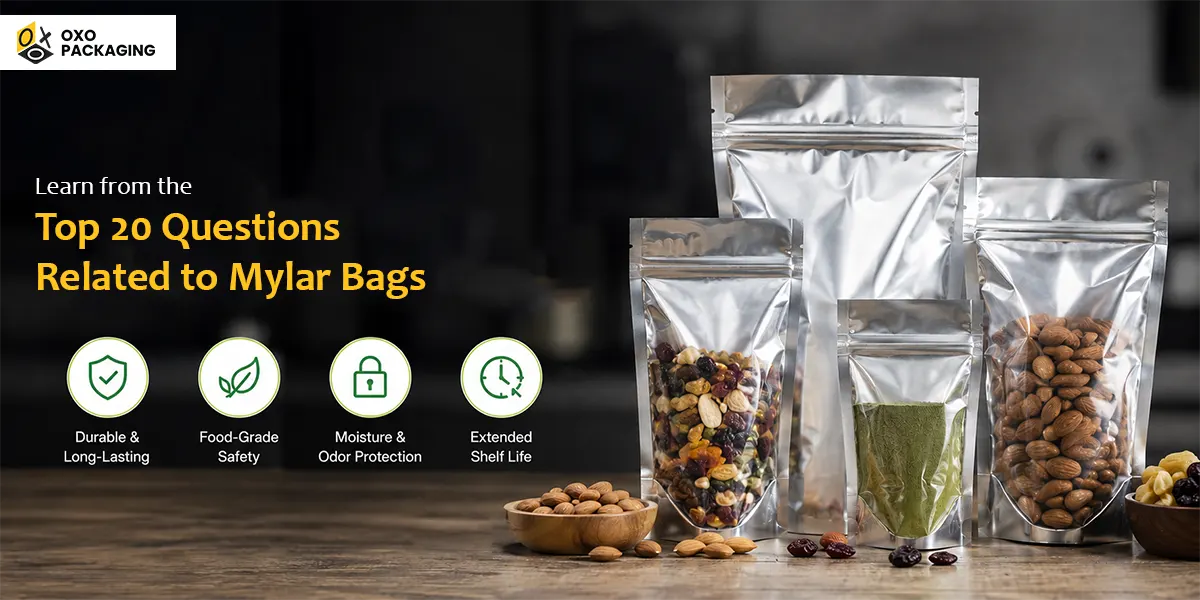
Mylar bags are one of the ideal packaging solutions that last for years and don’t compromise their integrity at all. Having the ability to pack a range of consumables and usable items, these bags are the go-to choice for all industries. Here in this blog, we’ll cater to some of the top questions that you’ll find insightful. So, read on to know more in detail.
The Top 20 Queries About Mylar Bags That Clarify Most of Your Confusions
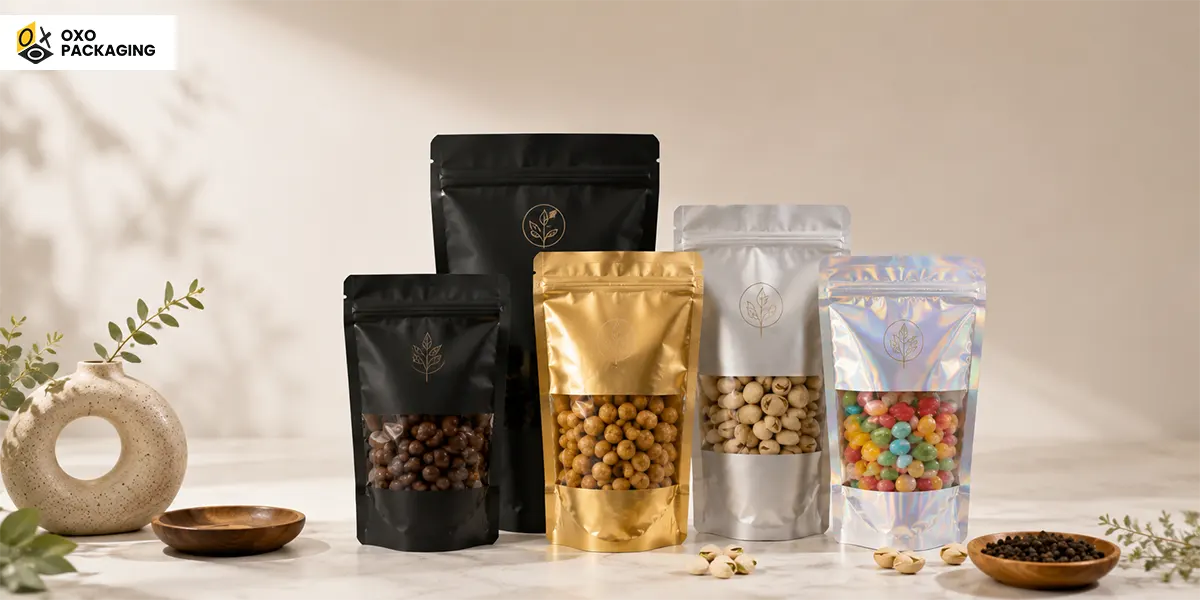
If we start listing down every query related to the mylar bag, the lists may go on and on. But below we’ve mentioned the most unique ones that cater to a major share of your queries.
01. Are Mylar Bags Harmful for Food Content?
Not at all. Rather, mylar packaging is one of the ideal solutions for food content. Since the packaging material is food-grade, it features top-level hygiene to retain the freshness and richness of the food content. While from the compliance side, they’re also the top option, which is not only affordable for brands but also offers convenience to end users.
02. How Can You Pack Food in Mylar Bags?
The packaging of food content depends upon its preservation demands. For instance, most of the food items can be simply packed in the mylar bags. While the typical steps to perform this activity are as follows:
- Pour the food into the mylar bags
- Add oxygen absorbers, as they don’t let the bacterial activity thrive inside
- Seal the mylar bag as it will preserve the freshness of food items
- Store the bag in a moderate temperature spot and a dark place to maximize its shelf life
03. What is the Right Way to Use Mylar Bags?
The usage of the mylar bag depends on its type. Some of the common uses of the mylar bag are:
- Selection of the Food Items (under 10% moisture)
- Filling and Adding Oxygen Absorbers
- Squeezing and Heat-Sealing
- Storage and Labeling
- Retrieval of the Content
04. Can We Reuse Mylar Bags?
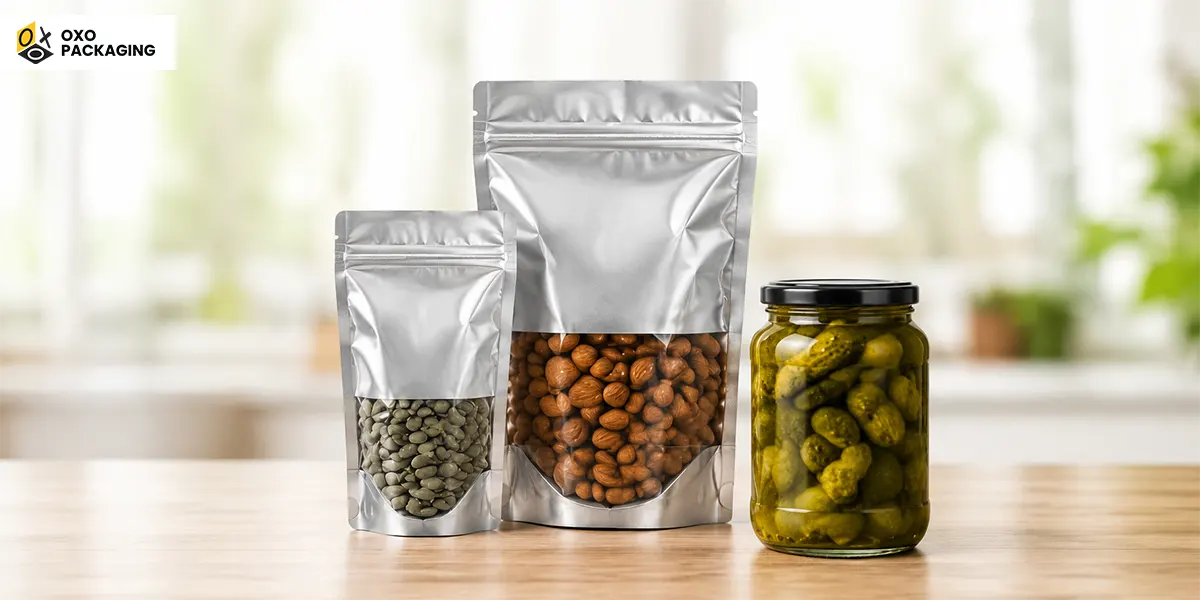
Yes, mylar bags are usable not only once or twice, but multiple times. This minimizes the demand for new packaging every time, which pays back in the optimization of resources. While the reusing of the mylar bags is a no-brainer if the bags are equipped with a zipper or resealable features.
However, the main concern is whether we should reuse the Mylar bags or not. Then it depends, as if the content is non-liquid and in raw form, then the pouches can be used. While there was some semi-liquid or full liquid content packed as pickles, jams, and so on. It’s recommended to avoid using the same pouch to keep the authenticity of new items.
05. Do Mylar Bags Leak Smell?
Many brands are concerned about the preservation of their products at their best. They demand that their product be presented to their customers in the best state, and there’s no chance of a bad impression from their side.
Thankfully, mylar bags feature a foolproof solution that entirely resists the air from inside out and vice versa. That’s how the contents packed in the bag don’t leak any aroma nor catch any smell from the environment it’s being stored in.
06. What are the Ways to Seal Mylar Pouches?
There are many ways to seal a Mylar pouch. But the ideal one depends upon the scenario and the content packaging needs. For instance, some of the top methods may include:
|
Sealing Method |
Best Suited For |
Requirements & Setup |
Pros |
Cons |
|
Impulse Sealer |
Commercial use/bulk storage needs |
Electric jaw-style heat sealer (375° F - 420° F) |
Highly uniform & consistent |
Requires a power source |
|
Household Iron |
Beginners & small batches |
Standard clothes iron + flat wooden board |
Highly accessible |
Slightly higher seal failure rate than sealers |
|
Hair Straightener |
Small Mylar bags |
Metallic hair straightener (380° F - 400° F) |
Easy for narrow bags or quick fixes |
Not ideal for large pouches |
|
Vacuum Sealer |
Resealable zip-lock bags |
Chamber vacuum sealer |
Removes air mechanically |
Standard vacuum bags/sealers don't work natively |
07. What Items Shouldn’t Be Stored in Mylar Bags?
Though mylar bags are a functional solution for packaging needs. But some food items must not be packed in these bags. These items may include:
- High moisture food
- Vegetables/Fruits
- Dairy products/meat
- High-fat/Oily items, etc.
Though you may see some of the mentioned items in the mylar bags, they’re preserved in an ideal environment for long-term storage needs. The main threat is the moisture that leads to mold growth inside the packaging and spoils the contents at a rapid pace.
08. Can we freeze a Mylar Bag After Storing Content in it?
Freezing is one of the ideal ways to preserve the content for the long term. It ensures the food content stays in the best condition without losing its nutritional value and taste. For some, they consider the regular freezer bags for this job, which in itself is a good option to consider, but the mylar packaging is a first-class solution that is designed for maximum protection of the contents.
- Note: Mylar bags can be stored in temperatures ranging from -18°C (standard freezer) to roughly -78.5°C (dry ice).
09. Is it Necessary to Remove Air from Mylar Bags?
The removal of air in the mylar bag is optional, as per the content being packed in it. But it’s recommended to utilize the excessive air as it accommodates unnecessary room and can burst during logistics.
Technically, the bag contains around 78% nitrogen and a mere 21% oxygen, which leads to the degradation of the food and staleness of the content. So, if more air is present, the chances of degradation of the content arise.
10. Which Printing Methods are Used for Mylar Bags Packaging?
The usage of the printing technique varies depending on the packaging production levels. On a commercial scale, the direct-to-bag printing method is one of the reliable techniques that relies on white toner printers to stamp the design onto the packaging.
Likewise, for short runs, businesses tend to benefit from the Direct-to-Film and laser printing methods as it’s much more convenient for the job. While whatever technique is being used, they’re injected with material-compatible inks so the color consistency isn’t compromised by any means.
11. What is the Role of Oxygen Absorbers in Mylar Bags?
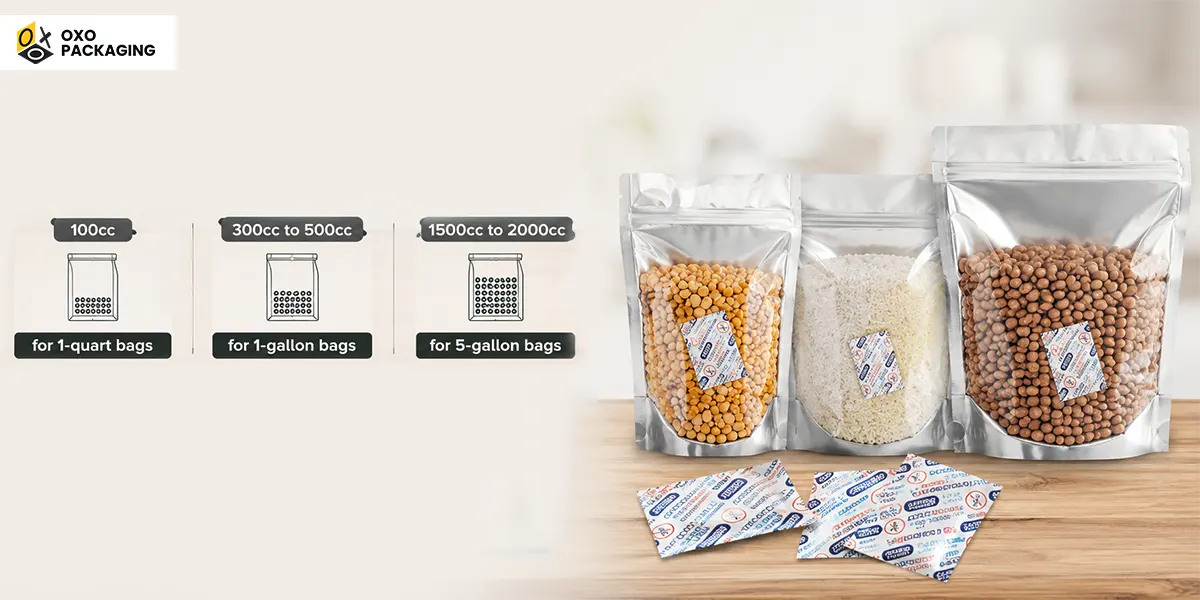
Just like we utilize the air-removal process to extract the air from the mylar pouches. The oxygen absorbers are the modern version of the same task. It sponges up the air that can become the root cause of spoilage. While they may lose their efficiency if used for high-sugar or salty food.
Since there are multiple types of oxygen absorbers available, below is the ideal usage demand as per the bag’s capacity:
- 100cc for 1-quart bags
- 300cc to 500cc for 1-gallon bags
- 1500cc to 2000cc for 5-gallon bags
12. What can be the Reason Behind Mylar bags not being suctioned?
Once the air absorbers are added to the bags, they start absorbing the oxygen. If this pattern doesn’t happen, there's a chance that either the bag is too large or the absorber’s capacity. Or the absorber has expired and is no longer functional as it should be. That’s why the optimal way to cater to this is by adding a new oxygen absorber and retaining the content to its best.
13. Are Mylar Bags Good for Cereal Packaging?
Yes, mylar bags are considered a top choice for cereal packing needs. Since its material is ideal to preserve the freshness of content, the cereal retains its taste, crunchiness, and nutrition inside. Also, brands can opt for oxygen absorbers that enhance the preservation to the next level.
However, as discussed, mylar pouches work well with the low-fat food content. If there are high levels of oil in the cereal, then this packaging solution may not be ideal.
14. Can We Utilize the Punctured Mylar Bag?
The chances of a mylar bag being punctured are very rare and uncommon due to its resistant surface. If this happens, there’s no way to utilize the same pouch again. If you think the DIY fixes will work, then it may, but that’s not recommended at all.
Especially, for the food packaging relying on a compromised mylar bag is full of risk as it can cause the spoilage of the contents that starts within hours. So, a punctured pouch is always a big no at any scale.
15. What Extent Does Mylar Bag Block the Light?
The opacity of the light blockage of a mylar bag depends upon the thickness of the metallized aluminum layer. Multi-layered pouches block the light up to 100% along with the UV rays and infrared radiation. While some bags are designed for transparency, which features a more aesthetic design rather than acting as a reflective shield.
Food-Related Mylar Bag Queries
The usage of mylar pouches is widespread in the food packaging industry. Below are some of the common foodstuffs along with their shelf.
|
Query # |
Shelf Life in Mylar + Oxygen Absorbers |
Key Considerations |
|
16. How Long Does Rice Last in Mylar Bags? |
Up to 30 years |
Avoid storing brown rice long-term as its natural oils cause it to spoil in 1-2 years. |
|
17. How Long Will Beans Last in Mylar Bags? |
25 to 30+ years |
Ensure beans are completely dry before sealing. |
|
18. How Long Do Lentils Last in Mylar Bags? |
25 to 30+ years |
Like beans, they must be perfectly dry with less than 10% moisture content for maximum longevity. |
|
19. How Long Does Pasta Last in Mylar Bags? |
10 to 20 years |
Some pasta may become brittle over time. Noodle shapes will determine optimal bag sizing. |
|
20. How Long Does Flour Last in Mylar Bags? |
5 to 10 years |
Whole wheat flour contains natural oils and will only last about 5 years; refined white flour can last up to 10+ years. |
The Bottom Line
We hope that now you have a comprehensive understanding of mylar bags and what their dos and don’ts are. If there is still any query running in your mind, you can ask our experts by dialing (510) 500-9533. If you want to get a premium-quality mylar packaging solution, OXO Packaging has you covered with endless customizations. Reach out to us and let’s develop something that lasts for years and beyond.







 Let's Call