


Top Packaging Trends: Ideas Shaping the Future of Packaging Design
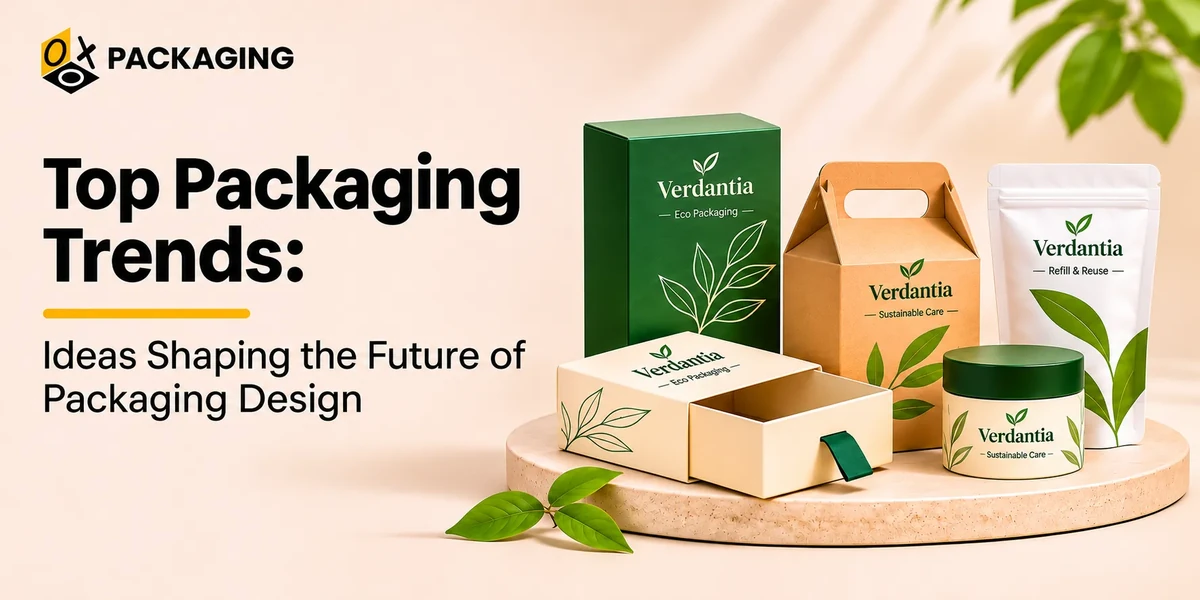
The evolution of packaging is parallel to the products and customer demands. Every year, new inventions come out and some may vanish as they’ve never existed, but the main aspect that counts a lot is the adoption of new designs and ideas. In this blog, we’ll explore upcoming packaging trends and the features that will outshine your presentation game. So, let’s read on.
What Change in Packaging Trends So Far?
If we summarize the packaging timeline, it’s not just getting more impressive, but there’s a lot of groundwork being done to make it sustainable. Previously, the materials that build the robust packaging are now replaced with the biodegradable options with similar levels of properties.
The shift towards the planet friendly solutions isn’t just a marketing gimmick but rather the need of the hour of the brands and the people. Both understand the importance of a cleaner and greener environment and how it can contribute their efforts for a united vision.
Top Packaging Trends That Will Last in the Upcoming Years
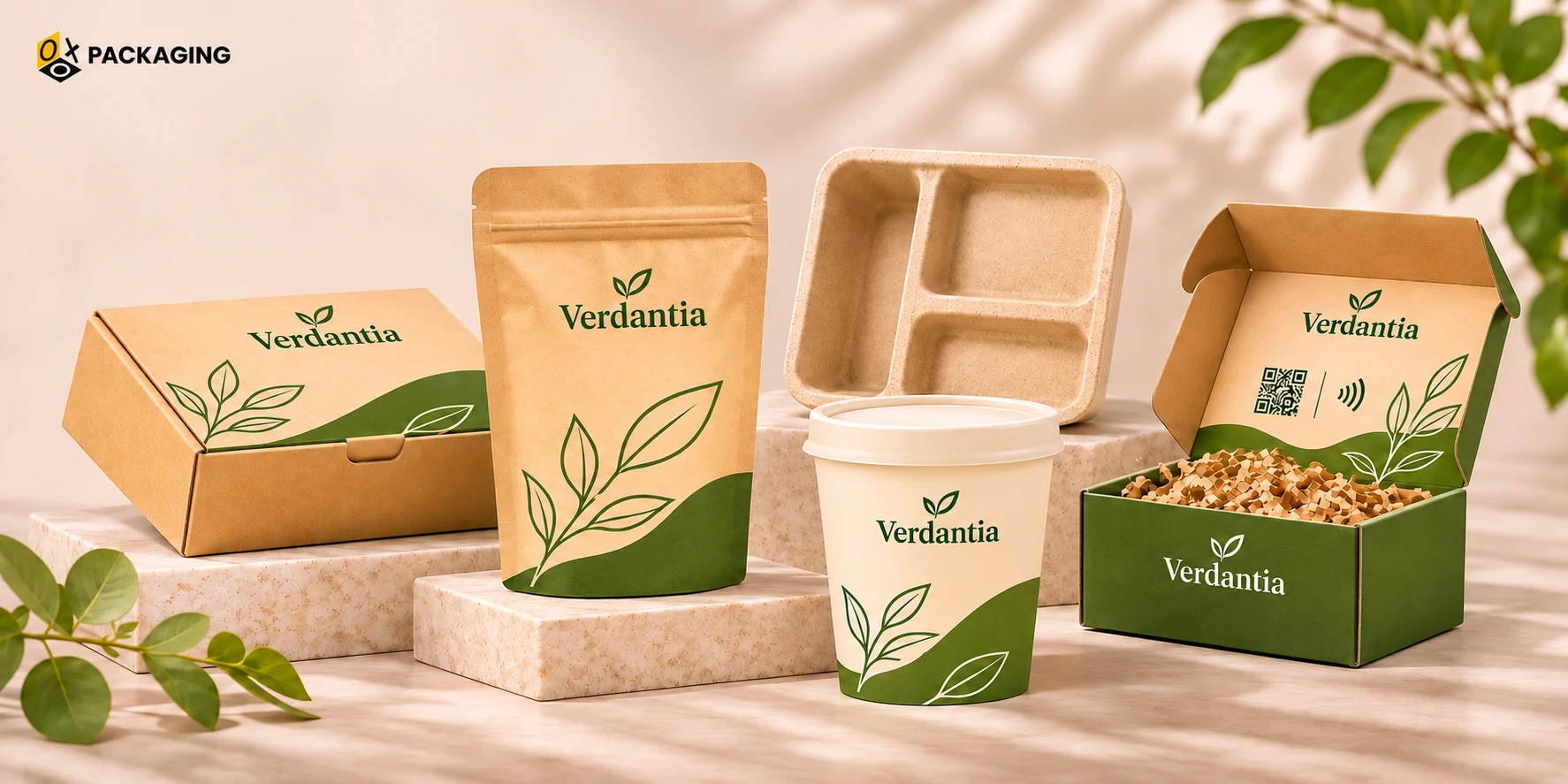
As you understand why packaging trends are changing as we’re getting more into the technological era. Below are some of the trends that will lead the packaging market in the upcoming years for sure.
-
Shift Toward Mono-Materials
First of all, the custom packaging boxes, bags or containers, they’re all crafted from the combination of multiple ingredients. Each of them offers unique properties to build a reliable solution. But most of the time, some materials demand extensive processing to turn them into a reusable state. The extra resources to cater them post-usage makes them highly unreliable options in terms of planet-friendliness.
That’s why all of the upcoming packaging trends are based on the single DNA of materials that are easy to make and easy to demolish as well. Also, it doesn’t demand any complex setups to break them down in a reusable state.
-
Smart Integration
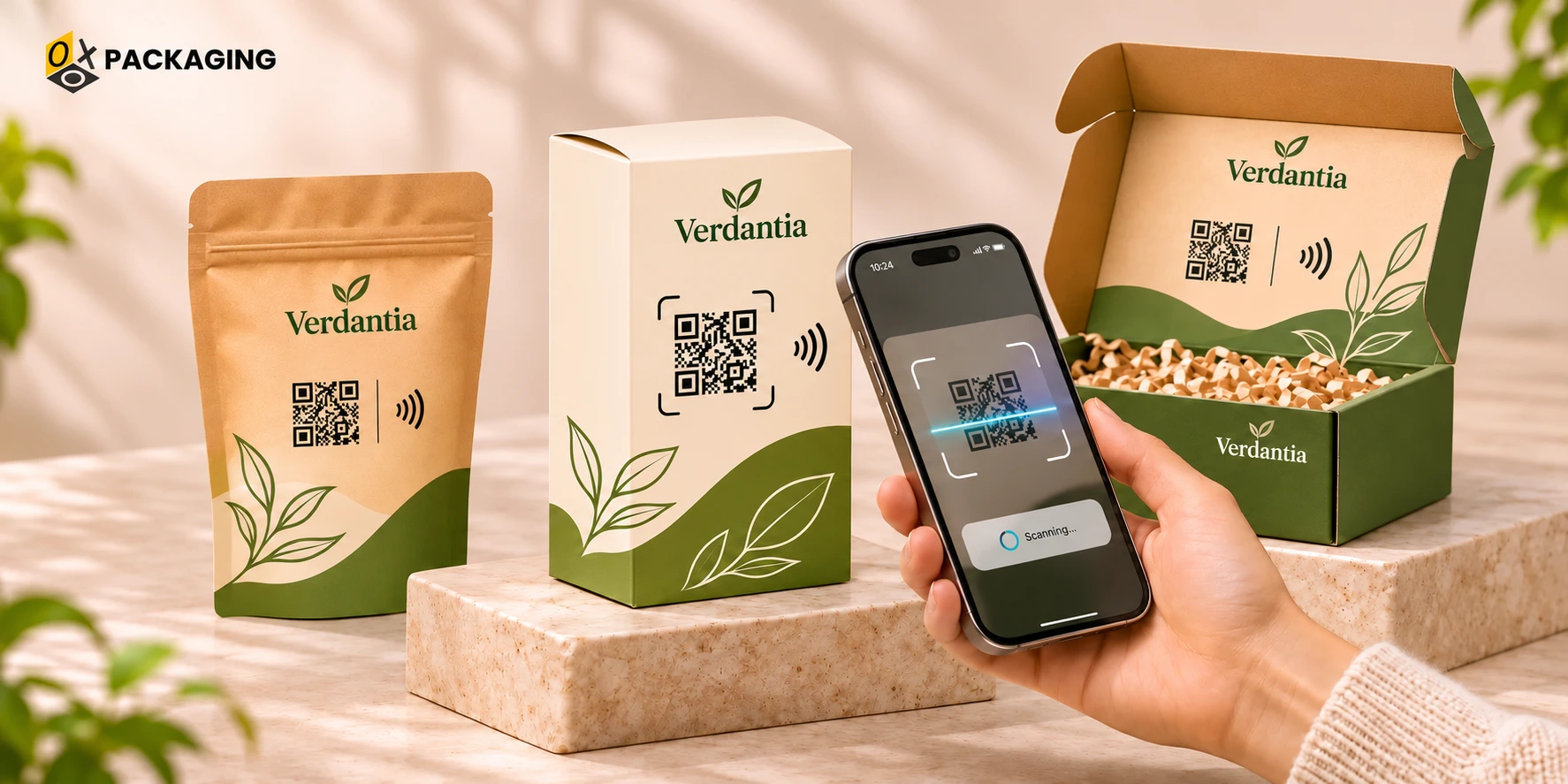
The addition of digital features in the packaging were limited only to the tech gadgets or high-end products which are packed in custom rigid boxes. But now more brands are counting on it to make their offerings more interactive and get the maximum response from the customers.
Now, within a scan away the buyers can access the world of content about the product including its ingredient details, manufacturing processes and the tutorial to use it. These are the common customizations for the packaging. While the integration of NFC tags makes the boxes more tech-oriented as the users are just a tap away to perform the pre-set activities.
-
Material Reduction
Customers may think of it as a cost-cutting approach that brands consider for their packaging solutions. While that’s not the case here, as the lightweight packaging is beneficial for all of the stakeholders associated with the brand.
For instance, the usage of less material saves natural resources, builds lightweight packaging and reduces freight costs. For a moment it may seem like a conceptual thing, but in actuality it’s the win-win approach for the people and the planet. Also, it fits perfectly for the packaging that demands not much attention to detail in all aspects, such as custom food boxes.
-
Circular Solutions
Beyond the sustainable materials of the packaging, there’s still something missing for the products which are packed and presented in the plastic-based bottles and tubes. Since they’re developed for a single use customer have to purchase them again to use them
Thankfully, brands are now offering refillable bottles and tubes which are just one twist away for a refill. This means that the customers don’t have to purchase the item every time but to consider the existing primary packaging for future reuse.
Some of the optimal examples of them are in the skincare industry in which the bottles of shampoo, serums and lotions can be refilled. The customer just has to visit the outlet of the brand they’ve purchased the product from, and they will get the content without paying for the bottle once again.
Note: Though the concept is not fully operational within the industry, once the users demand for it more brands will consider it for sure. While for the online sales, the optimal approach can be the brand sends the filled content tube/jar to the customer and they send the empty one back to the brand.
-
Minimal Designs
The simpler the packaging, the better it appeals to customers. While some products demand trendy and stunning boxes and bags, most of the time the minimal designs bring the best ROI. For brands who want to showcase their items in an aesthetically pleasing manner, the design of the packaging directly impacts their sales and customer’s response.
If we give a one-liner for the minimal packaging designs, then it will be clean, impactful, and persuasive. Once the brand’s offering is appealing to the end-customers the chances for their purchase get much higher. Because if the item doesn’t present well on the shelf there’s no way it will impress the actual users.
The Bottom Line
All in all, we hope now you better understand the upcoming packaging trends and how it can impact the brand’s growth and their customer’s behaviors. If you’re unsure about what works well for your brand and what don’t feel free to consult with our packaging experts. Contact us today by dialing (510) 500-9533 or writing your query to sales@oxopackaging.com for a detailed response.
There’s no such specific timeline for packaging design as it all depends on multiple marketing factors. Some brands change their packaging after some time, while others pursue the same for years to showcase their distinctive original authentic design concept.
The changing of packaging trends is mostly common in food and beverage items. While in the e-commerce industry, the presentational demand curve changes as the brands have to tackle the upcoming demands of the customer side.
The appearance of the packaging has a great impact on the customer’s behavior. Some may like the new design and others may not. But the actual thing that pays off is the brand’s persona, which users develop after their experiences.






 Let's Call