


Window Patching: A Package’s Storefront
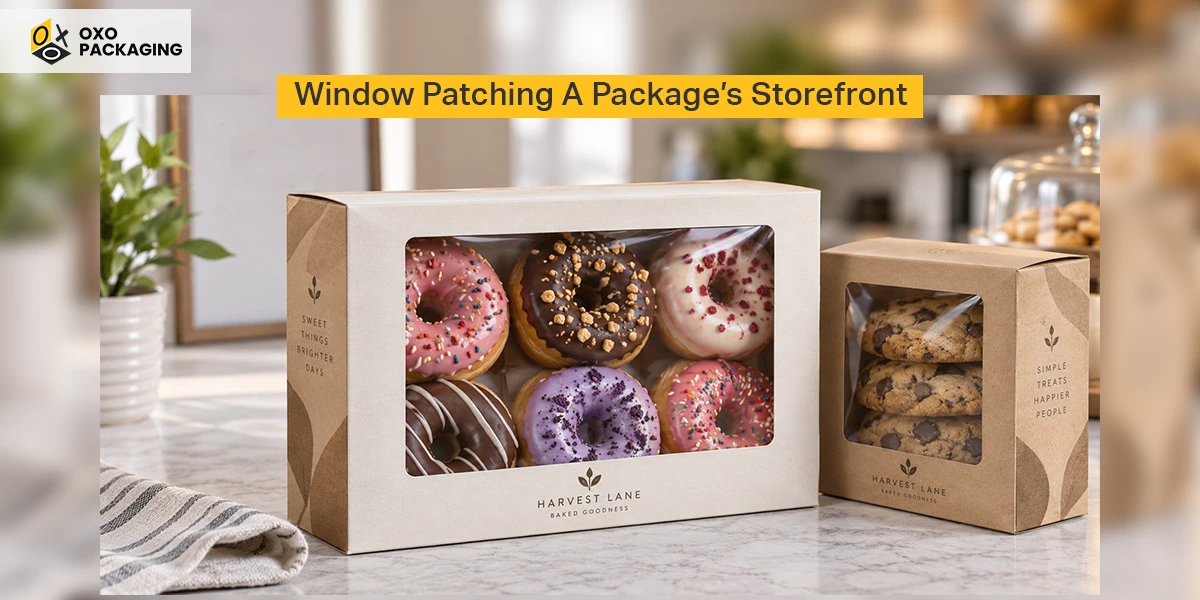
What gets seen sells faster in the current competitive market. Visible products catch the buyer's eye faster than printed pictures. They encourage on-the-spot purchases. When a shopper sees a real product instead of a photograph, their brain processes the information differently.
An eye-tracking study published in PubMed Central (PMC) measured how people react to real items via transparent window packaging versus printed photos on boxes. Real, visible products attract visual attention much more rapidly than printed product images.
That’s where window patching comes into play. It helps you build consumer trust and increase purchases. Explore here!
What is Window Patching?
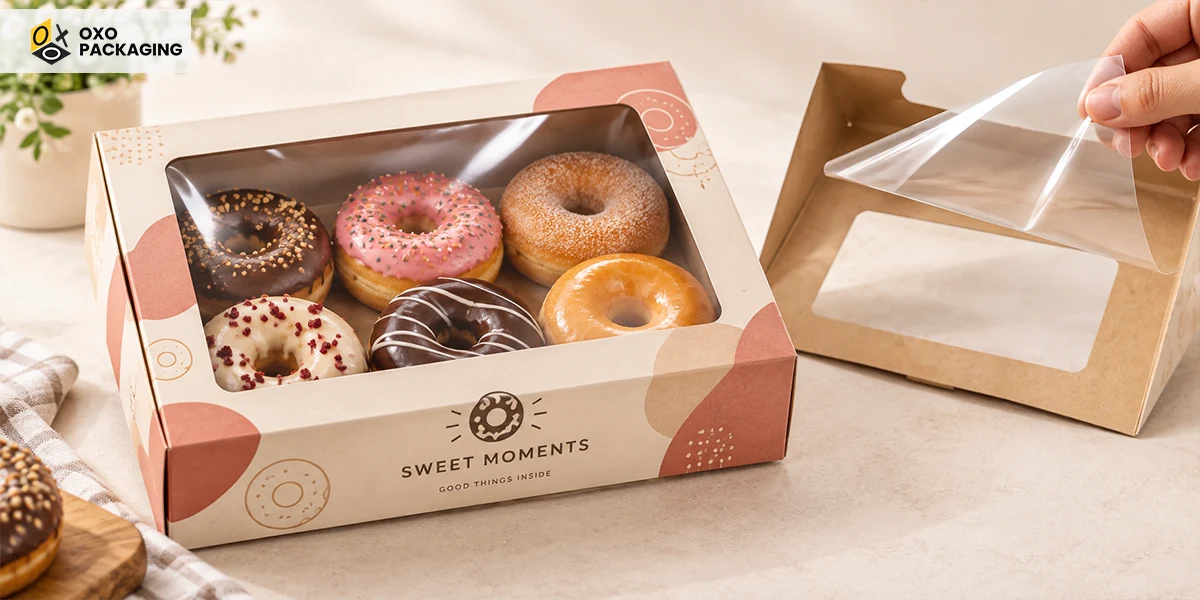
Window patching is like giving a cardboard toy box a little clear plastic sunroof so onlookers can peek inside without opening it. Imagine you are at the store looking at a box of colorful, delicious donuts. You do not have to guess what they look like, and you do not have to rip the box open.
Why? Because there is a clear, shiny plastic window built right into the top of the box! That clear window is the result of window patching. Talking about window patching, it applies a thin plastic film over a die-cut opening in a box so customers can see the product inside without opening the package.
Key Benefits of Window Patching
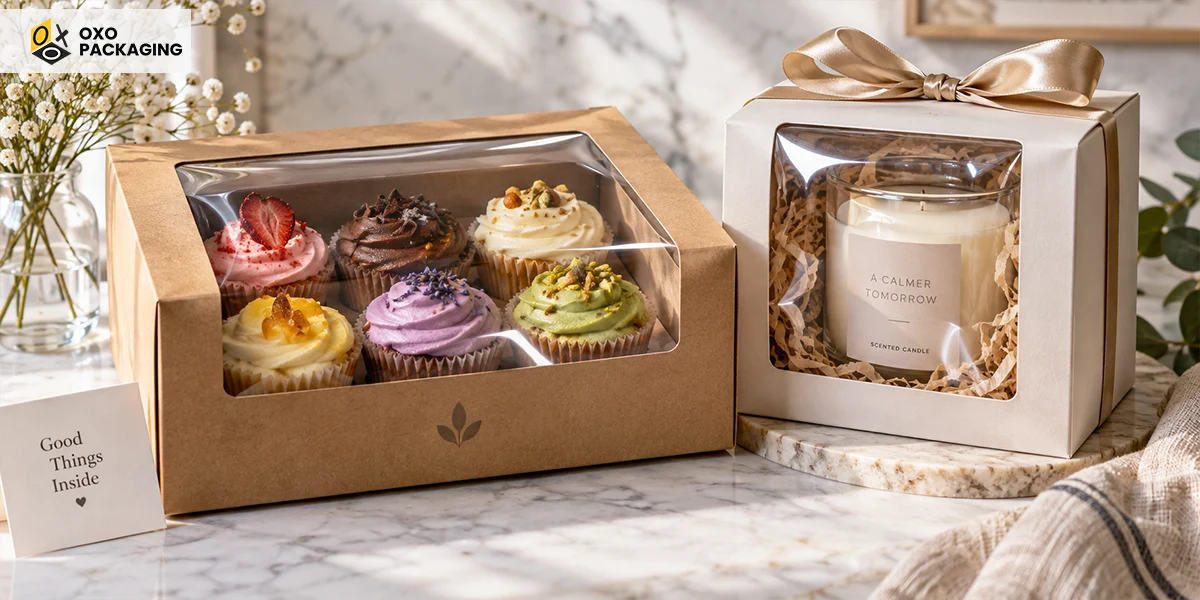
Wondering why window patching works like a superpower for your products? Here are certain reasons brands like yours love window patching, such as:
-
Boost Buyers Confidence
Shoppers are naturally skeptical of perfect product photos. A window patch eliminates doubts by offering total transparency. It acts like a literal window into your product. Instead of asking shoppers to blindly trust a picture on a box, it lets them see the actual item before they spend a dime.
The window patch shows customers the actual color, texture, and size of your item. So shoppers know exactly what they are buying. They do not feel cheated when they open the box at home. As a result, window patching frames your business as open, reliable, and authentic.
-
Protect Your Contents
Imagine a shopper walking down a crowded store aisle. They want to buy your product, but they also want to see exactly what they are getting. Window patching is the ultimate packaging warrior against all odds. It places a clear, tough plastic film over a die-cut cutout on your cardboard box.
This smart design creates the perfect balance: total visual clarity and maximum physical protection. The clear film seals the opening completely, keeping airborne grime, debris, and lint off your pristine product. It creates a barrier against humidity and accidental spills during shipping or shelving.
-
Elevate Your Brand Appeal
Modern customers naturally distrust hidden products. However, window patching bridges the gap between doubt and trust. By allowing shoppers to see your actual product without opening the box, you replace guesswork with immediate desire. But plain boxes fade away next to a dynamic window display.
Smart brands show their products have nothing to hide. They show that their business cares about every design detail. For example, UrbanStems uses custom window packaging and artistic design boxes to protect delicate floral arrangements and elevate the unboxing experience.
Common Film Materials for Window Patching
Since you have realized the importance of window patching when it comes to product presentation, now consider what materials are used to make them:
-
PET (Polyethylene Terephthalate)
PET is a leading choice due to its exceptional clarity, lightweight structure, and structural strength. It is food-safe and widely recycled, making it ideal for retail, cosmetics, and food packaging, though it can be prone to light surface scratches.
-
PVC (Polyvinyl Chloride)
PVC offers superior resistance to scuffs, wear, and heavy handling. However, it is not UV-resistant and can degrade or emit an odor when exposed to sunlight, meaning it is generally avoided for food products.
-
Polypropylene (PP)
PP handles folding and creasing exceptionally well without losing transparency. It is a frequent choice for candy, snacks, and baked goods. If you want your products to fly off the shelves while staying perfectly protected, this material is your secret weapon. It gives customers a crystal-clear view of your product inside the box while keeping the packaging tough and affordable.
-
Glassine
Glassine is a translucent, glossy paper-based derivative favored for greasy foods such as bakery or oily food items. For decades, brands had to make a frustrating compromise. If you wanted a “window” on your box or envelope so customers could see your product, you had to use plastic film like PVC or PET. This single choice ruined an otherwise eco-friendly paper package, making it difficult for consumers to recycle.
But glassine changes everything. It is a smooth, glossy, translucent paper made completely from wood pulp. It lets you show off your product while keeping your entire package planet-friendly.
-
Polyethylene (PE) & Polyolefin
These materials give your packaging the perfect mix of crystal-clear views and unbreakable strength. Polyolefin is a premium plastic material. It is popular for being incredibly clear and strong. Polyethylene is the most common plastic in the world. It is the best choice when you need flexibility and heavy-duty protection.
How Does Window Patching Work?
Here is exactly how this game-changing process works, step by step:
- A custom shape is cut into the front face of a paperboard or cardboard box.
- Specialized high-speed machinery, such as those by Heiber + Schröder or Kohmann, feeds flat box blanks and precisely aligns and glues a transparent film reel over the opening at speeds up to 375 meters per minute.
- Electromagnetic energy or quick-set glue bonds the film instantly with little to no drying time required.
Wrap Up!
Don't hide what makes your product great. Window patching builds customer loyalty and boosts sales. Let OXO Packaging help you create perfect window-patched boxes that keep your products secure while giving shoppers a crystal-clear look at your premium quality.
Window patching is a packaging and printing technique where a clear plastic or cellophane film is glued over a die-cut opening in a paperboard box or carton.
Use a specialized machine to glue a clear plastic film over a cut-out hole in a flat paperboard box or carton.
The purpose of window patching is to apply a transparent plastic film over a die-cut opening in product packaging, allowing consumers to see the item inside while keeping it protected.







 Let's Call