


A Simple Guide to Learn the Difference Between Embossing Vs Debossing
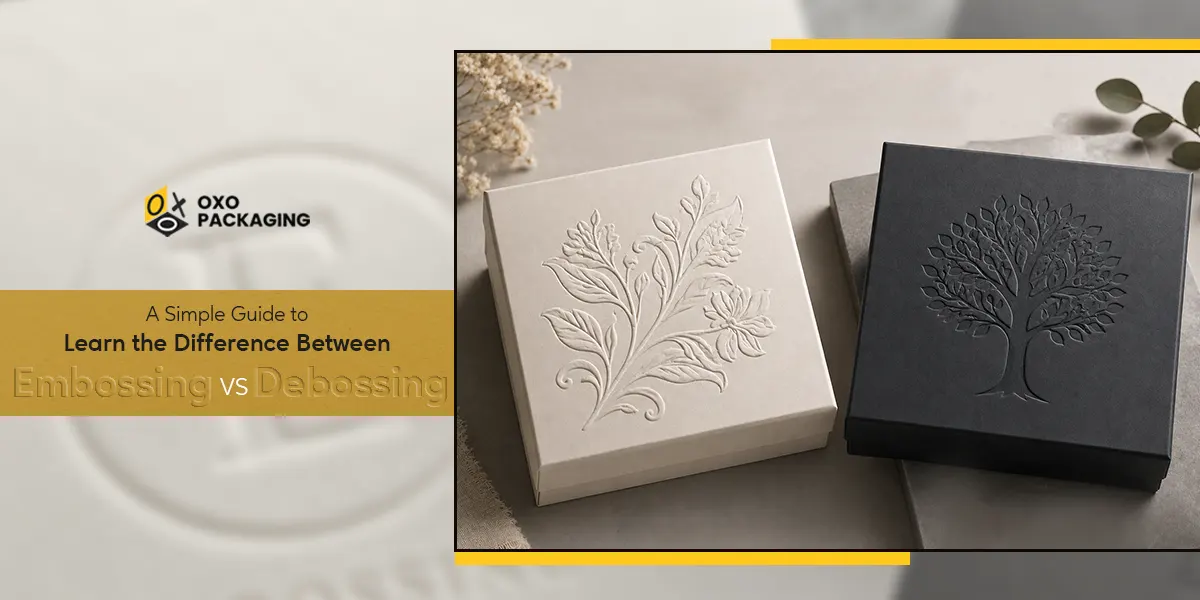
Embossing and debossing are two great techniques to glorify your printing results on the packaging of your products. You can choose any of these two techniques to leave a lasting impression on your customers and create a sophisticated, elegant, and premium look for your products.
Read this article to learn the difference between debossing vs embossing and get their detailed insights for smart usage of your brand.
What is Embossing?
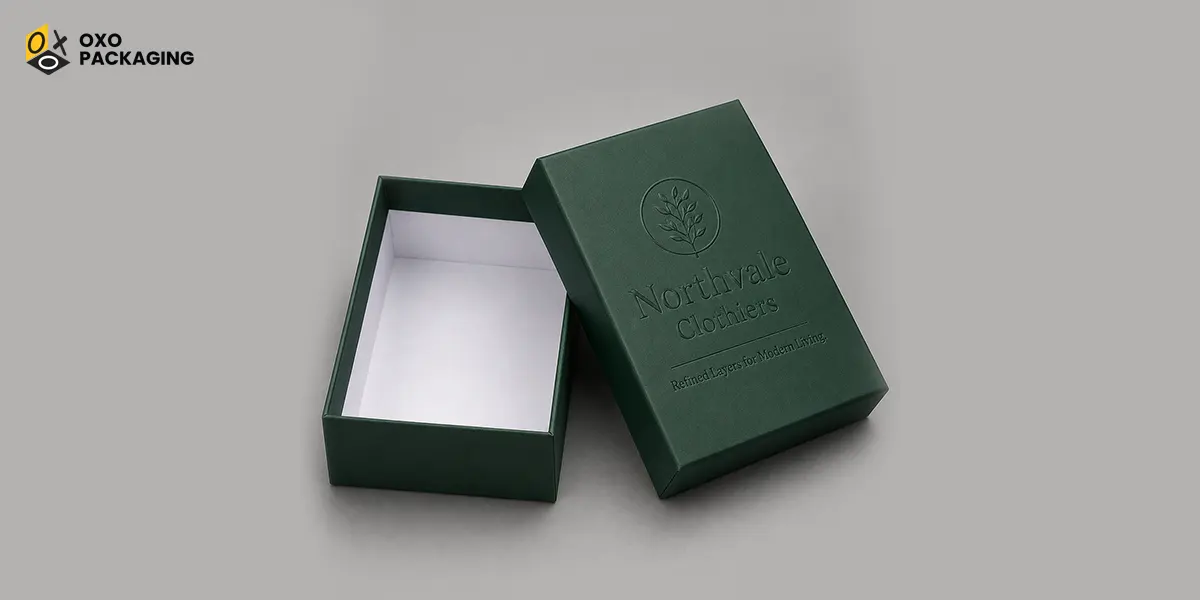
A metal die is used to stamp from the bottom or the reverse side of the surface materials to stand out. Embossing is a great choice to enhance your product's perceived value, create a luxurious outlook, and differentiate your brand in the competitive market. You can add textures to greeting cards, invitations, gift items, or corporate logos on your corporate gift items for brand promotions.
What is Debossing?
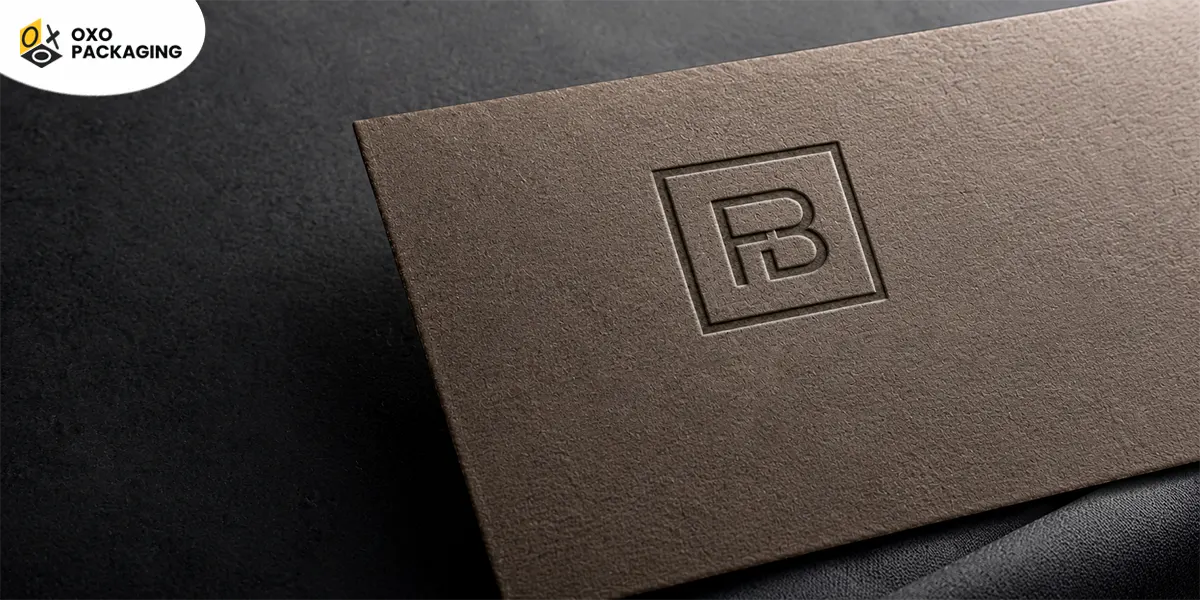
Debossing is another amazing technique, used to design sunk into the materials. This technique is ideal for modern business cards, leather goods, and premium products or their packaging. A metal die is stamped from the front side of the surface materials, unlike the embossing technique.
Process of Embossing and Debossing
Embossing and debossing are simple and easy techniques for the application on different surfaces to create an amazing and appealing outlook. You can produce the perfect effect of embossing or debossing to enhance your brand presence, leave a lasting impression, and improve the display of your products. All this you can achieve by partnering with a reliable custom packaging solution provider in the USA. The following are the two separate application processes to meet the different requirements of the debossed vs embossed printing and finishing technique for your brand:
-
Process of Embossing
The embossing technique is generally used on quality paper, cardstock, or leather, or some other high-quality packaging or printing paper. First steps of producing an embossed effect on your desired surface for the packaging, cards, or leather book covers to stand out, is the creation. At least two dies are used to create a sandwich with the two dies taking the base material inside for the desired embossed shape. And then press the dies to create the design above the surface.
-
Process of Debossing
The process of creating a debossed impact on the surface of the desired base material is almost the same, with a bit of difference. You can produce an effective debossed impact by taking only one die press it from the front to leave an impression. In the debossing process, you need to get only one die to press from the front side, which enables you to choose thicker materials for your debossing impact.
Considerations for Embossing and Debossing
Before you finally craft the deboss vs emboss effect on the required surface, you need to consider the following important factors:
-
Select the Space for the Design
Consciously select the space for your design to print. This will help you enhance the visibility and attraction of your emboss vs deboss leather effect. Just imagine a premium custom embossed gift packaging made with a high-quality embossing technique with gold foil, can significantly enhance the customer experience.
-
Create a Simple Design
Create a simple design and its artwork. This will help you craft a perfect impact on the surface you choose for a creative, attractive, and unique embossed or debossed effect with foiling or printing options.
-
Multi-Level Embossing or Debossing
In case you need to print multi-level embossing or debossing, ensure you have created the first level layer with a wider embossing or debossing impression on the surface. This will effectively present the other layers on the material surface.
-
Use Heavier Base Material
Lighter material can create an embossed or debossed effect, but the real elegance will come from the surface with the thicker materials. Especially when you are focusing on the debossing impact, you should make sure to choose thicker material, as you do not need to select two dies, one at the bottom and the other on the top of the packaging material.
Applications and Uses of Embossing and Debossing
Embossing or debossing are premium quality finishes that help you stand out with the elegant, sophisticated, and tactile appearance of your products and brand. You can create a highly tactile 3D effect. Embossing is a more preferred technique, and this is mostly used on paper or fabrics.
Debossing, on the other hand, can be used on thicker material surfaces like leather, rigid stocks, and other thicker materials. This is because you just need to press the die from the front side and do not need to create a sandwich with the bottom side die. Choose this technique to print leather articles, like book covers, belts, and wallets.
Difference of Embossing Vs Debossing
Embossed vs debossed premium finishes are often used with foil stamping to create an even more impressive outlook and greater appeal. Both embossing vs debossing premium finishes can showcase your products or their packaging with prominence on the display counters and enhance the perceived value of products. However, you can know their difference with the help of the following simple, easy-to-understand, and short table for your convenience:
Table: Embossed Vs Debossed Premium Finishes
|
Sr # |
Features |
Embossing |
Debossing |
|
01 |
Appearance |
Pops Out |
Sinks In |
|
02 |
Tactile Feel |
Raised Design |
Indented Design |
|
03 |
Technique |
Requires Two Dies (Front and Back) |
Only One Die to Stamp from the Front |
|
04 |
Use Cases |
Bold Attention-Grabbing Logo and Text |
Subtle, Sophisticated, or Rustic Look |
|
05 |
Reverse Impact |
Often Leaves a Debossing Effect on the Reverse Side |
Often Leaves an Embossing Effect on the Reverse Side |
|
06 |
Cost |
More Expensive as It Requires Two Plates |
Cheaper as It Requires Only One Plate |
|
07 |
Durability |
Less Durable as Compared to Debossing |
More Durable as Compared to Embossing |
Wrapping Up!
Embossing creates a raised effect on the surface, mostly of paper and fabrics. Debossing produces a reverse image from the back and can be used with thicker packaging materials. Embossing is a comparatively expensive choice for your business as it requires more cost on die making, and debossing is cheaper as you need only one die for stamping to create a debossing effect
Debossing is created by pressing the front downward to create a carved design that sinks into the materials. Embossing creates a more attractive and engaging display with the raised effect above the paper surface and offers a subtle, elegant, and high-end look.
Embossing is a premium choice for the packaging of luxurious products. This printing method is considered more luxurious than other printing options. This is due to the raised effect on the surface of the packaging material with a tactile quality, and the premium look of your products.
OXO Packaging offers endless customization options for your high-end packaging for your premium products. You can choose us to get the embossed or debossed packaging to leave a lasting impression on your prospects and customers. Get a custom quote now!







 Let's Call