


Packing vs Packaging: What Are the Differences?
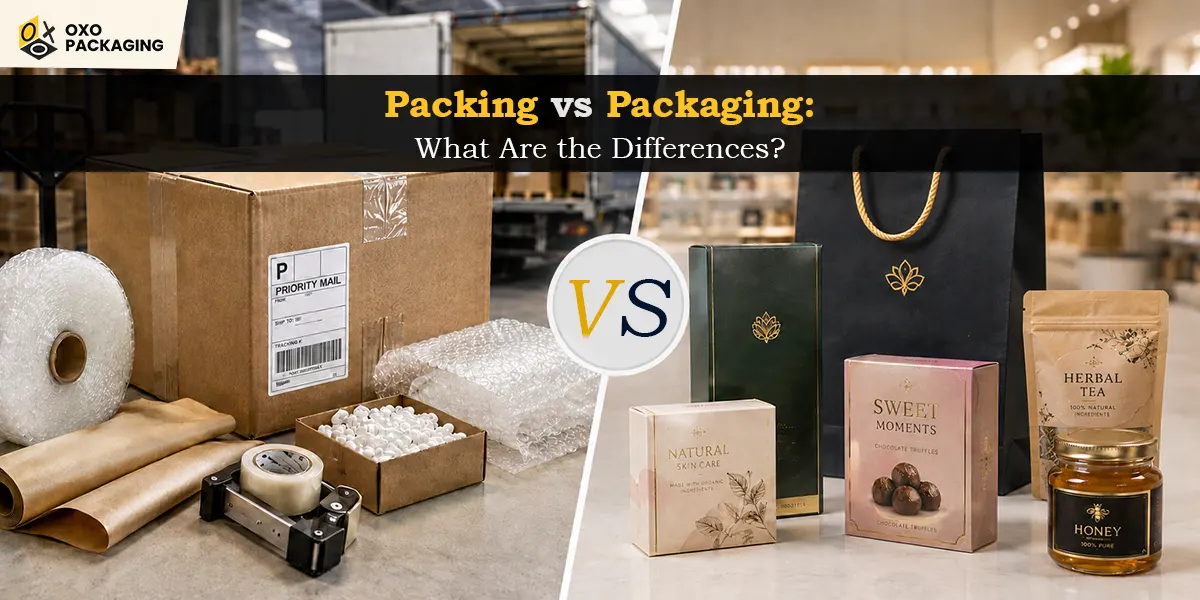
Are you a manufacturer, retail business owner, or supply chain manager? And consider packing and packaging the same? That’s not the case. Although both terms are often used interchangeably, they serve distinct roles in a product's lifecycle.
Understanding the differences between packing and packaging is important for you. Especially if your goal is to cut shipping costs and build a stronger brand image. Would you like to explore how to optimize your current packing materials for shipping? Or how to design better packaging to boost retail sales?
Then, this comprehensive blog on packing vs packaging is for you. Let’s begin!
What is Packaging?
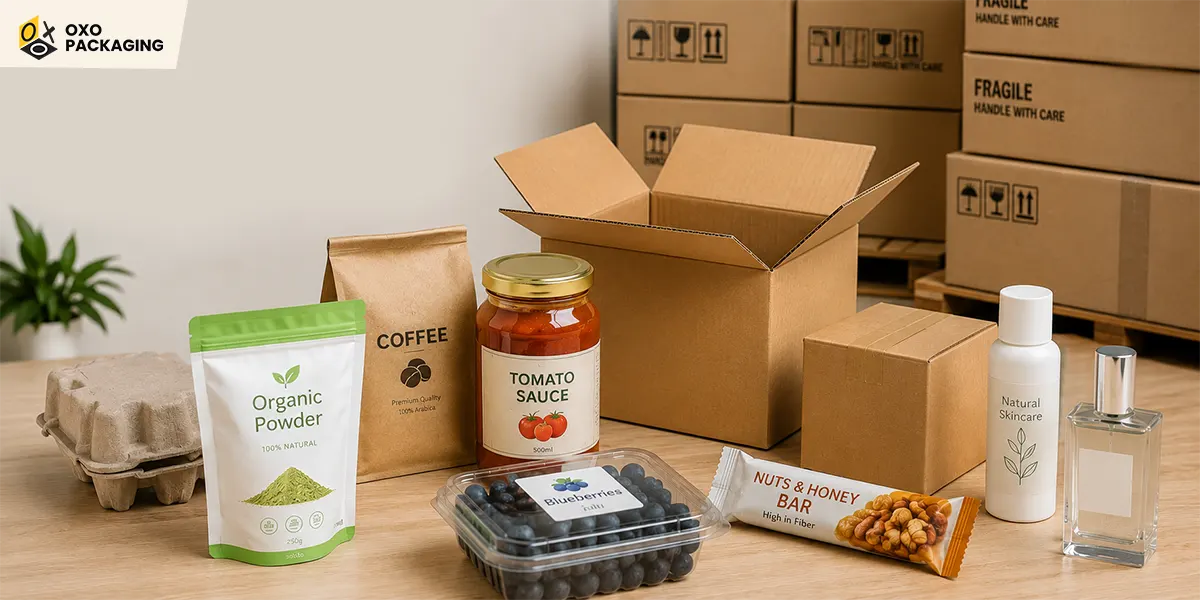
Packaging refers to the science, art, and technology of enclosing or protecting products for distribution, storage, sale, and use. It comprises the materials used to wrap goods. As well as the strategic design and process of preparing a product to safely reach the consumer while communicating brand identity and regulatory information.
Explore 3 Main Types of Packaging
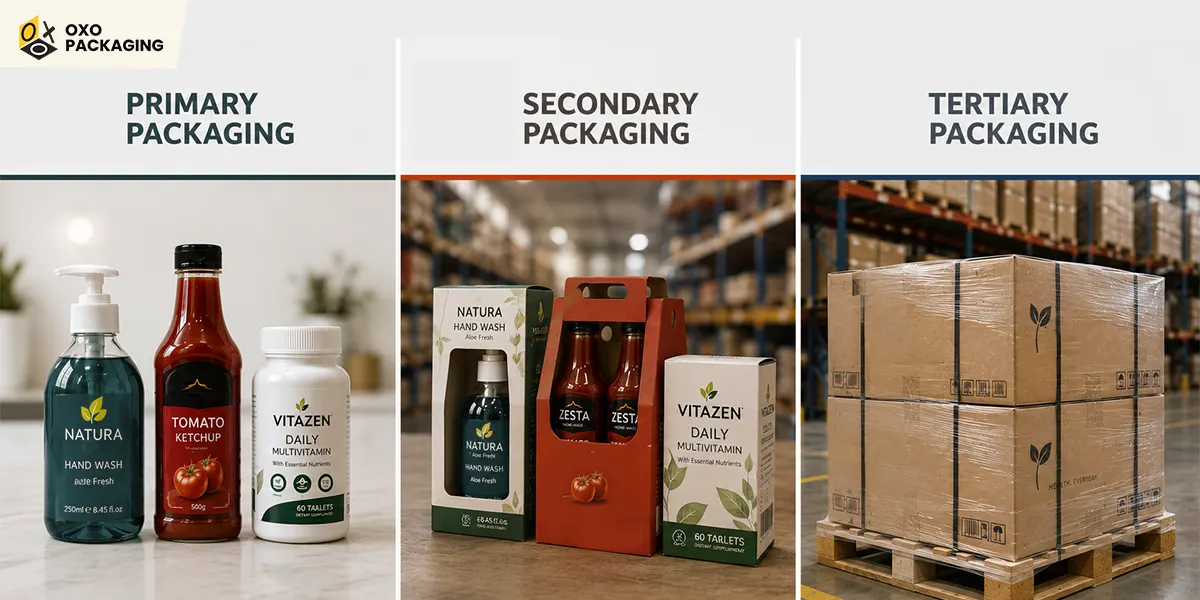
To better understand the function of packaging, it is usually broken down into three specific structural layers. Have a look at them:
-
Primary Packaging
This is the immediate layer that directly touches and holds the product. For example, a toothpaste tube, a soda bottle, or a pill bottle. The main purpose of primary packaging is to protect the product, maintain hygiene, and provide essential usage or ingredient information.
-
Secondary Packaging
This is the layer outside the primary packaging. Secondary packaging is used to group products together, display them on a shelf, or offer extra protection. For example, cardboard boxes containing the toothpaste tube, custom printed boxes enclosing gifts, or a plastic pack holding six soda bottles. This is usually discarded once the consumer opens the product.
-
Tertiary Packaging
This is also known as transportation packaging. End consumers usually don’t see this layer. Tertiary packaging is used for bulk handling, warehousing, and shipping. Its examples include large corrugated boxes, shipping crates, or wooden pallets holding multiple secondary packages.
Popular Examples of Packaging
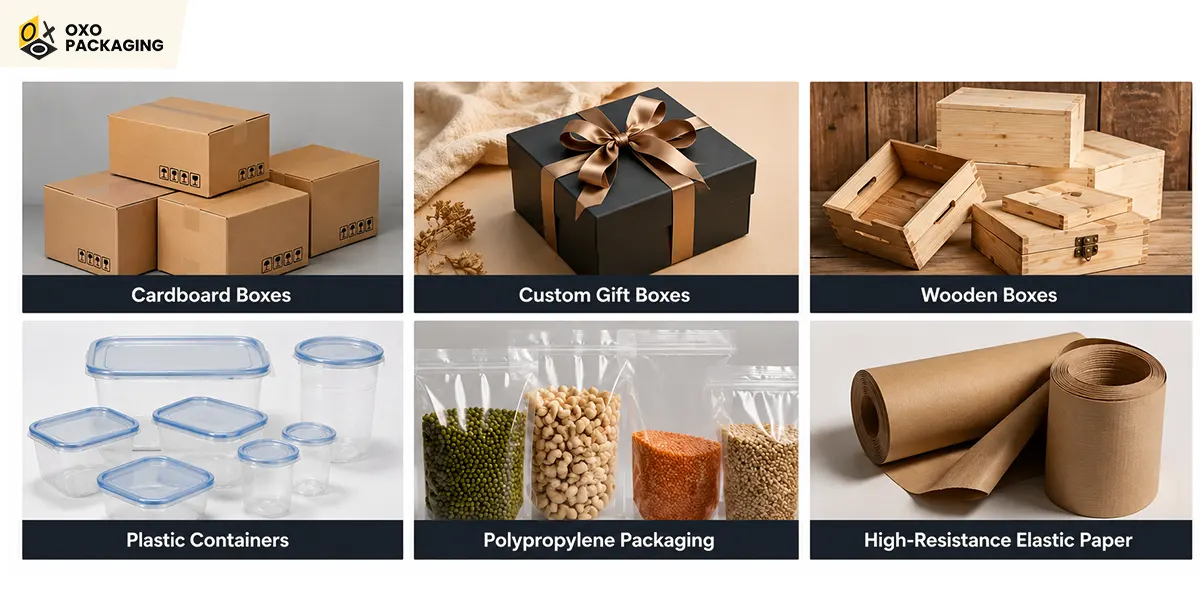
Packaging, therefore, focuses on the protection of the product and the container in order to achieve optimum transport, in which the contents are not damaged. Some of the most common are:
Since the purpose of packaging is to protect, display, and transport products while enhancing user experience, here are its most prime examples:
- Cardboard Boxes
- Custom Gift Boxes
- Wooden Boxes
- Plastic Containers
- Polypropylene Packaging
- High-Resistance Elastic Paper
What is Packing?
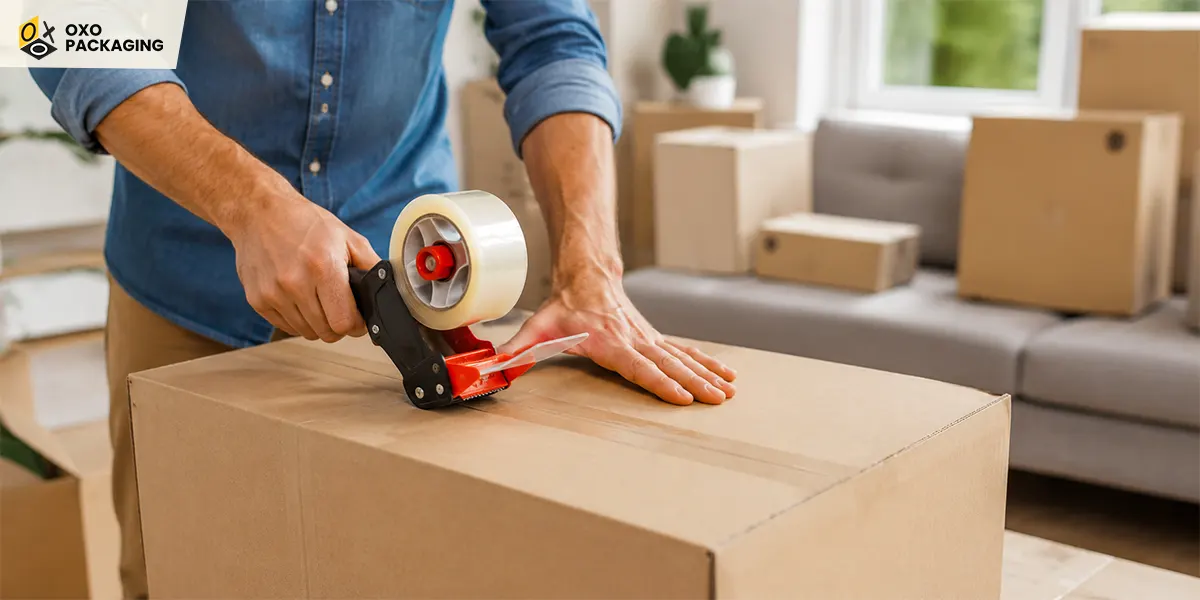
Packing is the process of securely enclosing, wrapping, or organizing items in containers to protect them during storage or transportation. It is heavily used in logistics, travel, and daily life, ensuring belongings or products arrive safely and undamaged.
Explore Popular Types of Packing
Since packing is the action or process of preparing items for transit or storage, here are its most common types. Dive into these types:
-
Cushioning Packing
This utilizes materials like bubble wrap, foam, air pillows, and crumpled paper to absorb shock and vibration during shipping. Cushioning packing prevents fragile items from shifting and protects them from drops or impacts. The ideal choice depends on the item's weight, fragility, and shape.
-
Vacuum Packing
It refers to a method that removes air from inside a plastic pouch or bag before tightly sealing it. This technique eliminates oxygen, greatly slowing down food spoilage and significantly reducing the physical volume of soft items like clothing.
-
Shrink Wrapping
Shrink wrapping is a method where a plastic polymer film is wrapped loosely around an item and then subjected to heat. This heat causes the material to contract and conform tightly to the shape of the product, creating a tamper-resistant, protective seal.
-
Palletizing
It is the industrial process of stacking boxes, bags, or other goods onto a pallet to create a unified, stable load. It is an important logistics step designed to maximize warehouse space, protect products from damage, and increase the speed and efficiency of bulk shipping.
Popular Examples of Packing
Have a look at popular packing examples to understand the clear action of organizing, protecting, and securing items inside a package:
- Bottles
- Containers
- Polypropylene Bag
- Kraft Paper Bag
- Envelope
- Polyethylene Bag
- Protective Plastic
- Pallets
What are The Main Differences Between Packing and Packaging?
While packing ensures safety during shipping, packaging acts as a marketing tool to attract customers and display the product. Consider their notable differences in detail here:
-
Primary Purpose
The sole purpose of packing is to ensure the product survives handling, temperature changes, and movement. It safeguards the goods from point A to point B. However, packaging serves as a potent sales tool. It captures the consumer's attention on the shelf, conveys usage instructions, communicates ingredients, and builds brand loyalty.
-
Materials
Bubble wrap, packing peanuts, pallet wrap, and shipping tape are used in packing. While soda cans, custom display boxes wholesale, glass cosmetic bottles, plastics, and custom-designed cartons are packaging materials.
-
Complexity
Packing is a straightforward, single-use, logistical process focused on protecting items during transit. While packaging is a complex, strategic system that blends branding, marketing, regulations, and supply-chain efficiency.
-
Consumer Interaction
Consumers usually interact with packing only during the unboxing phase. They remove, unfold, and discard materials like peanuts or bubble wrap. But when it comes to packaging, they interact with it before, during, and after a sale. Box elements, such as font style, color psychology, sustainability, and shape, act as persuasion tools that trigger impulse buying.
-
Information Displayed
Packing usually contains the shipping address, handling instructions, and barcodes. While packaging boxes, containers, or bags contain brand logos, ingredients, marketing copy, and imagery that represent visual brand storytelling.
Why Packing and Packaging Both Matter in the Supply Chain?
They both matter because packing and packaging serve complementary roles to ensure products arrive safely and cost-effectively. Proper packing absorbs shock, prevents shifting, and protects fragile items from the vibrations and impacts of transportation.
On the other hand, packaging involves designing the actual container, which drives brand value and supply chain efficiency. Well-designed boxes and containers also maximize storage space in trucks and on pallets. This directly reduces shipping costs by ensuring you are not paying to “ship air.”
When to Choose Packing vs Packaging?
Put simply, if your goal is brand presentation or an attractive retail display of a product, opt for packaging. But if you aim to optimize the logistical activity of preparing goods for storage, transit, or shipping using protective materials, opt for packing.
Let OXO Packaging know whether you need a packaging or packing solution, and we will help you achieve your goals.
Choosing between packing and packaging strategies comes down to your primary goal. The former is about protection and logistics, while the latter focuses on marketing and presentation.
Bubble wrap, crumpled kraft paper, foam peanuts, and inflatable air pillows are used in packing. However, cardboard, rigid boxes, plastic containers, and glass bottles are packaging materials.
Package packaging is primarily broken down into three physical levels. Each layer serves a specific purpose, from protecting the physical product to grouping multiple items for transit.
No. Packing refers to the physical process of securing and placing items into containers for transport, but packaging refers to the design, material, and branding of the container itself.







 Let's Call