


Key Trends in Tuck Box Packaging for 2026 Brands Should Know
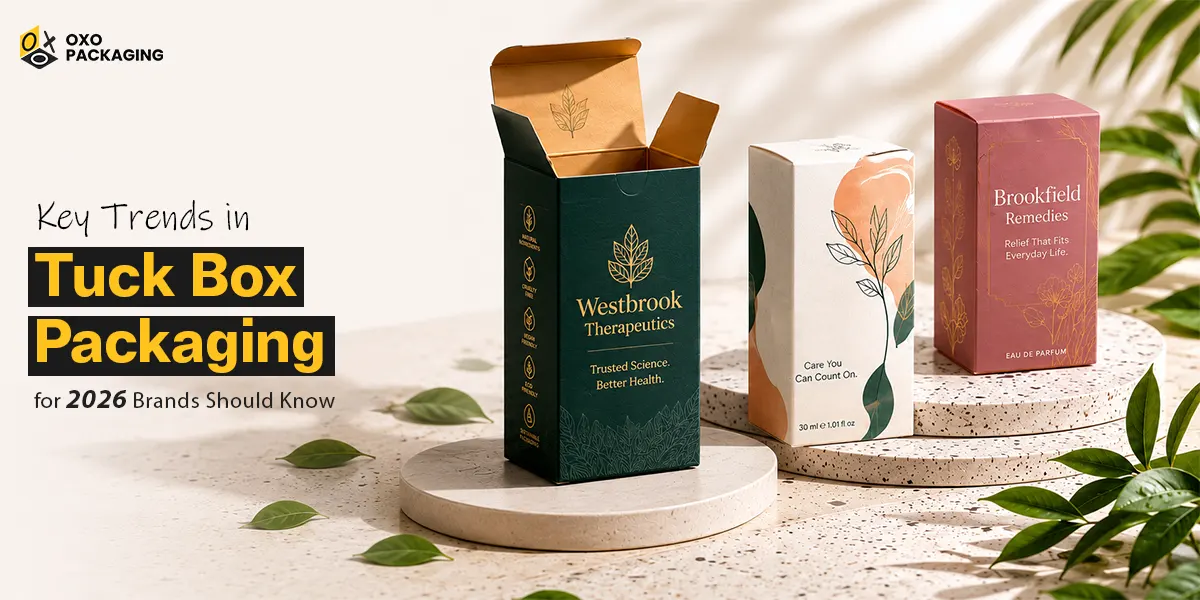
Since the late 19th century, tuck boxes have been a priority for businesses. Their ability to efficiently pack, store, and ship gives them a competitive edge. Over time, the tuck boxes have evolved from purely functional storage into vibrant marketing and branding tools.
Leverage tuck box packaging as a powerful marketing tool and stay relevant in the modern retail and e-commerce world. Wondering how? Dive into major trends in tuck box packaging for 2026 to grab buyer attention in crowded markets. Let’s begin:
Why Does Tuck Box Packaging Still Make Sense?
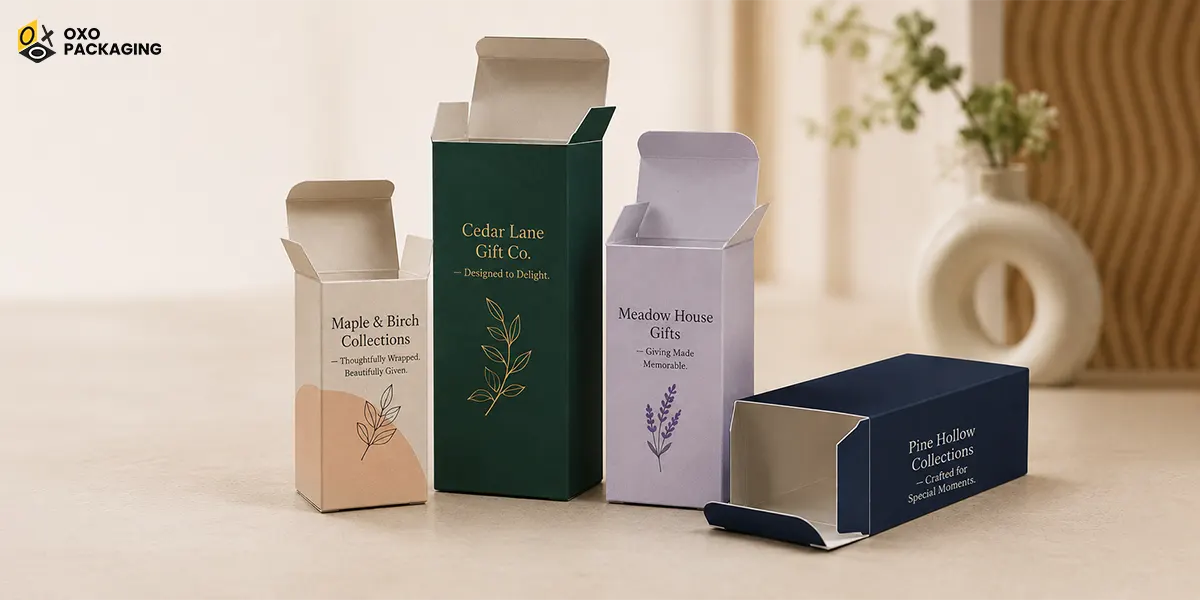
Before diving right into trends in tuck box packaging for 2026, know whether they are even worth exploring. The answer is yes, because tuck boxes hit the perfect sweet spot between affordability, functionality, and visual appeal.
That’s why both businesses and customers prefer to use folding carton packaging. Following this rising demand for tuck boxes, the market is expected to grow at a CAGR of 6.1% by 2035. Whether you are in the retail, pharmaceutical, or cosmetics industries, using these boxes brings you versatile benefits.
Having a clean, customized, and easy-to-open unboxing experience for everyday consumer products, tuck boxes help you reduce logistics costs significantly.
Explore Key Trends in Tuck Box Packaging for 2026
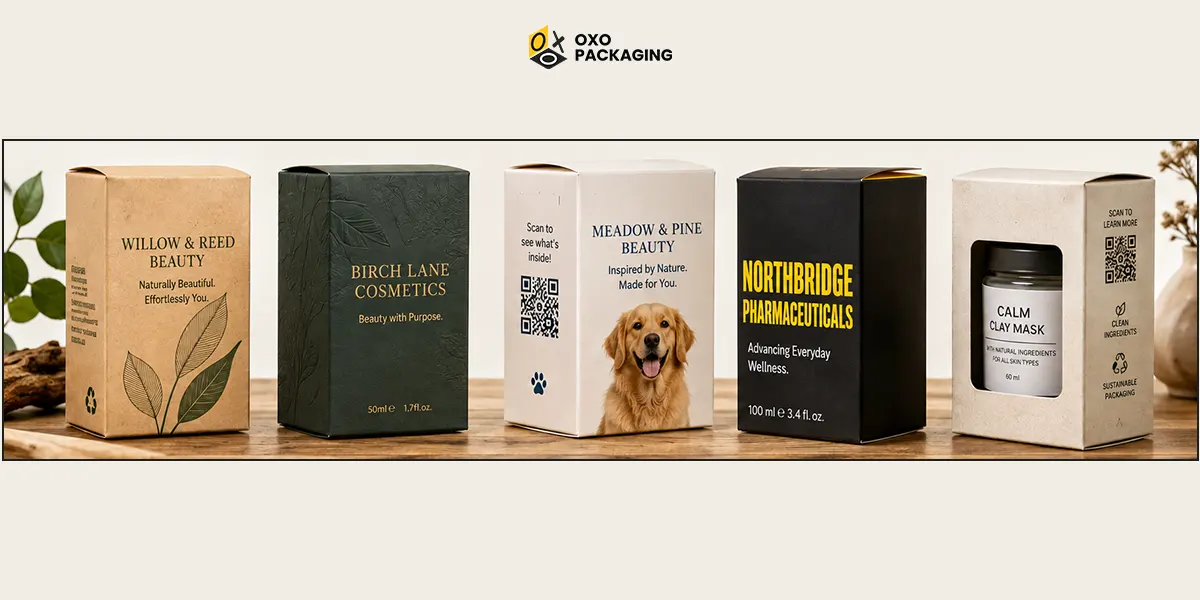
Since you have explored the significance of tuck boxes, now it’s time to navigate through the major trends in tuck box packaging for 2026:
-
Sustainable and Eco-Friendly Materials
Tuck boxes are trending because they use less paperboard. That ultimately reduces shipping weight and optimizes freight costs. But sustainability regulations are tightening, such as the Extended Producer Responsibility (EPR) Laws.
It means you can no longer rely on vague “eco-friendly” marketing labels. You must abandon the use of mixed materials in favor of single-material folding cartons, making tuck boxes entirely recyclable and compliant with modulated Extended Producer Responsibility (EPR) fees.
Forward-thinking brands are also using upcycled fibers, algae-based inks, and soy-based coatings for eco-conscious tuck boxes. They don’t leach harmful chemicals like traditional coatings.
Take Patagonia as an example that uses heavy-duty, 100% recycled fiberboard that is fully compostable. Their retail tuck boxes often contain a raw, tactile brown Kraft finish. They also eliminate plastic laminates entirely and use structural locks and folds instead of adhesives. This mono-material strategy makes the box exceptionally easy to recycle curbside.
-
Tactile Finishes and Customization
In a market saturated with generic visuals, smart brands are relying on structural differentiation and touch to stand out. You can also do the same and cut the market noise by leveraging sensory packaging.
Tactile finishes like soft-touch coatings, embossing/debossing, and foil stamping make standard tuck boxes feel much more premium and influence customer purchase decisions. For example, high-gloss finishes are fading in favor of soft-touch coatings, and matte textures subconsciously signal premium quality without appearing overly flashy.
On the other hand, tuck boxes highlight subtle structural design elements like micro-embossing and foil stamping over loud, oversized logos. You can also customize tuck boxes with natural color palettes, earthy tones, raw kraft, and forest greens to dominate the cosmetics and lifestyle sectors.
Deuces, Luxury Cosmetic brand, utilizes a secure reverse-tuck structure alongside a velvety soft-touch base and intricate gold foil stamping. This sharp contrast between the smooth matte packaging and the raised, metallic sheen of the foil stamping successfully shifts consumer perception from basic to elite.
-
Digital Printing Flexibility for Short-Run
Gone are the days when you need expensive setup plates and long wait times associated with traditional methods like offset printing. Nowadays, brands are embracing the flexibility of digital printing.
Digitally printed tuck boxes reduce waste, lower warehousing costs, and frequently update designs for seasonal promotions. Digital flexibility allows brands to design specific tuck box packaging for holidays, influencer collaborations, or limited-time events. In turn, it creates a sense of exclusivity and urgency that drives sales.
Take inspiration from Sundays for Dogs, a Pet Care brand. They needed to create an exclusive, highly memorable unboxing experience for an influencer marketing campaign without breaking the budget on large-scale packaging runs.
The brand partnered with Oliver Inc. to produce custom folding cartons for direct distribution to over 400 celebrities. And used variable data digital printing to personalize each individual's box, replacing the brand name “Sundays for Dogs” with customized names like “Sundays for Baxter,” alongside personalized images of their dogs.
The result? The highly customized approach by Sundays for Dogs generated significant organic social media buzz and deeper consumer affection.
-
Minimalist Yet Bold Branding Design Aesthetics
Modern consumers often associate understated, clean designs with high quality, luxury, and self-assurance. A minimalist tuck box reflects that your product is high-quality enough to speak for itself without needing overly loud sales copy.
Following this, you should incorporate “minimalist yet bold” branding on tuck boxes to cut through visual clutter. This aesthetic grabs attention by replacing complex graphics with strong focal points. Simple but boldly designed tuck boxes naturally drive stronger customer recall and higher perceived value.
To master this aesthetic on custom tuck top and end boxes, use a deeply muted, neutral base like stark white, matte black, or raw unbleached kraft paper with one shockingly vibrant, saturated accent color.
When graphics are scarce, typography becomes your primary visual anchor. Use a massive, oversized, sans-serif or bold geometric font for the brand name. Shrink all secondary product information to small, highly legible, cleanly aligned text placed at the bottom edge or the back flap of the tuck box to keep the primary facing unobstructed.
Keep in mind to strike the perfect balance between minimal space and bold text or high-quality finishes like foil stamping. Doing so not only makes for a highly aesthetic unboxing experience but also drives organic social sharing and visual virality.
-
Transparent and Sustainable Packaging Demands
Over 65% of consumers report preferring brands with credible, sustainable packaging credentials. So, leveraging materials like recycled Kraft paper or FSC-certified cardboard proves your brand's commitment to the environment.
At the same time, die-cut or transparent sections integrated into tuck boxes allow consumers to view the product before purchasing. They build immediate customer confidence and intrigue. However, modern transparency goes beyond just seeing the product.
Brands are now utilizing packaging designs that prominently feature QR codes. They link consumers to details about sourcing, ethical manufacturing, and disposal instructions.
Why is OXO Packaging the Right Partner for 2026?
OXO Packaging is the right partner for tuck box packaging in 2026 because we perfectly align with current industry trends. We combine eco-friendly materials, premium customization options, and cost-effective, low-minimum-order production capabilities that modern retail and e-commerce brands like yours need.







 Let's Call